
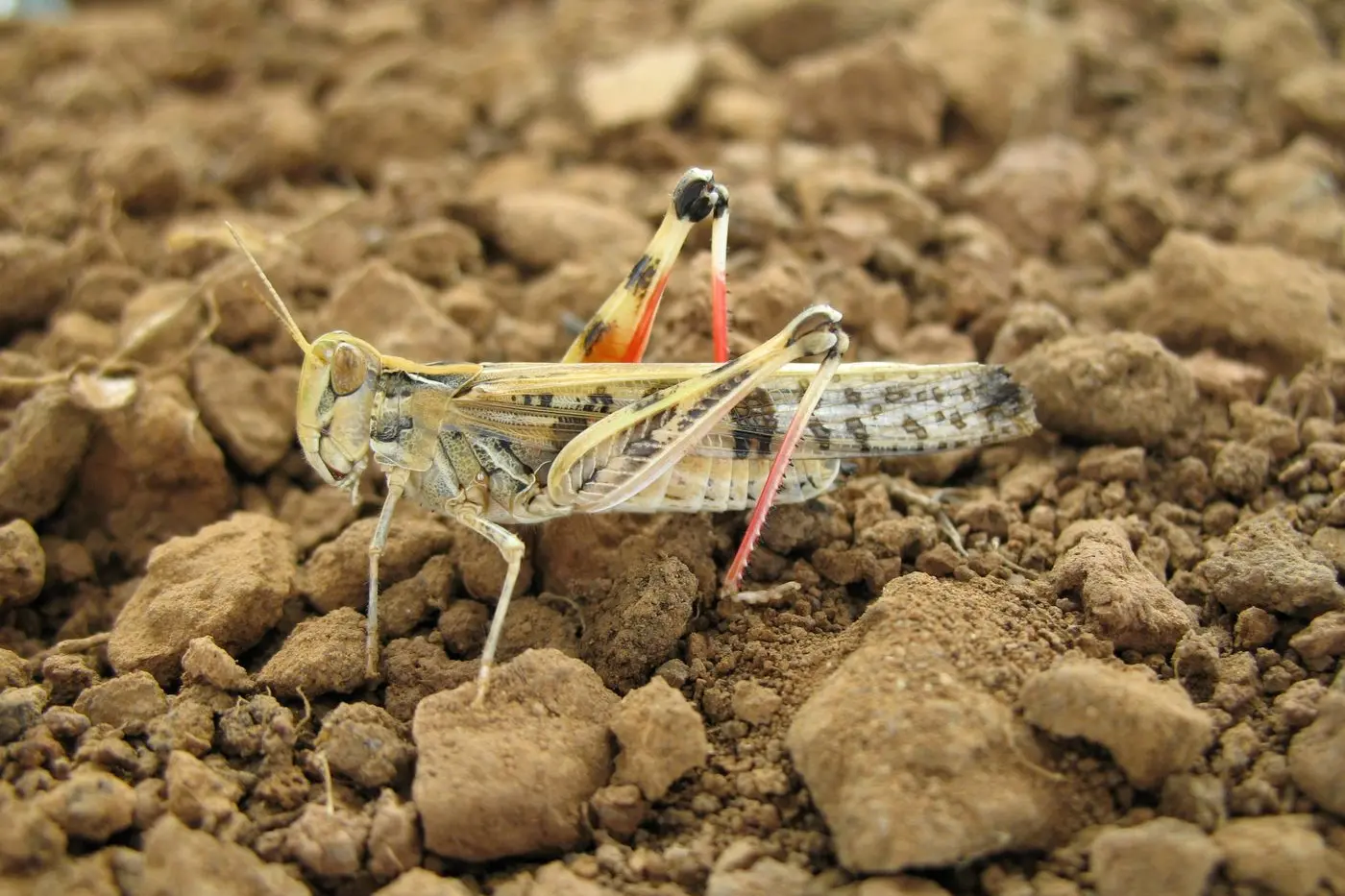
PHOTO
They’re one of the famous seven plagues that Egypt suffered in the Old Testament, and in-town locals, not just landholders, are being asked to keep an eye out for them.
Local Land Services is urging everyone in the central west to remain vigilant for signs of plague locusts following recent activity across parts of NSW.
NSW Locust Commissioner, Andrew Mulligan, said early reporting of suspected locust activity was the best way to help protect agriculture against the threat.
“We are starting to see locusts in parts of Central Tablelands, Central West, North-West, and Western Local Land Services regions,” Mr Mulligan said.
“Remaining vigilant is the key for landholders as reports made can help inform the management decisions we make now and into the future.”
Mr Mulligan said there were several key signs landholders should look for to ensure they were quick to respond.
“Adult plague locusts like to lay eggs in harder, loamy red soils, with compact roads next to crops, tree lines, contour banks and farm buildings prime areas,” he said.
“Signs of locusts include a series of small holes in the ground, damage to vegetation, nymphs bouncing on the ground and hearing the buzzing noise they make.”