
PHOTO
As the cost of living continues to rise, many women are rethinking not only how they spend their money, but how they spend their time.
For mothers balancing paid work, household responsibilities and caring for children, flexibility has become less of a luxury and more of a necessity.
In regional communities like Gulgong and Mudgee, some women are finding new ways to manage those competing demands through community-based models that offer both financial support and social connection.
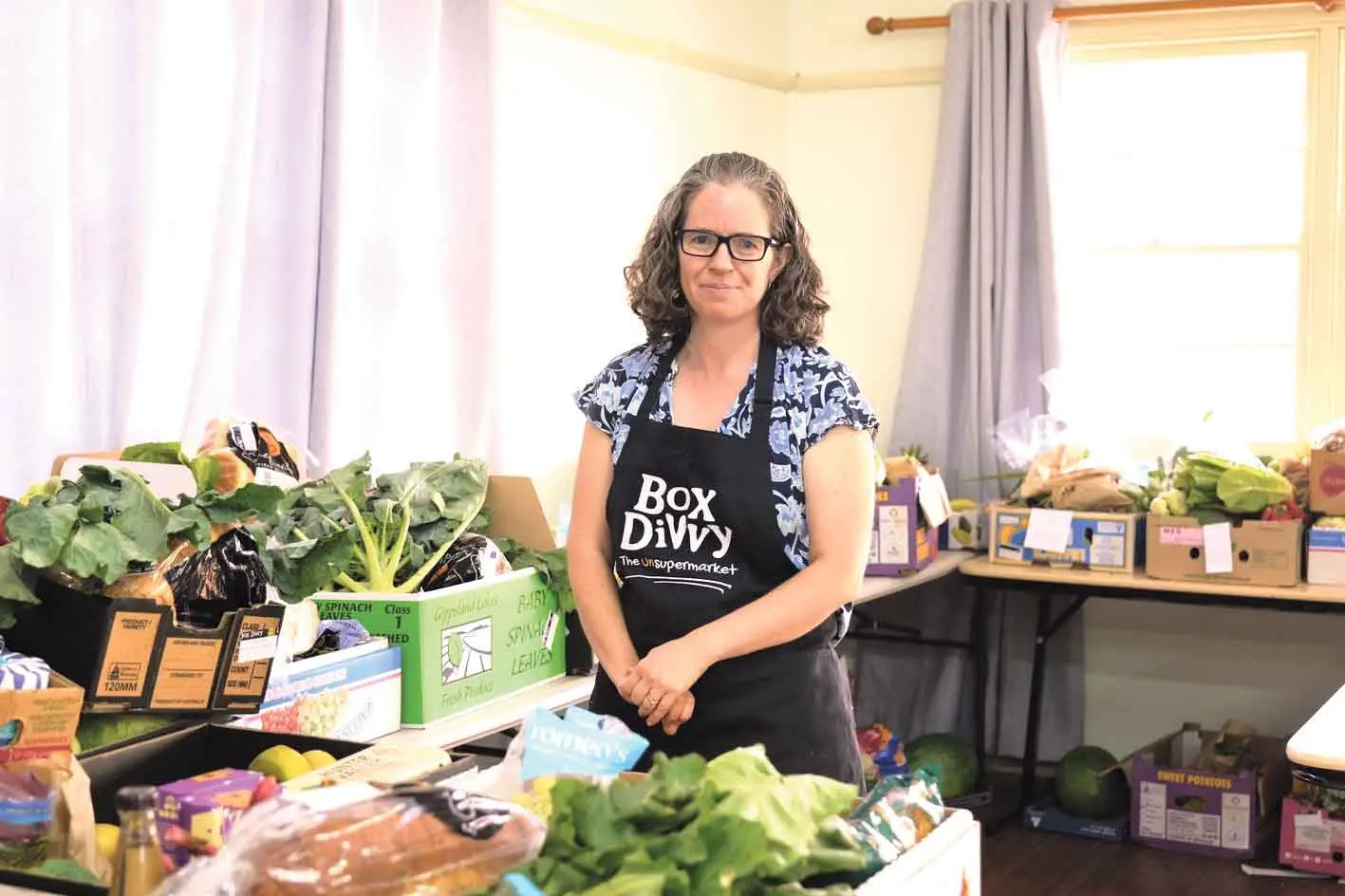
One of those women is Julie-ann Kleu, who runs a Box Divvy Hub in Gulgong. What began as a practical solution to rising grocery bills has become a flexible income stream, a community network, and a way of life for Julie-ann and her family.
“With four children at home, food is a huge and ongoing expense,” Julie-ann said.
“I saw Box Divvy and thought, ‘I could do that.’”
Julie-ann first became involved with Box Divvy about five years ago while living in Wollongong. After moving to Mudgee, she found access to fresh, affordable food options more limited than in the city. Even after relocating, the family continued purchasing Box Divvy groceries while her husband travelled back and forth to Wollongong.
In 2022, Julie-ann launched a local Box Divvy Hub in Mudgee. Today there are two Box Divvy Hubs operating in Mudgee, another two in Gulgong and one in Dunedoo, each capable of supporting up to 60 households.
The concept is simple. Members place weekly online grocery orders by Wednesday night, choosing from fresh fruit and vegetables, eggs, chilled meats and dairy, pantry staples and bakery products. Produce is packed at the Box Divvy warehouse before being transported by pallet truck each Friday to Dunedoo, Gulgong and Mudgee.
The Box Divvy “Hubster” in each town then sorts the boxes into individual household orders. The system allows families to order only what they need, reducing waste while offering greater transparency around food sourcing and pricing.
“It’s kind of ‘un-supermarketing’,” Julie-ann said.
“It’s super fresh, super easy and you only order what you need.”
Most of Julie-ann’s household food now comes through the network, significantly reducing grocery costs while changing the way the family shops and eats. At the same time, running a Hub provides additional income that fits around homeschooling her four children, aged between seven and 14.
“The opportunity to add income while still working from home and being present with the kids has been really important,” she said.
“The kids learn so much from it too – where food comes from, ingredients, talking with people and helping in the community.”
Julie-ann’s children regularly assist with packing and weekly distributions, turning the business into a shared family activity.
For many women, the appeal of Box Divvy lies in its flexibility. Hubsters coordinate orders and deliveries during set periods each week, allowing the work to fit around existing responsibilities rather than compete with them. There is also a social element that has become increasingly valuable, particularly for women who spend much of their time at home caring for children or managing households.
“Community involvement is a big part of it,” Julie-ann said.
“You get to know people and help others at the same time.”
That sense of connection became especially important during COVID, when food access and local support networks became critical for many households.
According to Box Divvy co-founder Jayne Travers-Drapes, the model’s combination of affordability, flexibility and community is why it continues to grow.
“We are really proud that many of our Hubsters are women who are looking for flexible ways to contribute financially while staying connected to their families and their communities,” she said.
“For some, it is extra income. For others, it is about having something of their own while still being present for everything else. Often it is both.”
Box Divvy now operates more than 360 local Hubs across NSW and the ACT and has recently expanded into Victoria. The community-run food co-op is free to join, with no membership fees or lock-in commitments. Hubsters earn a percentage of weekly orders while helping local families access affordable, nutritious food sourced largely from Australian suppliers.
“There’s often this idea that work, family and community are all separate things competing for your time,” she said.
“But models like this show they can actually work together.”
With growing interest across regional NSW, including calls for a future Hubster in Dubbo, Box Divvy’s expansion suggests many families are searching for exactly that balance – affordable food, flexible income and stronger community connection.