
PHOTO
Regional communities are set to benefit from better services and improved roads and infrastructure, as the NSW Government rolls out civil construction training to upskill around 1300 new council apprentices and trainees across the state through its Fresh Start program.
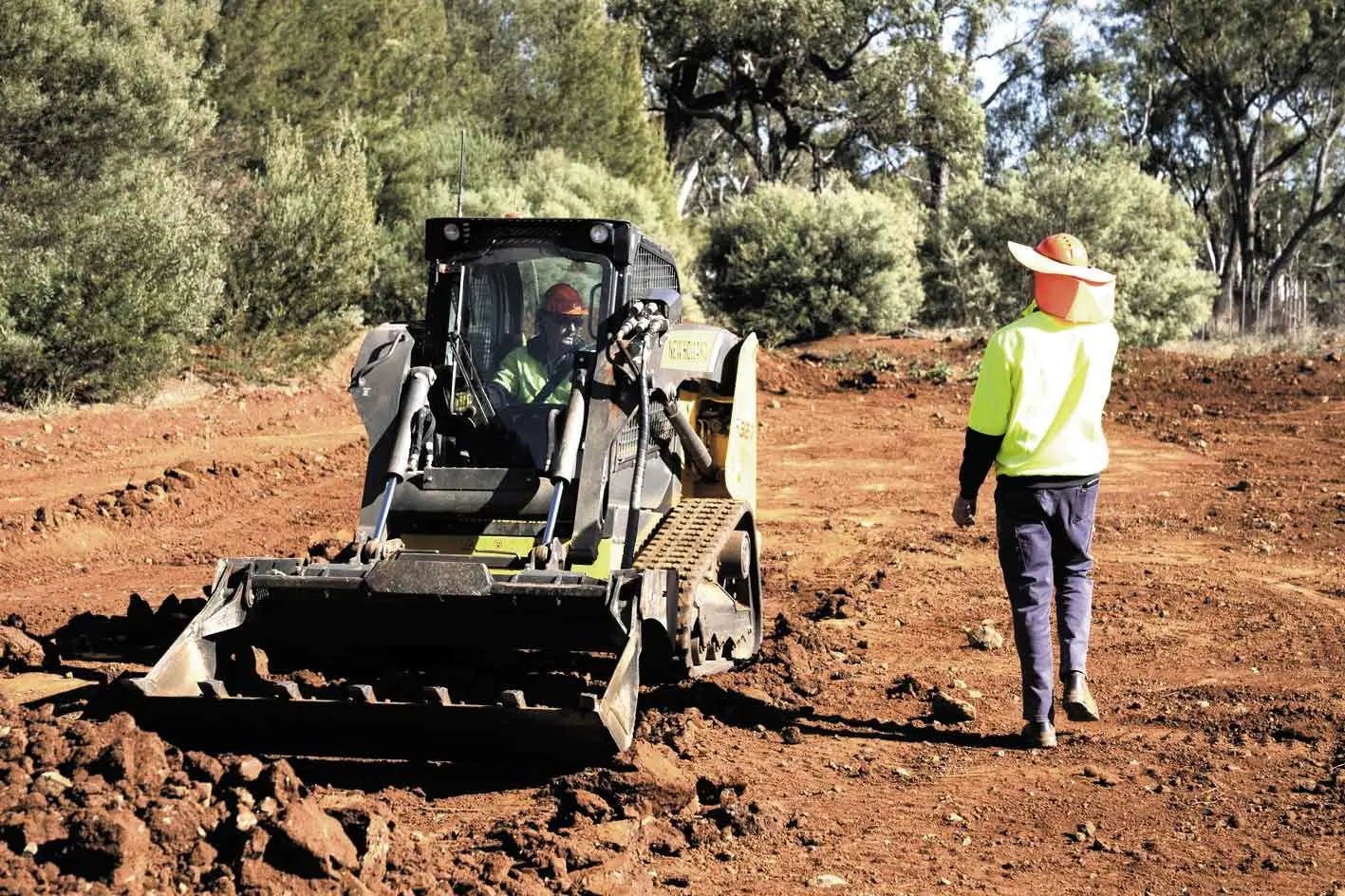
Locally, some 60 workers from seven Central West, Western and North West NSW councils will upskill in major plant machinery critical to council infrastructure maintenance, including skid steers, excavators, backhoes, tractors, graders, and rollers.
The councils involved in the training include Bathurst Regional Council, Dubbo City Council, Orange City Council, Oberon Council, Cabonne Shire Council, Narromine Shire Council, and Tenterfield Shire Council.
Delivered by TAFE NSW, the training will help councils reduce reliance on external contractors, minimising the need for outsourcing instead building local capability and improving the delivery of infrastructure for more communities. It will expand the skillset of council workforces and provide more opportunities for stable, rewarding careers for workers in local government close to home.
Since January 2025, the NSW Government’s $252.2 million Fresh Start Program has delivered a critical workforce injection to the local government sector, setting up a pipeline of skilled workers for the future giving councils the building blocks they need to succeed.
Minister for Local Government, Ron Hoenig said the investment will help regional and rural councils secure the skilled workforce they need for the future.
“We’re investing in local government capability – stronger skills, stronger councils, and better outcomes for regional communities.
“We’re backing regional councils to build their own workforce so they’re not forced to rely on expensive outsourcing to get the job done.
"This is practical reform – more skills, less outsourcing, and better value for ratepayers,” Minister Hoenig said.
Minister for Skills, TAFE and Tertiary Education, Steve Whan, added that building a pipeline of skilled local government workers would in turn build more resilient communities across rural and regional NSW.