
PHOTO
Rising costs and falling income: budget struggle
With the NSW Country Mayors Association (CMA) of NSW holding a critical meeting this month to address the “bleak” financial situation across regional, rural, and remote councils, we asked some of our representatives about the upcoming budget, the draft of which is currently out for public comment.
Mayor Josh Black said the situation for bush councils is exactly as described by the CMA NSW.
“When you look at it going forward, it is going to be increasingly difficult to keep up with asset renewal for things like toilet blocks, new playgrounds that need renewal, because nothing lasts forever,” His Honour said.
“At the current rating level and cost of doing business, it will be very difficult to maintain services and infrastructure, with things like PVC pipes up 30 per cent and bitumen up 30–50 per cent,” he added.
Local government, he explained, also does not get any of the windfalls from higher inflation, fuel prices, property prices, and bracket creep for income earners, as enjoyed by state and federal governments.
“We get no relief with no way to increase our income, our IPART rate peg for this financial year is three per cent, well, our wages alone increased four per cent.
“In simple terms, we’ve just got to learn to do less with the money we’ve got,” he concluded.
Keeping spending under tabs is the key to council’s budget in these tough times, Cr Lukas Butler believes.
“The current situation means we will have less things done for the same buck; the most important thing, I would suggest, is to be fiscally responsible.
“We should be focussing on the old ‘rates, roads, and rubbish’ thing, on providing the essential services for our communities,” he added.
The landscaping and maintenance business owner said people simply do not have much disposable income at the moment, something council itself should keep in mind.
“Some of the proposed projects are maybe not that fiscally-responsible at a time like this; we don’t want to have too many capital works going during a downturn,” Cr Butler said.
“We don’t want to be too expansive at the moment, with maybe one or two projects that should be put on hold,” he concluded.
Feedback on the draft budget plan is essential for council to know what projects local residents and ratepayers want funded, Cr Shibli Chowdhury believes.
“We really want people to put a submission in; a hypothetical village might want a barbecue in their park, so put it in writing for your community,” he said.
“While our main priorities are roads, rubbish, and rates, at the end of the day, we try to deliver a budget for what we can do for the residents, but we can’t fit everything in,” he added.
Like Mayor Black, Cr Chowdhury is concerned about how council will continue to be able to keep services up at a time when rates are capped, but costs aren’t.
“The main thing is we need to have capital projects and to also renew old assets, our city has grown so fast, but do we have the money for things like expanding the area of the tip?”
“We are being squeezed for services and also our capped income, but how can we reduce our costs, while maximising the return to the community, that’s the difficult part,” he concluded.
Informing residents about the work that council does and the city’s financial plight is key to ratepayers understanding the current situation, Cr Pam Wells believes.
“We’ve got to keep people engaged and let them know what is happening, that is vital; my view is that when you can’t afford it, you can’t afford it, and we should keep people apprised about these things,” Cr Wells said.
“I think we’ve had discussions about things like the fuel price impact and our current storage, which I believe is pretty good, but we have to let people know,” she added.
She said that with less money to go around, maintaining current assets should take top priority over new works.
“I would agree with Cr Chowdhury, we have to preserve what we already have as a first priority,” Cr Wells said.
“While I don’t have a financial background, in the end though, give me a budget, and I’ll tell you how to spend it,” she concluded.
Future viability of our local government area is also an issue of concern for Cr Richard Ivey, who believes being open and honest with ratepayers, is essential.
“I think we’ve gotta look long-term when we look at the budget, our rates are pegged at three per cent and our staff wages just went-up four per cent; our costs are also rising, not just petroleum-based products like fuel and bitumen, but also steel and concrete,” Cr Ivey opined.
“Ratepayers aren’t probably aware of this, but we should be absolutely honest with them about our current situation,” he added.
He said that the financial crisis facing local government is coming to a head and, while one-off funding from state and federal authorities can help, they also create an asset burden that council is left to carry.
“Just say we get a grant, that’s good, for say, a new barbecue, we put it in, and then we have to pay the maintenance costs for the life of that facility,” Cr Ivey said.
“The long-term effect accumulates and are going to accelerate over the next five or six years; it’s a serious problem, a looming crisis,” he concluded.
•••
Comment on 2026/2027 spending plans
Council’s draft 2026/2027 spending plan is on public exhibition, with locals urged to have their say.
“Our focus over the next 12 months is on delivering essential services and the renewal of key assets in Dubbo, Wellington and our villages,” Cr Josh Black said.
Proposed facility upgrades and renewals include repairs to the roof at the Western Plains Cultural Centre, upgrades to the Dubbo Regional Livestock Markets and renewal of the grandstand seating at Apex Oval.
A number of recreational structures are also proposed to be renewed or installed in the coming 12 months including the Wise Park Amenities block in Geurie, Mumbil Playground, Regand Park North Picnic Area and a new shade sail and soft fall for Lunar Park in Dubbo.
Submissions close on June 1.
•••
Lions Park closed to major events for rehab
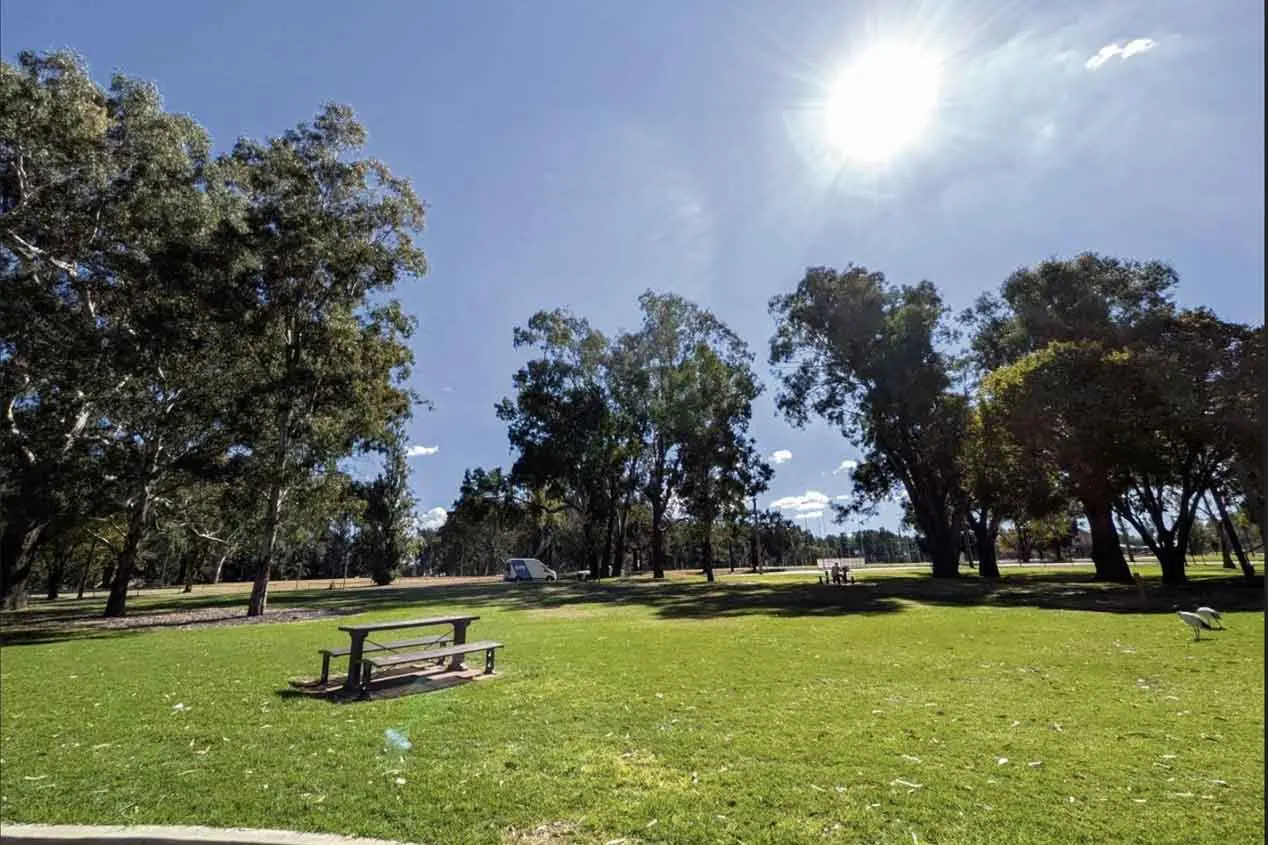
Closed to help local flora rehabilitate, Macquarie Lions Park in Bligh Street is undergoing staged River Red Gum rejuvenation work to prevent the further decline of tree root health. To book an alternative venue, go to the “Book a Space” site: dubbo.nsw.gov.au