
PHOTO
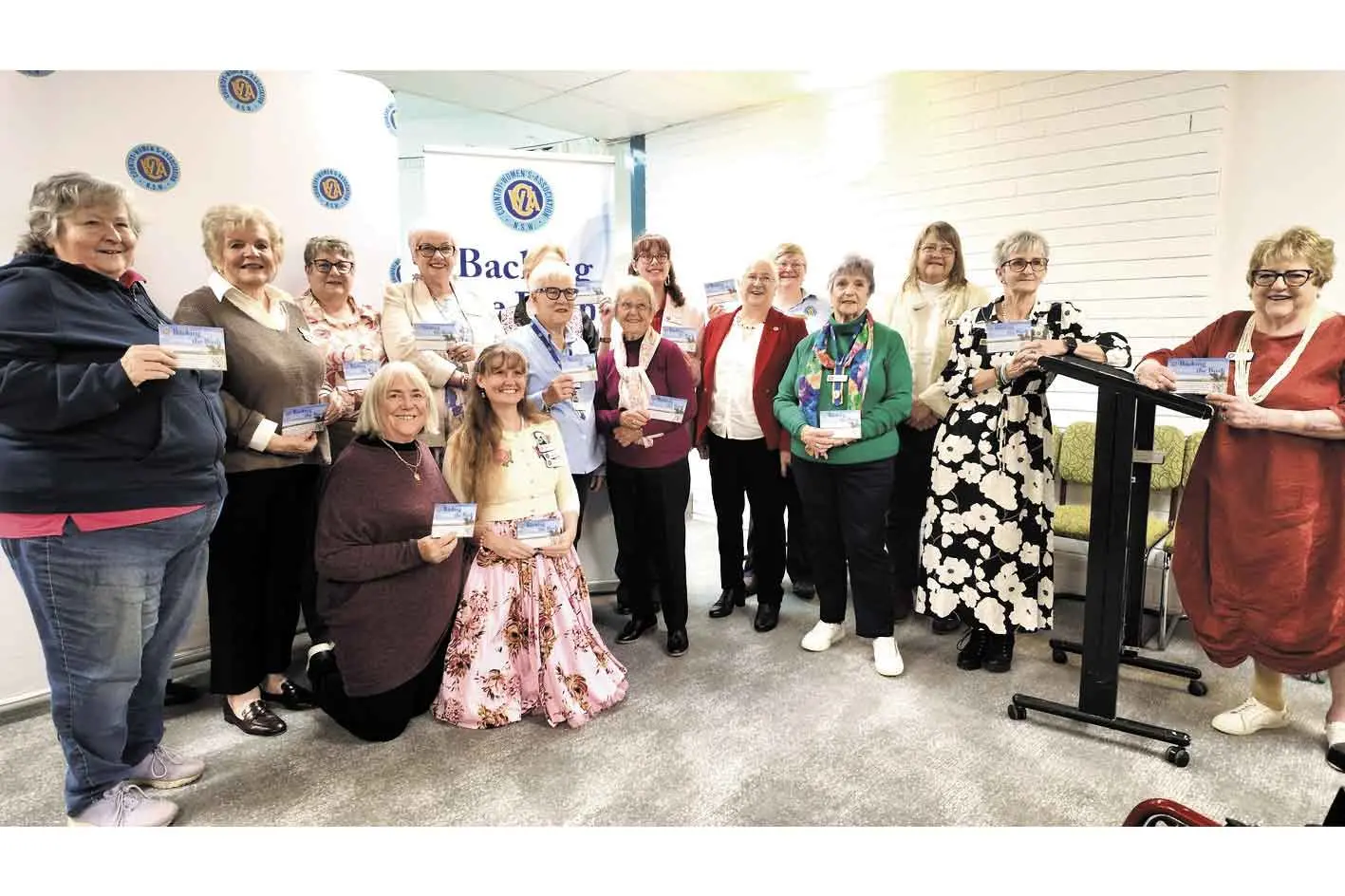
The Country Women's Association (CWA) of NSW launched its Backing the Bush campaign on the first day of the 2026 National Bush Summit in Dubbo, calling on all political parties to commit to practical action that will strengthen regional, rural and remote communities ahead of the March 2027 NSW election.
While not actually participating on any of the panels in the National Bush Summit, which was held from August 26-27, CWA of NSW State President Tanya Jolly used the timing of the two-day talkfest to press home the century-old organisation’s concerns to put the needs of regional communities firmly on the election agenda as NSW heads to the polls next March.
“For more than 100 years, the CWA has been backing the bush, 104 years to be exact. That is exactly what we are doing. We back the bush,” she said.
"Regional NSW is not asking for special treatment. We're asking for fair treatment,” Ms Jolly added.
“The people who live, work and raise families in the bush deserve access to the same opportunities, essential services and quality of life as anyone else in NSW,” she added.
The Backing the Bush campaign outlines six key priorities that CWA members say are critical to the future of country NSW – healthcare; community safety; infrastructure; food and fibre security; community wellbeing; and ensuring bush communities have a stronger voice in government decision-making.
• Health & Care – improving access to healthcare, strengthening rural hospitals and health services, supporting aged care, the Royal Flying Doctor Service and initiatives that deliver better care closer to home.
• Safe Communities – addressing domestic and family violence, improving road safety, upgrading rail crossings and strengthening emergency preparedness.
• Infrastructure – investing in roads, telecommunications, housing, childcare, transport, workforce development and the essential infrastructure regional communities rely on every day.
• Food & Fibre Security – protecting productive agricultural land, supporting biosecurity, water security, drought resilience and balanced planning that safeguards Australia's food-producing regions.
• Community Wellbeing – reducing social isolation, supporting volunteers and strengthening the community organisations that help regional towns thrive.
• Bush Voices – ensuring the lived experiences of regional communities are reflected in government policy and decision-making.
Ms Jolly said while each priority was important in its own right, together they painted a picture of what was needed to build stronger regional communities.
"These issues are all connected. Healthcare depends on good roads and reliable telecommunications. Communities need housing and childcare to attract workers. Farmers need secure water and strong biosecurity to continue producing the food and fibre that benefits every household in NSW,” she explained.
Macquarie Home Stay (MHS) Managing Director Rod Crowfoot also spoke at the launch. He said the non-profit MHS exists because too many people are forced to leave home to receive specialist care.
"Every week we welcome people who have travelled hundreds of kilometres for cancer treatment, surgery, specialist appointments or to support a loved one in hospital,” he said.
“For many families, the journey is stressful enough without having to worry about where they'll stay or how they'll afford it. Where travel is unavoidable, patients need practical support that reduces the financial and emotional burden on families,” he added, calling for a review of the NSW Government’s Isolated Patients Travel and Accommodation Assistance Scheme (IPTAAS).
“The scheme has no process for review and subsidies paid, and this is critical as the subsidy benefits are eroding over time due to cost of living expenses,” Mr Crowfoot said.
He suggested following a program promoted by Wagga Wagga MP Dr Joe McGirr.
“The action plan is a roadmap for turning things around, not with big infrastructure, without a realistic price tag, but simple, common sense reforms that put people first and redirect funds to be more effective,” Mr Crowfoot added.
The CWA of NSW says Backing the Bush is a reminder that decisions affecting regional NSW have consequences for the entire state, and for the CWA, the important question is "what happens after the talking stops?”
"When governments invest in regional communities, the benefits don't stop at the town boundary. Strong regional communities underpin our economy, food security, resilience and prosperity,” Ms Jolly said.
"Our members know what works because they live it every day. We're inviting every political party to listen to those voices and commit to policies that will make regional NSW stronger for generations to come,” Ms Jolly concluded.