
PHOTO
With one in three Australian adults living with untreated tooth decay and more than two million Australians having skipped dental care because they could not afford it, the Australian Dental Association NSW Branch (ADA NSW) has called for regional and rural communities to be at the heart of Australia’s new National Oral Health Plan, warning that where Australians live should not determine their ability to access timely dental care.
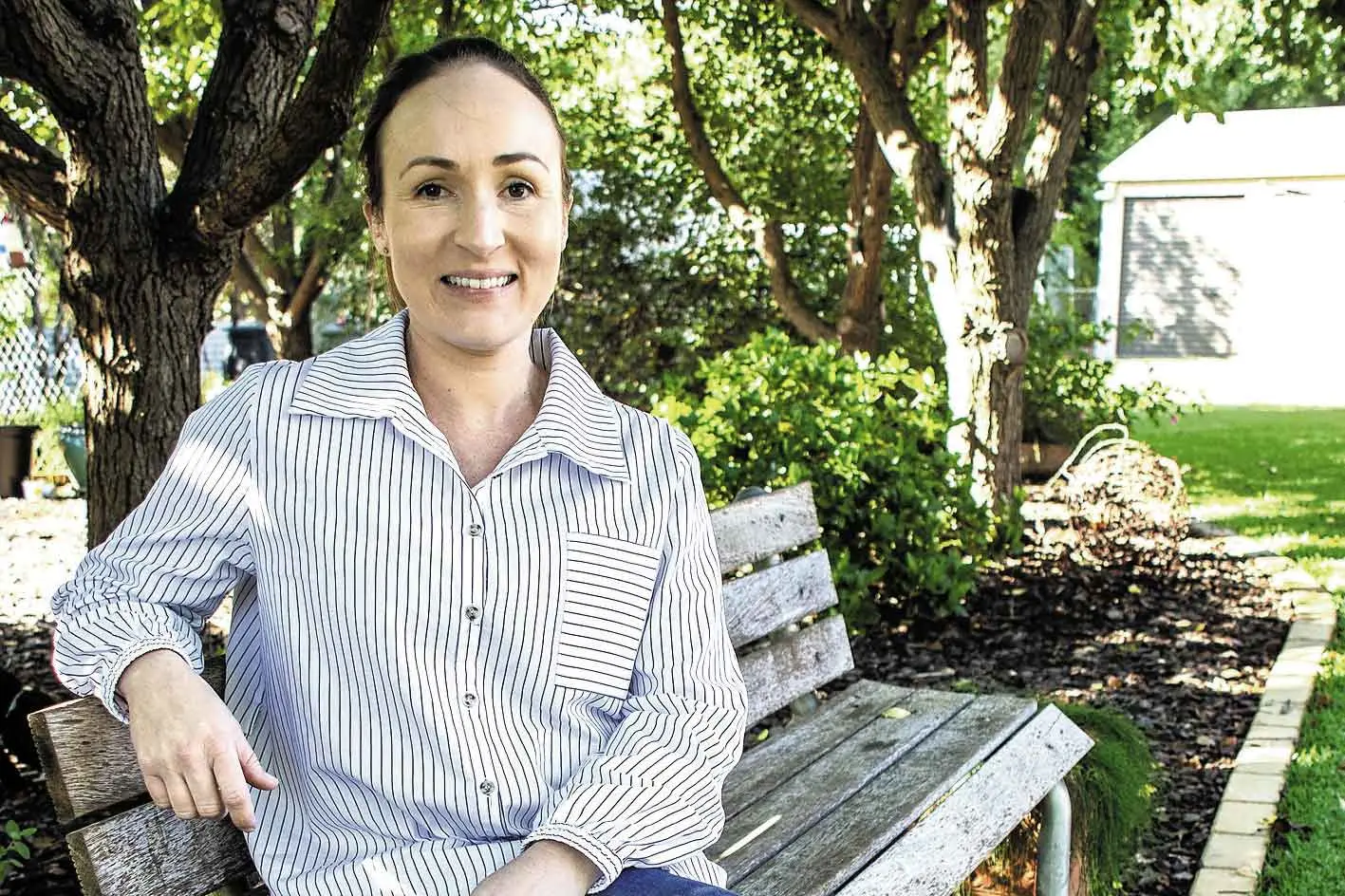
Dubbo dentist and ADA NSW vice-president, Dr Sophie Halpin, said regional communities needed to see the Federal Government’s commitment to a new National Oral Health Plan translated into practical, funded action.
“Regional Australians are resilient, but resilience should never be used as an excuse for accepting unequal access to healthcare,” Dr Halpin said.
“As dentists, we see what happens when people delay dental care. A small problem that could have been treated relatively simply can become painful, complex and much more expensive.
“In regional communities, cost can be just one barrier. A dental appointment may also mean travelling a significant distance, taking time off work, finding childcare and paying for fuel,” she said.
“When those barriers start adding up, preventive dental care can fall down the priority list until someone is in pain and can no longer put treatment off,” she added.
Western NSW Local Health District (WNSWLHD) figures highlight the significant demand for public dental services across the region. In 2024–25 almost 30,000 patients attended WNSWLHD public dental clinics, while its Dental Contact Centre managed more than 55,000 calls and the district spent $4.7 million for patients to receive treatment through private dental clinics.
Permanent public dental clinics in the vast WNSWLHD footprint are located at Bathurst, Cowra (for children), Dubbo, Forbes, Mudgee, Orange and Parkes. Outreach and mobile dental services support other communities.
Dr Halpin said the figures demonstrated why regional access needed to be considered in national oral health policy.
“Prevention is better for patients, but it is also smarter health policy. When preventable dental problems become emergencies, the cost and pressure can shift to other parts of our health system.”
At the Health Ministers Meeting on September 4, Ministers discussed progress on the National Oral Health Plan and agreed to establish a National Oral Health and Dental Reform Senior Officials Group to progress dental health reform as a national priority.
The announcement builds on the ADA's "Dentist on the Hill" event in Canberra recently, where the Hon. Rebecca White MP, Assistant Minister for Health and Aged Care, announced that the National Oral Health Plan would begin in 2026.
"This is a significant moment for oral health in Australia," said Dr Chris Sanzaro, ADA President.
"For too long, dental has sat outside the national health reform conversation, even though it's one of the most common reasons people avoid care because of cost. The establishment of this Senior Officials Group shows Government is finally treating dental as the national priority it should be, and the ADA will be at the table making sure the plan delivers real change."
The ADA has long advocated for the National Oral Health Plan, designed to run from 2026 to 2035, and will continue to work with Government as it progresses through the Senior Officials Group. The ADA continues to call for the Plan to be released and funded in full, including measures to reduce Australia’s oral health burden and to address equity and access for priority populations.
The National Oral Health Plan must also address key workforce issues including maldistribution, specialist training pathways and recruitment and retention of public dentists, the ADA concluded.