
PHOTO
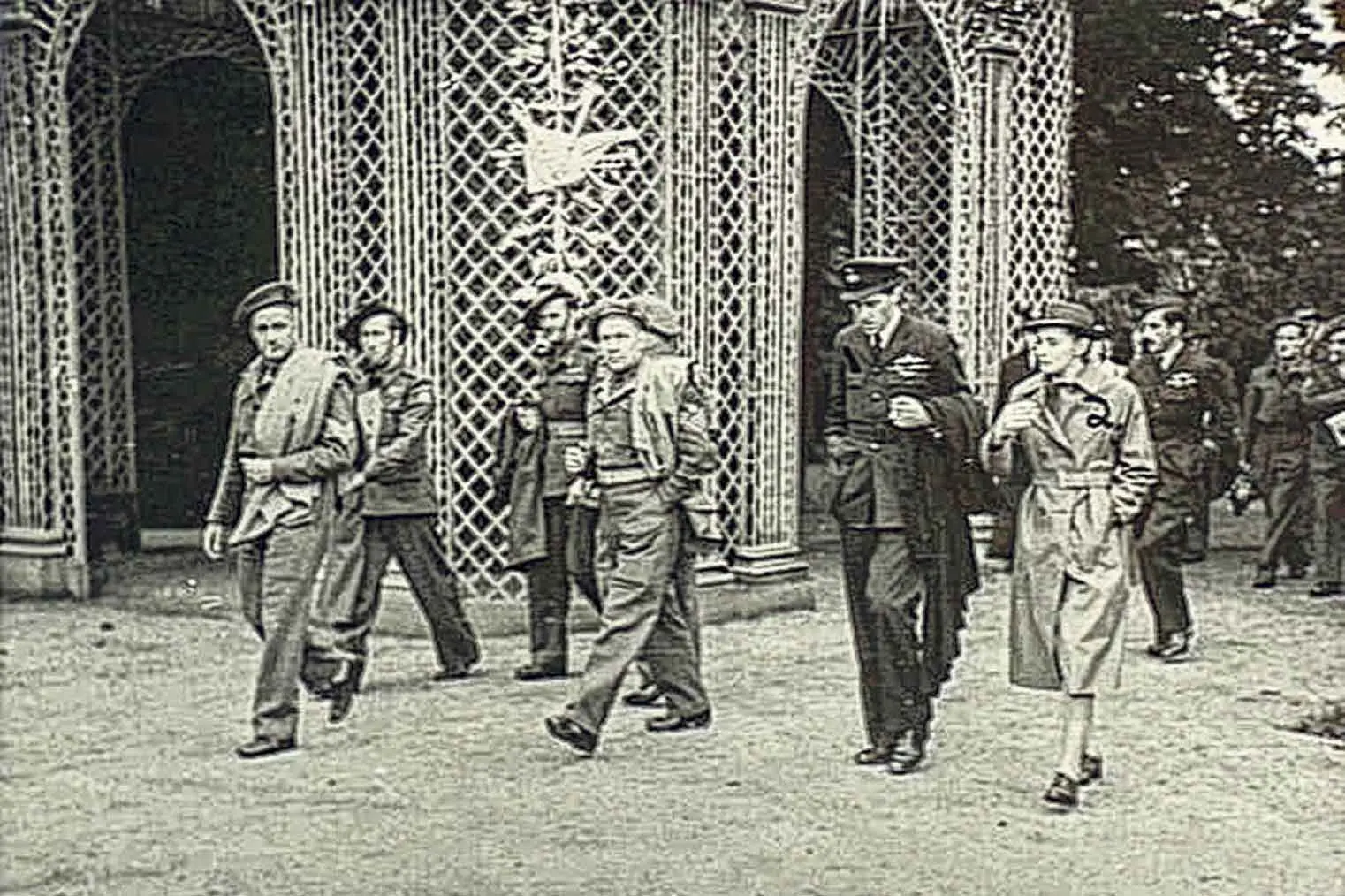
Exhausted but unbowed after leading the Empire in the six-year struggle to free the world from fascism, Britain held a “Victory Parade” in London in 1946 that was attended by one of Dubbo’s most decorated women volunteers in the war.
Now, 80 years after this unique one-off celebration, local historian Patrick Bourke recently forwarded a first-hand account of this event by former Dubbo High School Captain and Dux, Joan Christie.
“An Australian contingent of 250 World War II servicemen and women was selected for this Victory Parade,” Patrick told Dubbo Photo News.
“Major Joan Christie — who later became Mrs Joan Flint OAM — was an ex-student of Dubbo High School, and was selected to be a part of the Australian contingent,” he added.
It was no fluke, he revealed, that she was among the contingent of only 250 military personnel invited to the parade, out of a million Australians who served in various roles during the war.
“Mrs Flint wrote about her experiences associated with the London Victory Parade, with her report published in the 1967 ‘Bindyite’, the Dubbo High School yearbook," said Mr Bourke. "Her first-hand account of her journey to Britain recalls a time when Australia — as with most Commonwealth countries — was still suffering huge material, financial, and resource shortages due to the deprivations of total war, with the trip undertaken on a still-commissioned warship.
“We travelled there and back in the cruiser HMAS Shropshire, going via Cape Town (South Africa) where we marched and were feted for two days,” Major Christie wrote. “The ship’s crew treated the contingent well, (especially the servicewomen! — in spite of the some difficulties by having women on a warship, such as where to hang our washing; there was an attempt to use a line slung between two of the ship’s eight-inch guns, but the captain disapproved!)
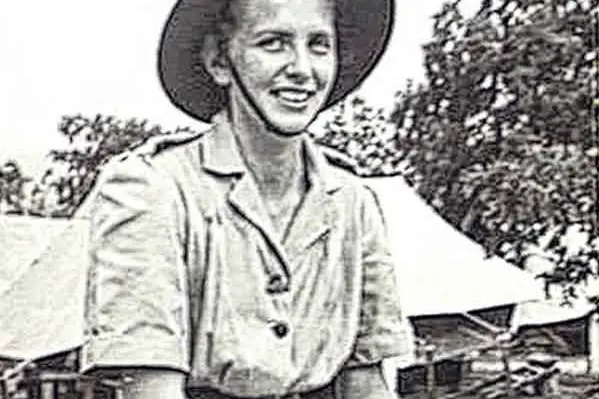
“We had three VCs (Victoria Cross winners) with us (how I wish my friend and fellow DHS ex-student, Rawdon Middleton VC could have been there) and many others with lots of well-earned decorations.
“Then the day came. We marched eight miles through the streets of London, 21,000 troops in all, led by Field Marshall Montgomery through literally millions of cheering British people.
“London was bedecked with flags and decorations and, as we came down the mall towards Buckingham Palace, we passed the saluting base and there stood Their Majesties, the King and Queen, with nearly all members of the Royal family, and Winston Churchill.
“There was a spectacular fly-past by RAF and the USAF and, at night, a magnificent fireworks display centred over the Thames which was watched by the Royal family from their barge.
“After the march, there were many entertainments arranged for us, one was at Hampton Court Palace from which I returned to our quarters in Chelsea in the back of a truck with some of the Fijian contingent and they sang all the way. It was great fun.
“A small group of us went to the Continent including West Germany and Berlin, where the rubble of bomb damage was still lying about, the people still living in air raid shelters and all were hungry. How futile war is!
“We then had a couple of weeks leave and became scattered throughout the United Kingdom and then finally rejoined the Shropshire for our voyage home with some most interesting days at Gibraltar, Malta, Port Said, and in Ceylon (Sri Lanka).
“We marched in Perth, Adelaide, and Melbourne, and terminated our trip with that most moving experience of coming home through the Heads as the sun was rising to a joyful reception in Sydney Harbour.”