
PHOTO
Did you know that behind every Royal Flying Doctor Service (RFDS) flight is another team whose work is just as critical?
RFDS aviation engineers help ensure aircraft remain safe, reliable and ready to respond whenever they are needed. Their work may happen behind hangar doors, but it plays an essential role in connecting remote communities with healthcare.
Aircraft maintenance requires planning and adaptability. Engineers balance ongoing training, strict safety standards and operational demands, all while helping ensure aircraft remain available to support patients and crews.
The profession also provides opportunities for people to build highly skilled careers in regional Australia.
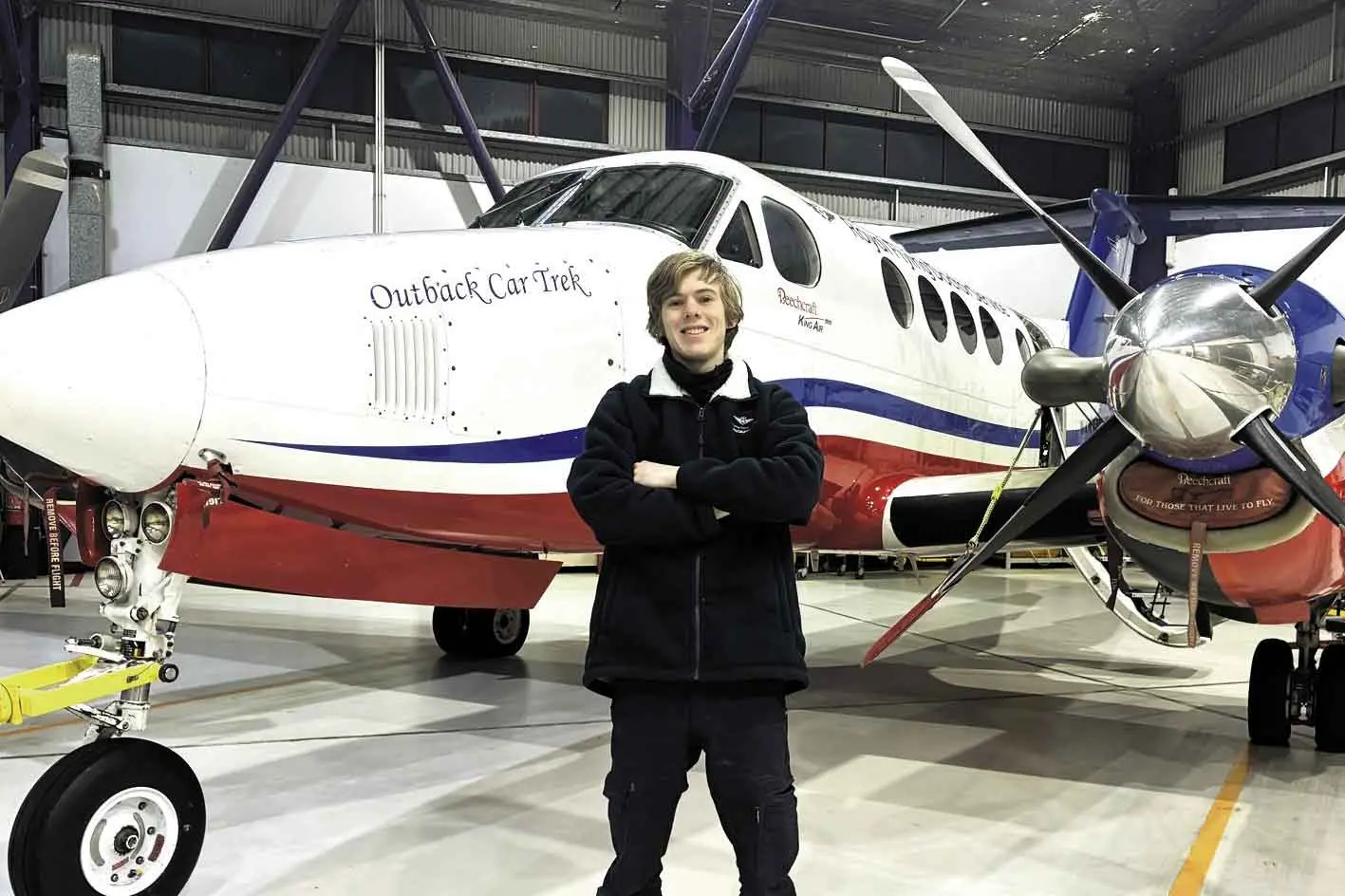
For Dubbo-based Apprentice Aircraft Maintenance Engineer (AAME) Harry Gresham, an RFDS apprenticeship provided a pathway into aviation without needing to leave home.
Originally receiving an offer to study that required him to move, Harry soon learned that engineering apprenticeships through the RFDS were a possible alternative foot in the door to aviation engineering and eagerly applied. Starting in early 2023 at the Dubbo base as an AAME, he can’t imagine working anywhere else.
Harry completed his TAFE qualifications while gaining practical experience working on operational aircraft.
The apprenticeship model allows trainees to learn from experienced engineers while working on aircraft that support communities across regional Australia. It also helps keep valuable skills, training opportunities and jobs in regional towns.
"It's a really good pathway for someone wanting to get started in aviation engineering," Harry said.
For communities that can often struggle to attract specialist workers, creating pathways for local people to develop technical careers close to home benefits both the workforce and the regions they serve.
“I have not actually worked in a large city, and to be honest I hope I never have to,” Harry added.
The work itself is varied. Aircraft undergo regular maintenance and inspections throughout the year, including comprehensive 200-hour inspections that help ensure systems and structures continue performing as intended.
Harry often compares the process to something most people already understand.
“It’s the equivalent of your car’s oil change between major services.”
There is, however, much more to the work than that, as planes cannot pull over mid-flight for checks.
Every 400 flight hours a detailed examination is conducted on all aircraft. Dismantled to a bare shell, inspections are then carried out to identify cracks, corrosion and general wear and tear. The repairs are completed in-house, with the aircraft being tested before returning to service.
While some tasks may seem routine, they are vital to maintaining a fleet that communities rely on every day.
Engineers may spend one day completing scheduled maintenance and inspections and the next replacing tyres, updating avionics systems or carrying out major maintenance activities. No two days are ever quite the same.
With Engineering Week occurring earlier this month (August 3-9), the RFDS engineering team is a reminder that some of the country's most important engineering work happens far from the major cities. By maintaining aircraft, developing future engineers and creating skilled careers in regional communities, they help ensure healthcare can reach people wherever they live.