
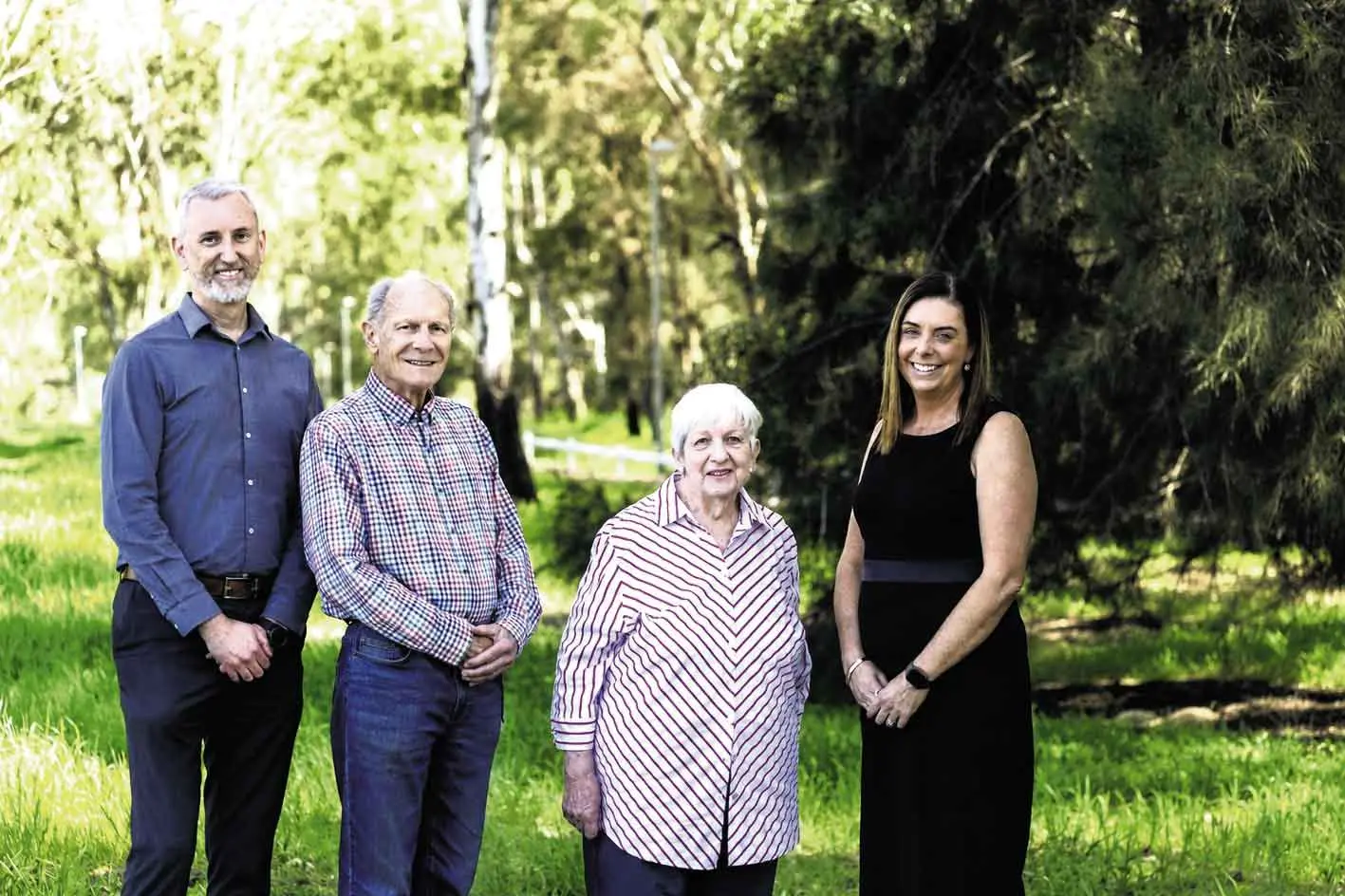
PHOTO
Women, families and vulnerable people across Western NSW have been left behind after Western NSW Community Legal Centre (WNSWCLC), and its crucial program Western Women's Legal Support (WWLS), were unsuccessful in securing additional funding through the NSW Government's distribution of “National Access to Justice Partnership” uplift funding.
The decision comes more than a year after additional funding for community legal centres was announced.
Two of Western NSW's frontline legal services will receive no funding uplift, despite escalating demand and repeated calls for greater investment in regional legal assistance.
The outcome is particularly concerning for regional communities where increasing cost of living pressures, domestic and family violence, housing insecurity, financial hardship and the ongoing impacts of natural disasters are driving unprecedented demand for free legal services.
The NSW Government's recent commitment to strengthening specialist domestic and family violence programs is welcomed by WNSWCLC and WWLS. However, those investments do not include specialist legal assistance services such as WWLS, despite legal support being a critical component of a victim-survivor's pathway to safety and recovery.
Rachael Robertson, principal solicitor WWLS, said the decision was a missed opportunity to address growing unmet legal need across Western NSW.
"Any investment in domestic and family violence responses is positive and should be applauded, however, victim-survivors need more than referral pathways,” she said.
“They need access to lawyers who can help them obtain protection orders, resolve family law matters, secure safe housing and navigate complex legal systems.
"Funding programs that identify and refer women experiencing violence without adequately funding the legal services that assist them creates a significant gap in the response system," Ms Robertson added.
WNSWCLC also missed out on funding to recruit staff to undertake important work building health justice partnerships with Aboriginal Controlled Health Organisations (ACHO) across its region, as well as providing legal support to vulnerable people dealing with social security problems, such as challenging Centrelink debts or being underpaid.
Patrick O’Callaghan, principal solicitor WNSWCLC, said there is a strong relationship between poor health and legal problems.
“GPs are often the first place people will disclose having a legal problem, and it can manifest with negative health concerns around stress and poor mental wellbeing,” he said.
“Aboriginal and Torres Strait Islander people have shorter life expectancy, and we want to help close that gap.
“It takes significant resources to reach communities across our region so we can work with ACHOs to provide free legal help in a safe and supportive way,” he added.
He also commented on lack of funding to help vulnerable people navigate social security law.
“So many people, for reasons beyond their control, rely on Centrelink supports to get by: people living with disabilities, older people, women experiencing family and domestic abuse, people experiencing homelessness and people in remote areas, just to name a few, rely on these payments,” Mr O’Callaghan said.
“It is a complex area of law and people find themselves in situations where payments stop or they are told they owe large sums of money to the government.
“They deserve legal help to make sure the system gets it right. We don’t need another Robodebt situation occurring.”
WNSWCLC and WWLS are calling on the NSW Government to reconsider investment in regional legal assistance services and ensure communities across Western NSW are not left behind.