
PHOTO
Wherever you choose to create it, a playroom should be a space where children can learn, create, move, explore and grow. But design experts say some common mistakes can limit how well the space works for both kids and parents.
Interior designers say practicality should always come first when creating a playroom. While many families want the space to look stylish, furniture and materials need to be durable and easy to clean.
A playroom needs sturdy, easy-to-clean furniture, particularly when young children are using paints, markers and craft materials. Safety should also be a priority, with parents encouraged to choose items with rounded corners and stable shelving to reduce the risk of injury.
The Australian Competition and Consumer Commission (ACCC) has previously urged parents to ensure furniture is properly secured, particularly tall shelving units that could topple if climbed on.
Another common mistake is filling the room with too many toys. While it may seem appealing to provide endless options, experts say children benefit from open spaces that encourage creativity and imaginative play.
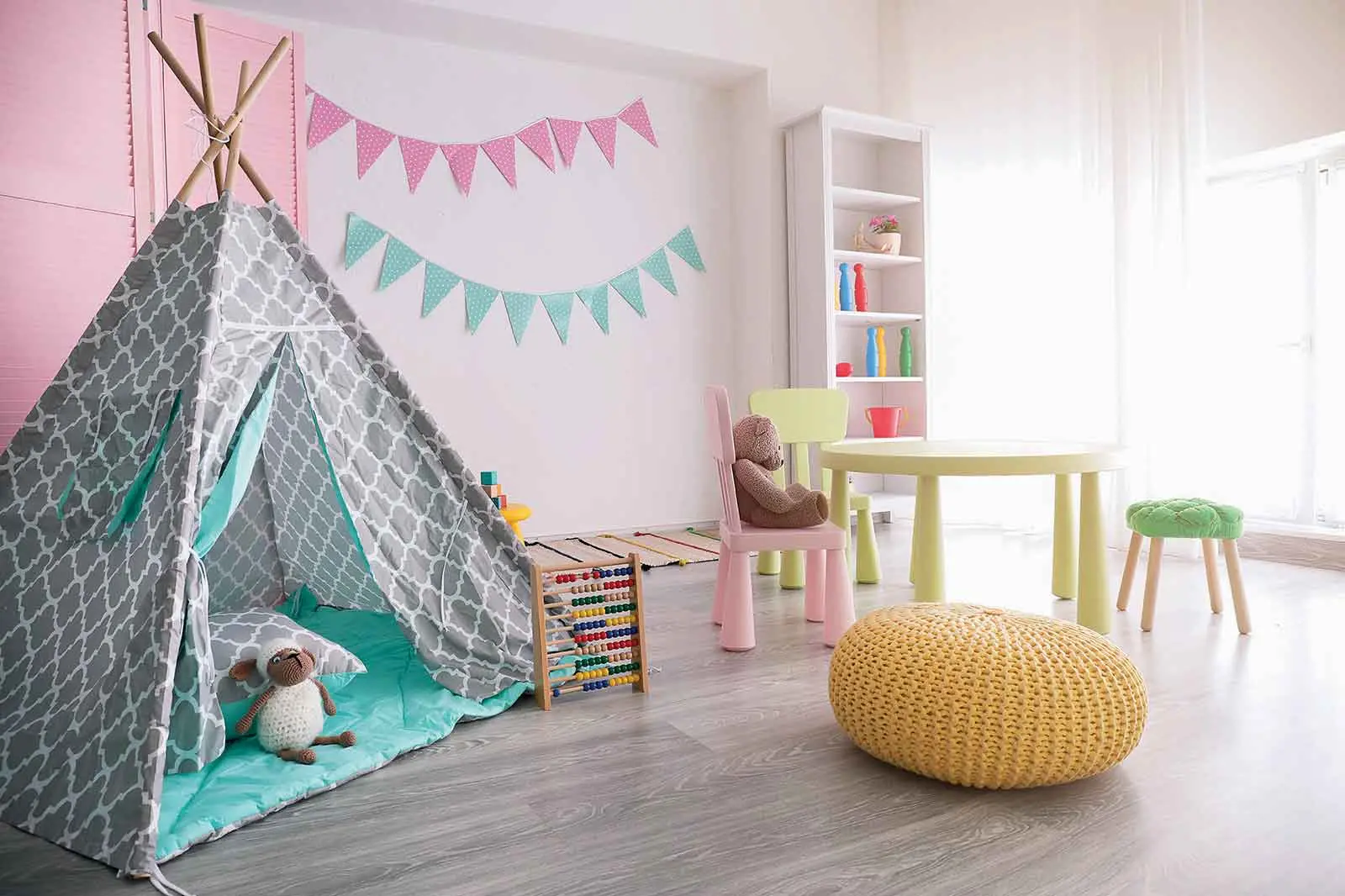
Instead of cluttering the room, designers recommend creating well-defined activity zones such as an arts and crafts area, a comfortable reading corner and an open space for movement and play.
Storage is also a key consideration. If shelves or cupboards are too high, children cannot easily pack away their own toys. Placing fabric baskets, sorting bins and low shelves at child height encourages independence and helps keep the room tidy.
Multifunctional furniture, such as storage benches or cube shelving, can also help maximise space while keeping toys organised.
Planning only for the short term is another mistake parents often make. Children grow quickly, meaning playrooms should be designed with flexibility in mind.
Adjustable tables, adaptable furniture and neutral layouts can help the room evolve as children move from toddler play to homework, reading and creative activities.
Retailers and home design specialists say thoughtful planning can help families create a playroom that remains useful for many years while supporting children’s development and creativity.