
PHOTO
Creating a lush, exotic-looking garden does not necessarily require living in the tropics, with careful plant selection allowing Australians in many climates to bring bold foliage, brilliant flowers and a holiday feel to their backyard.
ABC’s Gardening Australia says achieving a tropical appearance can be more about choosing plants with the right characteristics than recreating a genuinely tropical environment. Large leaves, layered planting and strong splashes of colour can all contribute to the effect.
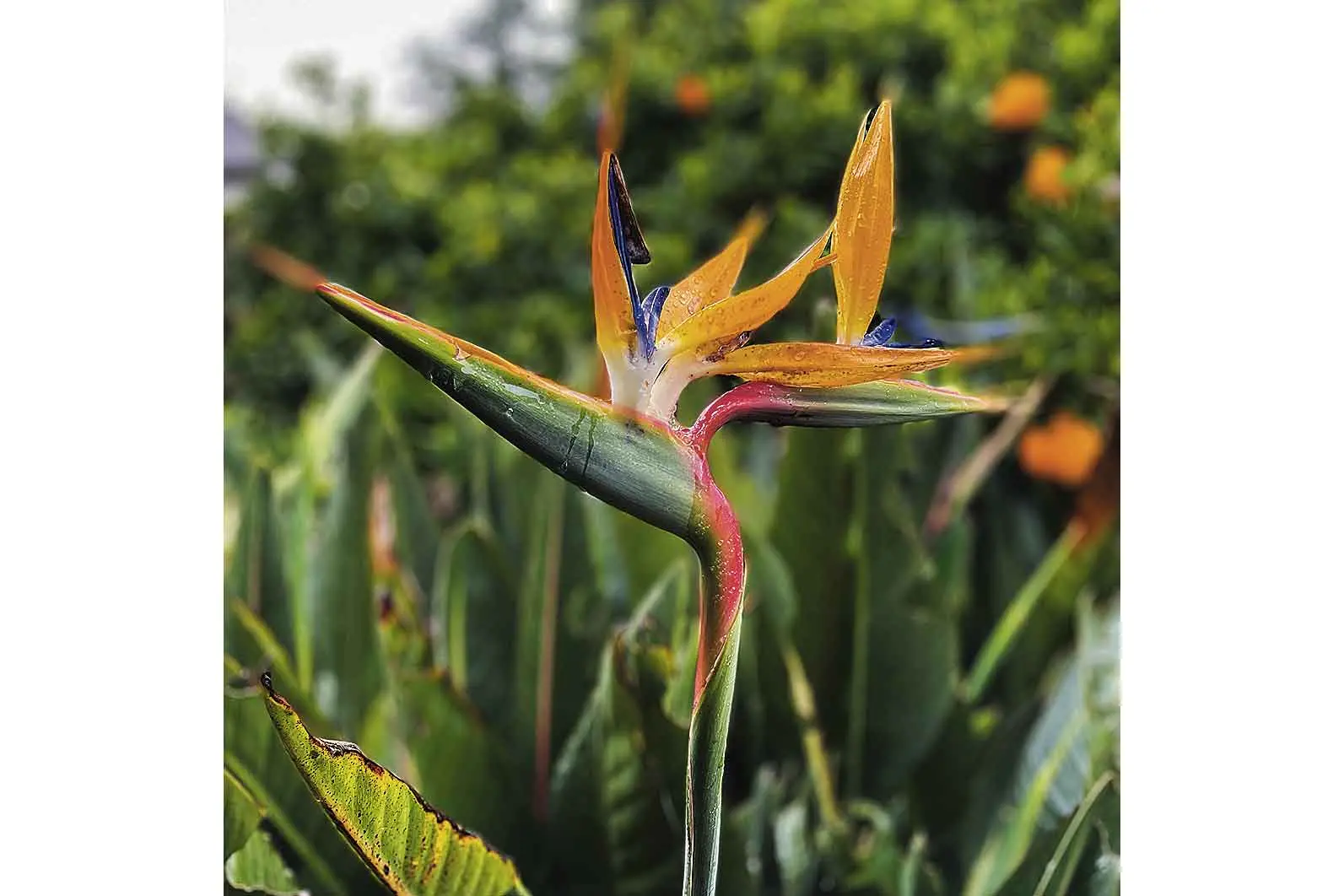
Bird of paradise
Strelitzia reginae is one of the classics. Its broad leaves and distinctive orange and blue flowers create an instant tropical impression – it's been described as a tough architectural plant able to handle hot summers.
Bromeliads
For colour beneath trees or in sheltered garden beds, bromeliads offer unusual foliage and spectacular flowers. The family contains thousands of species, ranging from tiny epiphytes to plants around two metres across, with different varieties suited to conditions ranging from full sun to dappled shade. Good drainage is important.
Frangipani
Few plants evoke a tropical holiday more readily than the fragrant frangipani. Native to the Americas and Caribbean, Plumeria varieties are widely grown in warmer parts of Australia. They prefer warmth and well-drained soil, while gardeners in colder regions can grow them in pots that can be moved to a protected position during winter.
Cannas
Cannas provide oversized foliage and brightly coloured flowers in red, yellow, pink, orange and cream. Full sun and rich, moist, well-drained soil is recommended. They are sensitive to frost, making them better suited to warmer areas or seasonal planting in cooler districts.
Clivias
For shady areas, South African clivias offer glossy, strap-like leaves and colourful flowers, usually in shades of orange, red and yellow. They perform well in dappled shade and can also be grown in containers in colder climates.
Whatever the style, plant selection should begin with local conditions. The Australian Government’s YourHome guide recommends choosing species suited to the climate, soil and site and grouping plants with similar water requirements together.
Gardeners should also check whether an ornamental plant is considered invasive locally. The Department of Agriculture, Fisheries and Forestry warns that garden plants can spread beyond backyards and contribute to Australia’s weed problem, while recommending local nurseries as a safer source of plants and advice.
And that's the next best step: visit your local gardening store to get advice on the exotic plants best suited to your garden.