
PHOTO
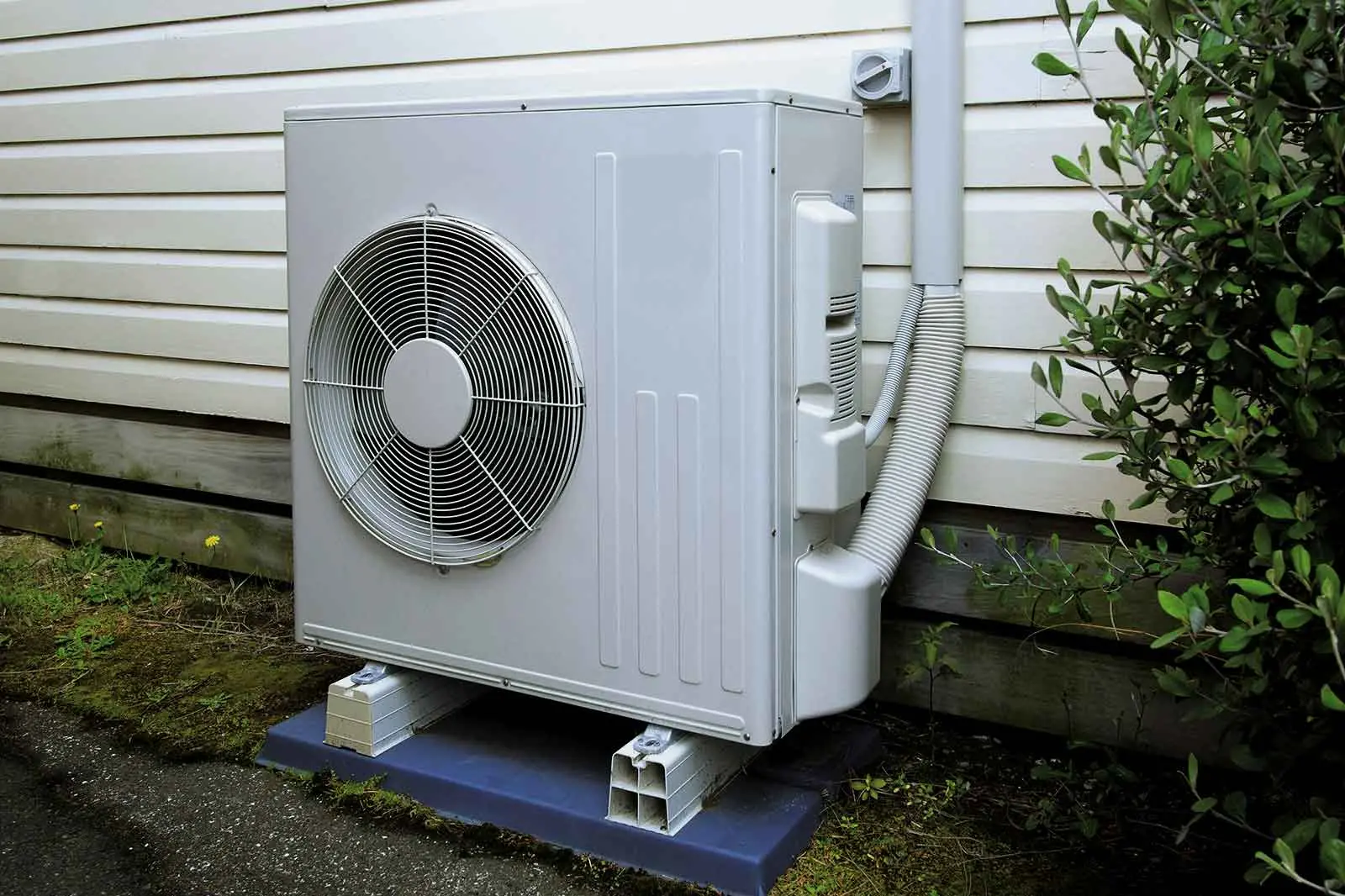
With winter well under way, households seeking better year-round comfort may be considering a reverse-cycle air conditioner – the name most commonly used for a system that transfers heat to provide both heating and cooling.
The Australian Government says reverse-cycle air conditioners are the most energy-efficient combined heating and cooling systems available. Models sold in Australia can operate at about 300 to 600 per cent efficiency because they transfer heat rather than generate it directly.
Before buying, consider these four factors.
1. Size and capacity. A system should be matched to the room or home, rather than selected on price or floor area alone. Climate, ceiling height, windows, orientation, insulation and draughts can affect the capacity required. Consumer group CHOICE says ceiling insulation has a particularly significant impact. An oversized unit may switch on and off too frequently, while an undersized model may struggle during extreme weather.
2. Split or ducted? A wall-mounted split system generally suits one room or an open-plan area, while a multi-split system can serve several rooms from one outdoor unit. Ducted reverse-cycle air conditioning provides whole-home coverage but usually costs more. Existing ductwork, outdoor space and the need for separate room controls should guide the decision.
3. Energy ratings. Compare models of similar capacity using the government’s Zoned Energy Rating Label, which accounts for hot, average and cold Australian climate zones. Ratings range from one to 10 stars, with more stars indicating greater efficiency. The estimated annual electricity consumption can also help households compare likely running costs.
4. Upfront and ongoing costs. CHOICE says split systems can cost about $600 to $5500 before installation, depending on their size and features. Obtain several itemised quotes and check warranty, servicing and features such as timers, air filtration and quiet modes. Some government programs may reduce the purchase price, including a NSW incentive offering discounts on eligible energy-efficient systems.
Installation should be completed by appropriately licensed technicians. NSW Government guidance says air-conditioning and refrigeration work requires a licence or certificate, while people handling regulated refrigerants must also hold the appropriate national licence.