
PHOTO
Gardeners are increasingly turning to ground cover plants as a practical and environmentally friendly alternative to traditional lawns, with advocates highlighting their ability to reduce maintenance, conserve water and support local biodiversity.
As many parts of Australia continue to experience periods of drought and water restrictions, homeowners are looking for landscaping solutions that require less upkeep while remaining attractive year-round. Ground cover plants, which grow low and spread across the soil surface, are emerging as a popular option.
One of the biggest advantages is reduced maintenance. Unlike traditional turf, many ground cover species naturally suppress weeds by forming a dense layer of vegetation, reducing the need for herbicides and regular lawn care. They can also help protect soil from erosion and improve moisture retention by reducing evaporation from the ground.
Diverse plantings are often more resilient than monoculture lawns, helping gardens better withstand pests, diseases and extreme weather conditions.
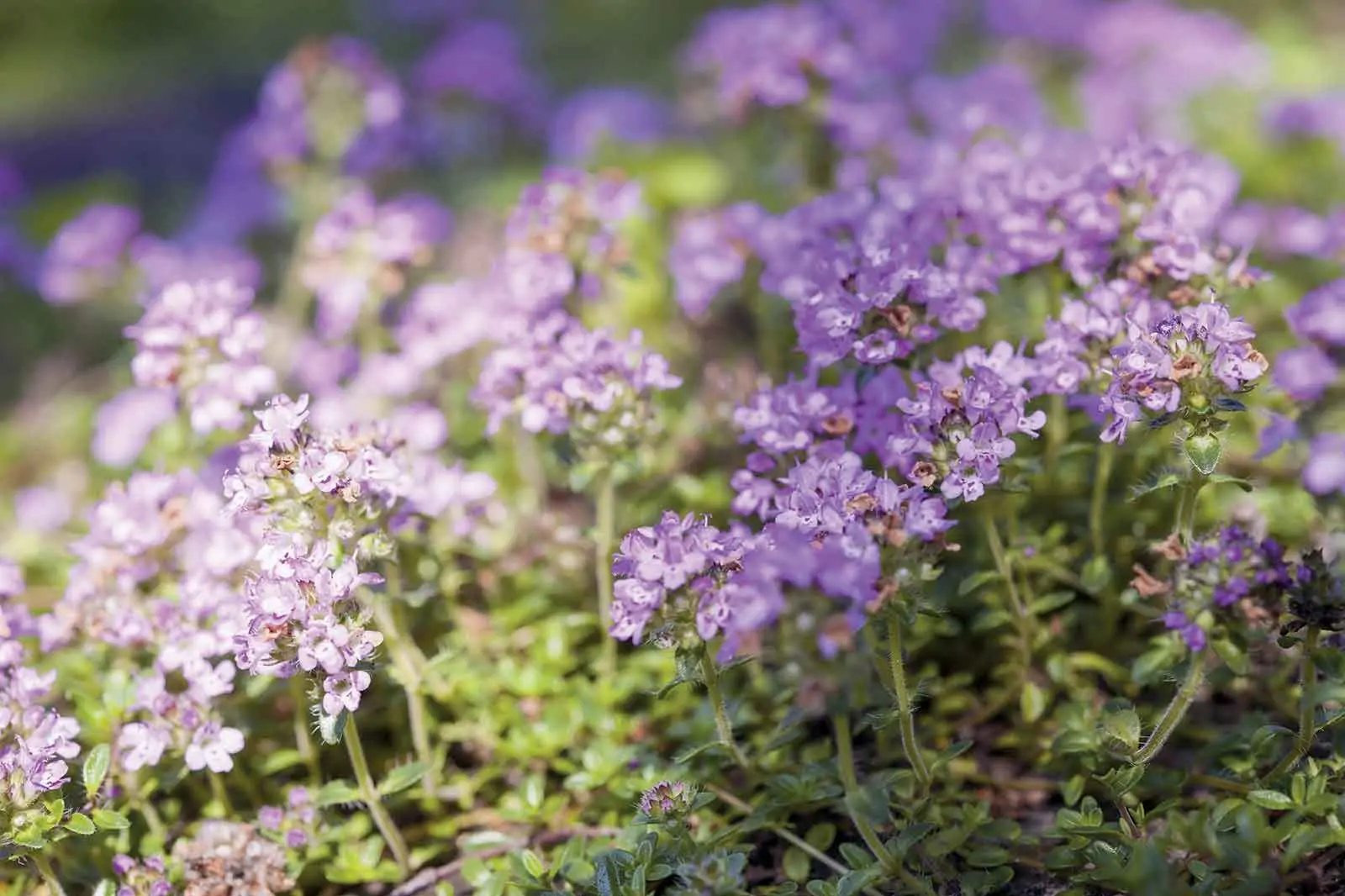
Ground covers can also add visual interest to outdoor spaces. Many flowering varieties provide colour and texture that traditional grass cannot match, making them suitable for pathways, garden borders, rockeries and areas between paving stones.
Environmental benefits are another major drawcard. The Federal Government is one of the bodies that has encouraged the creation of pollinator-friendly gardens, with flowering plants helping provide food and habitat for native bees, butterflies and other beneficial insects. Pollinators play a critical role in maintaining healthy ecosystems and supporting food production.
Water efficiency is also a key consideration. Many ground cover species require less irrigation than conventional lawns once established, making them particularly attractive in regions prone to hot, dry summers.
The experts at Yates recommend several good options for drought-tolerant ground covers, including Baby Sun Rose, "a succulent ground cover with low, spreading stems (up to 5 cm) and heart-shaped leaves". It features small, pink or red daisy-like summer flowers and is best planted in a spot in full sun and well-drained soil.
Other Yates recommendations include Spiny Mat Rush, an Australian native perennial that forms clumps of handsome strappy green foliage, Prostrate Rosemary which is "a beautiful sprawling version of the traditional Rosemary herb", and Swan River Daisy, "a native Australian wildflower that produces an abundance of dainty flowers in shades of blue, purple, pink and white, forming a vibrant carpet of colour".
Also consider Creeping Boobialla, Creeping Thyme, and Lambs Ear.
Before planting, seek advice from local nurseries or garden centres to identify species best suited to local climate and soil conditions. Selecting appropriate plants can help create a landscape that is attractive, resilient and easier to maintain while delivering benefits for local wildlife.