
PHOTO
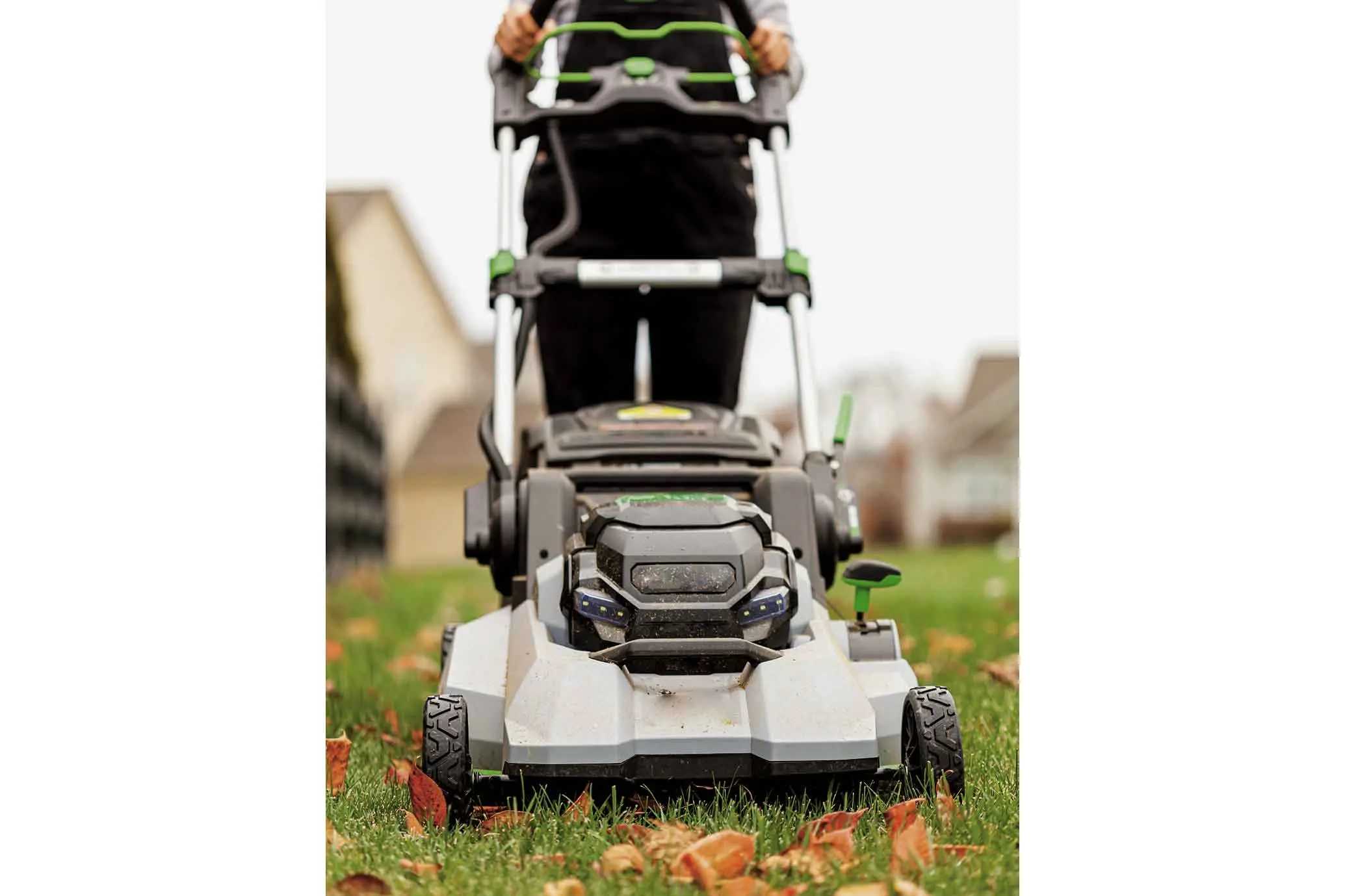
The next time you mow, leaving the grass catcher off could save a job and help your lawn. Grasscycling means letting finely cut clippings fall back onto the grass, where they break down and return nutrients to the soil.
WaterNSW recommends leaving clippings behind as a “mini-mulch” that helps soil retain moisture. It also advises against mowing lawns too short, particularly when conditions are dry. The key is to leave a light scattering of clippings rather than thick piles that cover the grass.
Fallen leaves can be put to work, too. A mower can chop a modest layer into smaller pieces that break down more readily. If leaves are piling up, move the excess to garden beds or a compost heap. Some experts advise against leaving thick layers of leaves on a lawn for weeks.
There is a benefit to keeping some leaves intact under shrubs and trees. The NSW Government says leaf litter provides habitat for small animals, while organic matter helps retain soil moisture and supplies food for soil organisms. Garden beds are therefore a useful place for leaves that would otherwise smother the lawn.
Take care with fresh grass clippings in garden beds. ABC’s Gardening Australia warns that thick layers can give off ammonia as they break down and damage plant roots. Composting surplus clippings is another option.
Returning suitable clippings and leaves to the garden also leaves more room in the green bin. Where collection is needed, check your council’s rules: many NSW councils accept both materials through garden organics services.