
PHOTO
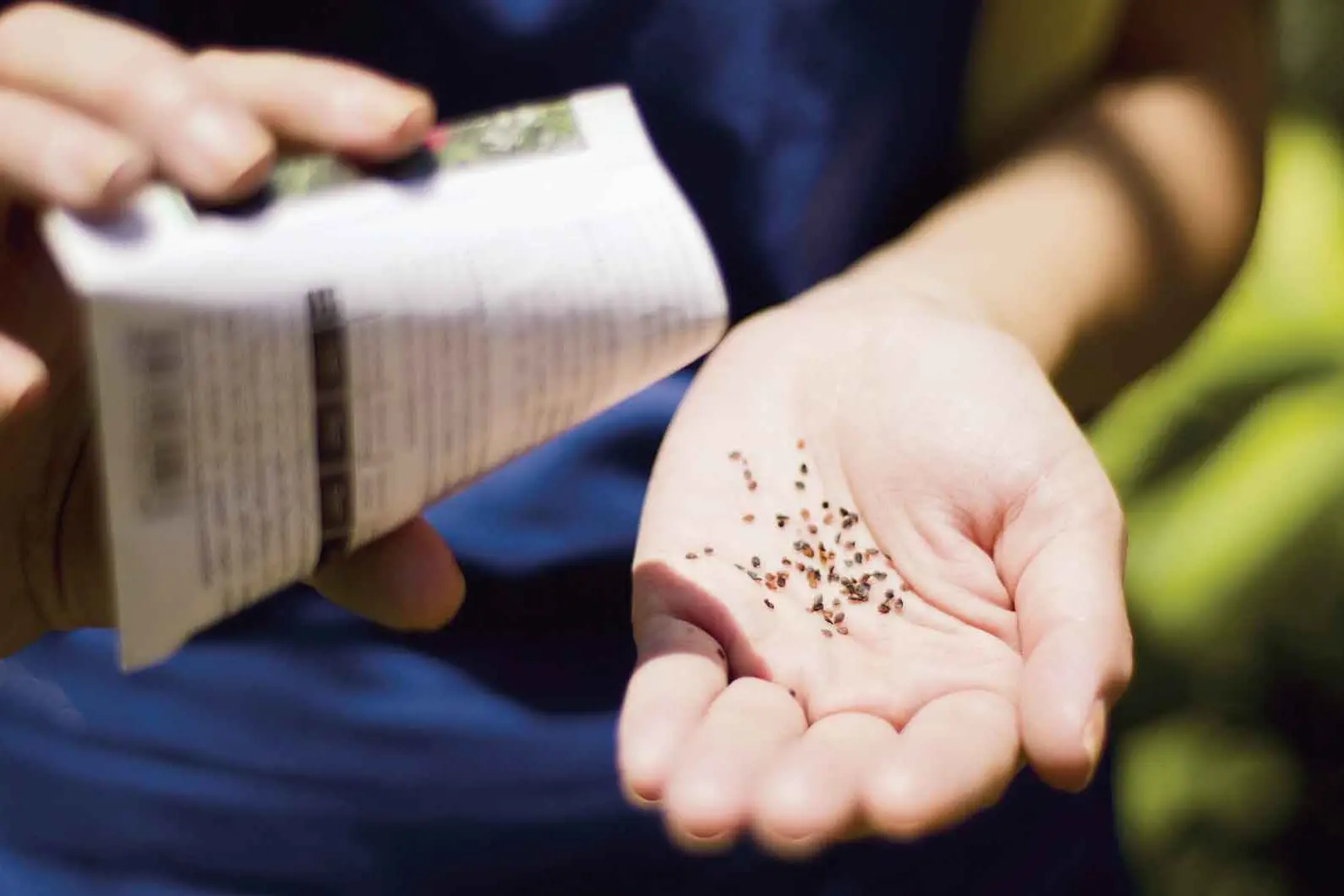
Seed packets may seem small and simple, but gardening experts say the information printed on them can make the difference between a thriving vegetable patch and disappointing results.
With more Australians turning to home gardening to reduce grocery bills, improve food security and enjoy fresher produce, understanding how to read seed packet labels has become increasingly important for beginner and experienced gardeners alike.
Most packets provide a description of the plant variety, including flavour, colour, growth habits and ideal culinary uses. Whether gardeners are choosing tomatoes for salads, pumpkins for roasting or beans suited to compact spaces, these details can help match plants to household needs and available garden space.
Sowing times are among the most critical pieces of information. In Australia, planting seasons vary widely between tropical, temperate and cool-climate regions. Gardening Australia and state agriculture agencies advise gardeners to consider local frost dates and soil temperatures before planting, as sowing too early or too late can significantly affect germination and crop yields.
Seed packets also include practical planting instructions such as sowing depth, spacing requirements and days to germination. Proper spacing is particularly important, as overcrowded seedlings compete for water, sunlight and nutrients, increasing the risk of fungal diseases and poor growth.
Many packets include thinning instructions, which involve removing weaker seedlings so stronger plants have room to mature. While it can feel wasteful, horticultural experts say thinning is essential for healthy crops such as carrots, beetroot and lettuce.
The labels also outline what gardeners can expect as the plant grows, including whether it is an annual or perennial, the estimated days to harvest and the mature plant size. This information helps gardeners plan crop rotations, maximise limited backyard space and stagger harvests throughout the season.
Additional details may include watering needs, ideal soil conditions, sun requirements and whether the variety is suitable for pots or raised garden beds.
Agriculture and gardening experts recommend storing leftover seeds in a cool, dry place and checking “packed for” or expiry dates, as older seeds can lose viability over time.
For many home gardeners, taking a few extra minutes to read a seed packet carefully can help set the foundation for a productive and rewarding growing season.