
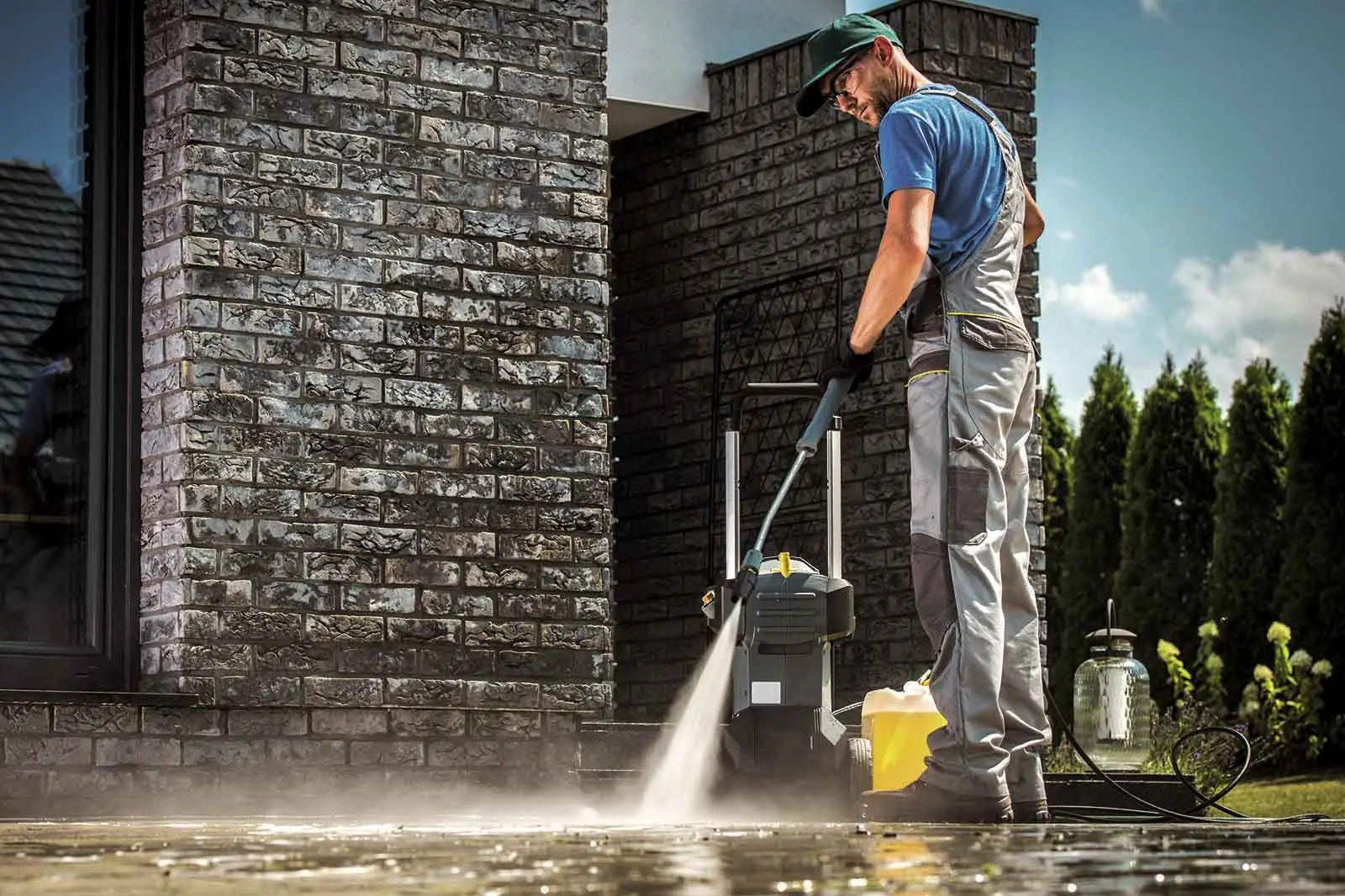
PHOTO
Pressure washers can make short work of dirty driveways, decks and outdoor furniture, but their powerful jets can also damage property and cause serious injury if used incorrectly.
Australian consumer group CHOICE warns that high-pressure water can cause cuts and bruises and propel grit and debris through the air. It recommends safety goggles, long trousers and closed shoes, preferably work boots, when operating a pressure cleaner.
Here are seven mistakes to avoid.
1. Using too much pressure on the car. Pressure cleaners can be used on vehicles, but CHOICE recommends avoiding high-pressure settings on car bodies because they can damage paintwork. Clear gravel and loose debris from the surrounding area before starting.
2. Blasting timber indiscriminately. Excessive pressure can strip paint or stain from decking and potentially mark timber. Test an inconspicuous area first and use a suitable nozzle and pressure setting.
3. Leaving loose objects nearby. Move furniture, toys, pot plants and decorations before cleaning. Stones and other debris can become dangerous projectiles, while items not designed to get wet may also be damaged.
4. Mixing water and electricity. Never direct the spray towards electrical outlets, switches, appliances or power cords. CHOICE advises users to spray away from the cleaner’s power cable and prevent water pooling around it.
5. Pressure washing from a ladder. The force of a pressure washer can affect balance. CHOICE recommends using an extension lance rather than climbing a ladder for difficult-to-reach areas. SafeWork NSW also advises working from ground level wherever possible and warns against leaning or reaching away from a ladder.
6. Skipping protective equipment. Never operate a pressure washer barefoot or in sandals. Eye protection, sturdy footwear and long clothing help guard against flying grit and high-pressure water.
7. Storing it without preparation. Drain hoses and follow the manufacturer’s storage instructions, particularly in regions where temperatures can fall below freezing.
Petrol-powered models require another precaution: never refuel hot or operating equipment. SafeWork NSW investigated a 2024 incident in which a worker suffered serious burns after petrol ignited while a pressure washer was being refuelled during use.