
PHOTO
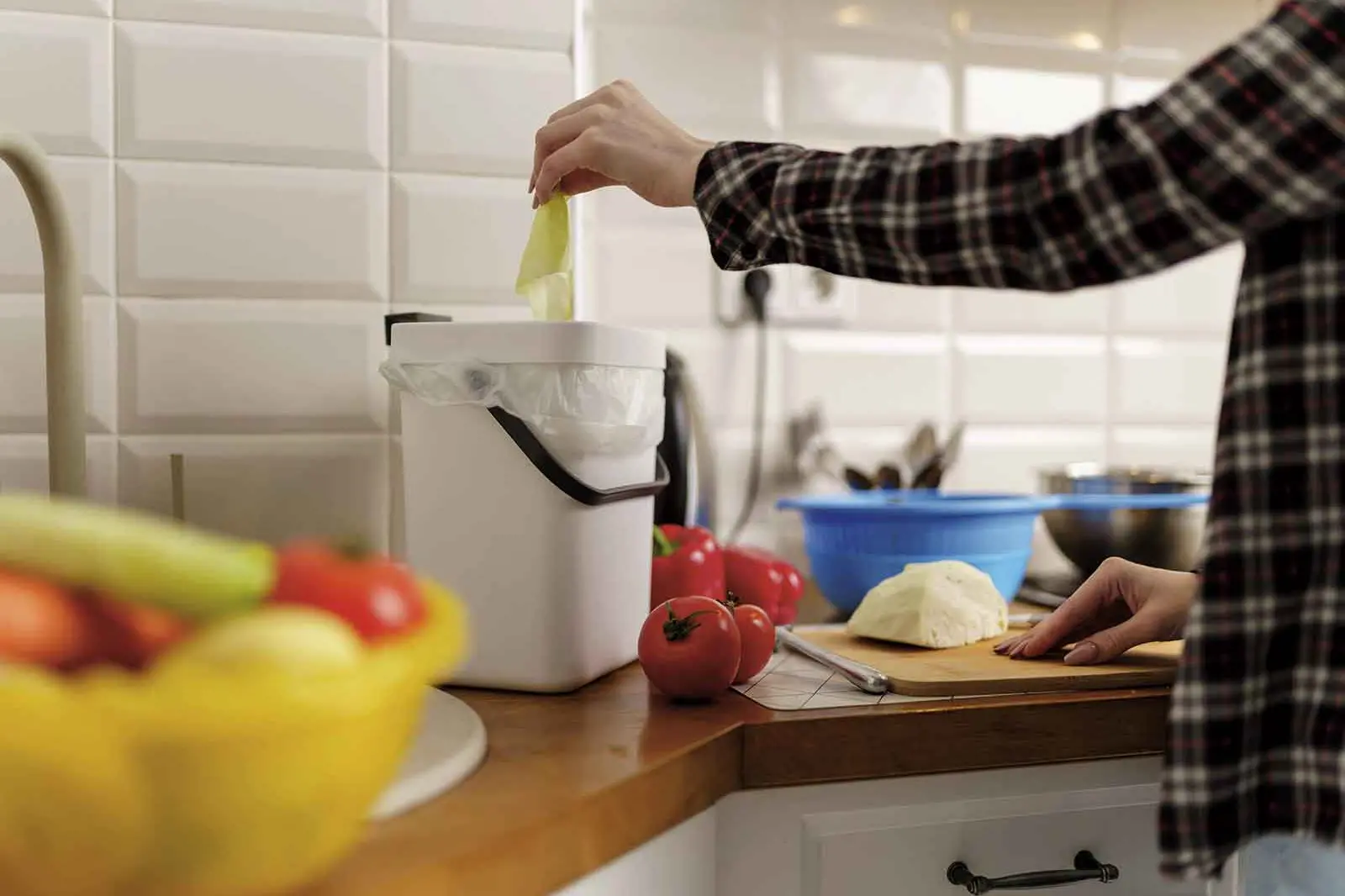
A small kitchen compost bin or food-scrap caddy can make separating organic waste an easy part of the household routine – and help keep significant amounts of food out of landfill.
Australian households generate about 2.5 million tonnes of food waste each year, accounting for around 30 per cent of the nation's total food waste, according to the Australian Government Department of Climate Change, Energy, the Environment and Water. Australia has a national target to halve food waste by 2030.
Keep it convenient:
A kitchen caddy works best when it is close to where food is prepared. Sustainability Victoria recommends setting up a small container in the kitchen – even a reused ice-cream tub can do the job – before regularly transferring the contents to a Food Organics and Garden Organics (FOGO) bin or other composting system.
A spot on the bench, under the sink or near the general rubbish bin can make separating scraps almost automatic.
Residents in the Dubbo Regional Council area have access to a council-provided kitchen food waste caddy. The green recyclable bin liners that fit these caddies are designed to be pulled out, tied up and dropped into your main green-top bin which, for many households, is emptied by council as part of the weekly kerbside pickup service. When you run out, visit a council office to pick up some more.
For people in the Orange district, contact Orange City Council for more information about Kitchen Caddies. Council has sometimes given them away for free during community events like the Sustainable Living Expo.
Narromine Shire Council provides residents using its three-bin kerbside waste service with a free kitchen caddy and an ongoing, free supply of compostable cornstarch liners for collecting food scraps.
Keep smells under control:
Odours can usually be managed without much effort. City of Sydney recommends keeping the lid closed, washing the caddy regularly with warm, soapy water and sprinkling bicarbonate of soda in the bottom to help absorb moisture and smells. Particularly strong-smelling scraps such as meat and seafood can be stored in a sealed container in the fridge or freezer until collection day.
Emptying the caddy every few days – more frequently during hot weather – also helps prevent odours and insects.
Know what belongs:
What can be placed in a council organics service varies, so householders should check their local council's instructions. In NSW, the NSW Environment Protection Authority (EPA) says FOGO services accept food and garden organics, while permitted caddy liners are limited to approved fibre liners or compostable plastic liners certified to Australian Standard AS 4736.
Ordinary plastic and many products labelled "biodegradable" or "home compostable" should not be placed in FOGO bins.
NSW councils will be required to provide FOGO services to eligible households by July 2030, making the humble kitchen caddy an increasingly familiar part of waste collection across the state.