
PHOTO
6700.0
The era of hand-cranked appliances is long gone, and today’s kitchens are increasingly defined by sleek design, smart technology and energy efficiency, with households embracing appliances that are as functional as they are stylish.
What was once considered purely practical – such as extractor fans – has evolved into a design feature in its own right. Modern rangehoods now come in a wide variety of styles, from minimalist integrated units to statement pieces suspended over kitchen islands. According to CHOICE Australia, improved filtration systems and quieter operation have also made newer models more effective at removing smoke, grease and odours, while maintaining open-plan living aesthetics.
Steam ovens, once a niche product, are also gaining popularity as Australians look for healthier cooking options. By preserving more nutrients and reducing the need for added fats, steam cooking aligns with dietary advice from NSW Health, which encourages low-fat meal preparation and increased vegetable intake.
Many modern ovens now combine steam and convection functions, allowing home cooks to bake, grill and steam in a single appliance.
Dishwashers have also seen significant innovation, with ergonomic drawer-style models offering flexibility for busy households. Originally popularised by Fisher & Paykel, these units allow users to run smaller, separate loads, improving convenience and potentially reducing water use. The Department of Climate Change, Energy, the Environment and Water notes that efficient dishwashers can use less water than handwashing when fully loaded, particularly when using eco cycles.
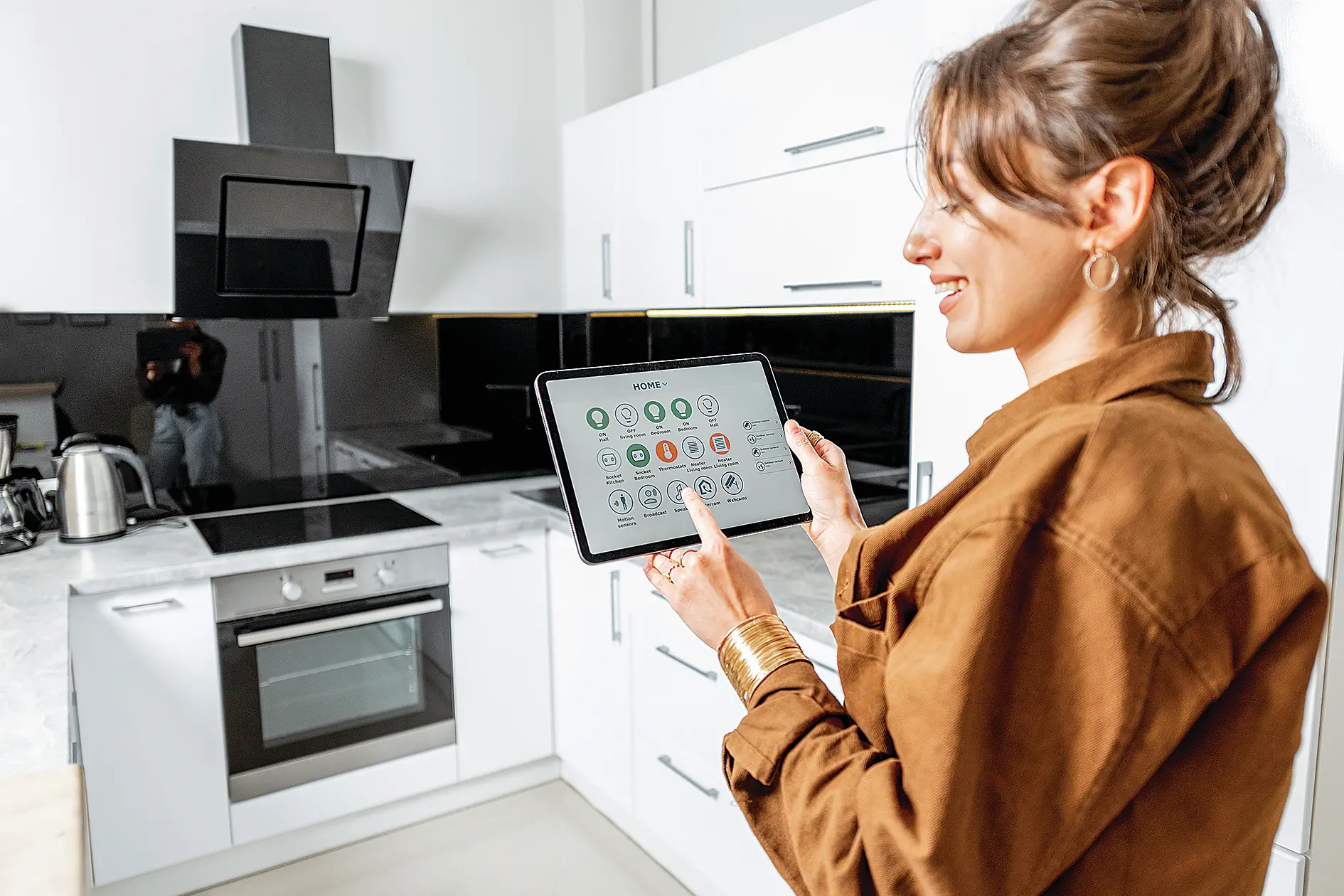
Beyond individual appliances, the broader trend is toward connected “smart kitchens”. Many new products can now be controlled via smartphone apps, enabling users to preheat ovens remotely, monitor energy consumption or receive maintenance alerts.
Energy ratings and sustainability are also front of mind, with stricter standards and labelling helping consumers choose appliances that reduce electricity and water usage.
Industry analysts say the shift reflects changing lifestyles, with Australians seeking convenience, healthier cooking methods and appliances that complement modern home design.