
PHOTO
6699.0
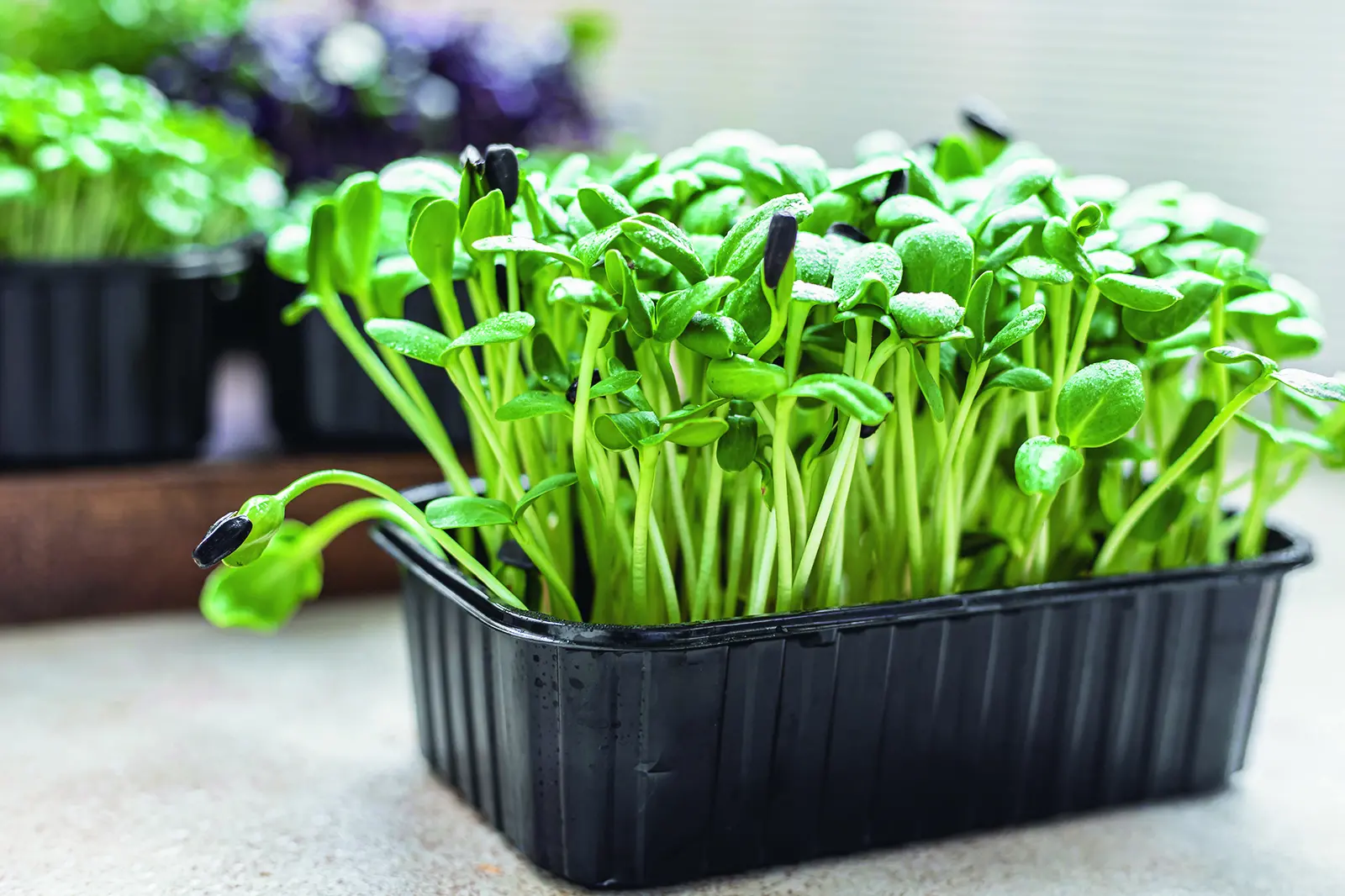
Microgreens are gaining popularity in Australian kitchens, with home cooks and chefs alike embracing the tiny plants for their flavour, visual appeal and nutritional value.
Often used to add a touch of sophistication to meals, microgreens can be sprinkled over sandwiches, soups and salads, delivering bursts of colour and taste. Despite their small size, these young seedlings – harvested just days after germination – are proving to be more than just a garnish.
Varieties range widely, from broccoli, kale and spinach to pea shoots, sunflower and herbs such as coriander. Each offers a different flavour profile, from mild and sweet to peppery and robust, allowing cooks to tailor their dishes to personal taste.
Nutrition experts say microgreens can pack a punch. Research cited by CSIRO and other international studies has found some microgreens may contain higher concentrations of vitamins and antioxidants than their fully grown counterparts. While they should not replace whole vegetables in the diet, they can be a valuable supplement.
Growing microgreens at home is also contributing to their rise in popularity, particularly as Australians look for cost-effective and sustainable ways to eat fresh produce. The Department of Agriculture, Fisheries and Forestry encourages home gardening as a way to improve food security and reduce grocery bills, especially amid ongoing cost-of-living pressures.
The process is relatively simple. Seeds are spread over moist potting mix in a shallow container, lightly watered and placed in a well-lit area. Within one to two weeks, the seedlings reach around five to 10 centimetres in height and are ready to harvest. They can be cut just above the soil line and used immediately.
Food safety experts advise growers to use clean containers, quality potting mix and potable water, as the warm, humid conditions required for sprouting can also encourage bacterial growth if hygiene is poor.
Remember to wash your microgreens before using them.
With minimal space required, microgreens are particularly suited to apartment living or smaller homes, making them accessible to a wide range of households.
As interest in healthy eating and home-grown produce continues to grow, these tiny greens are carving out a big place in modern Australian diets – offering a simple way to elevate both flavour and nutrition.