
PHOTO
With housing affordability continuing to challenge first-home buyers across Australia, tiny homes are gaining attention as a lower-cost pathway into the property market.
Buying a first home can be a daunting prospect, with rising property prices and the difficulty of saving a deposit putting homeownership out of reach for many. A tiny home could be an appealing alternative, offering a more affordable and flexible option for buyers looking to get a foothold in the market.
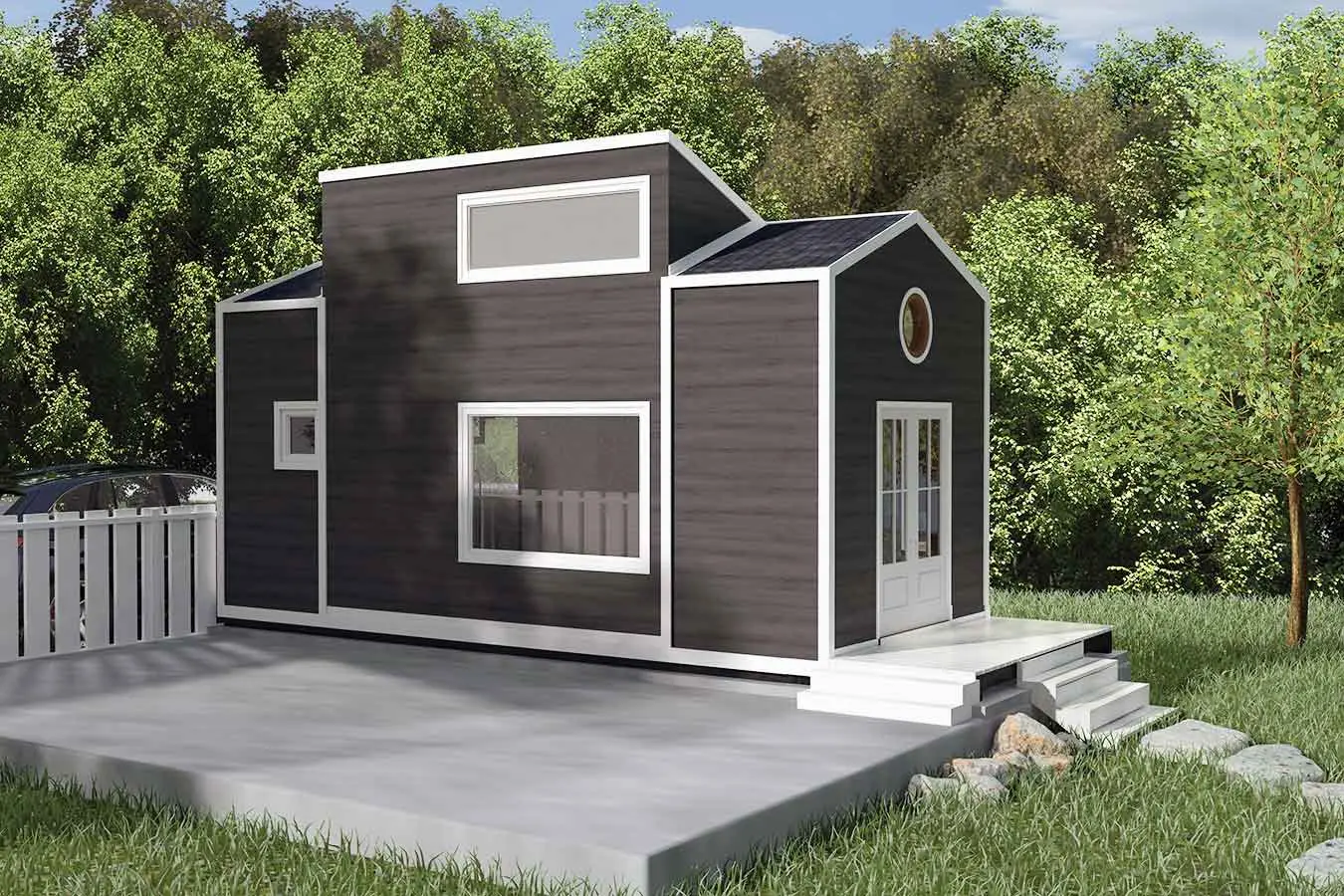
As the name suggests, a tiny home is a compact dwelling, typically ranging from 30 to 55 square metres. Designed to maximise functionality, these homes often incorporate clever storage solutions and multi-purpose spaces. Some are built on permanent foundations, while others are constructed on trailers, allowing for mobility.
Affordability remains the primary drawcard. Depending on size, design and location, tiny homes can cost between $40,000 and $150,000 – significantly less than the median house price in many parts of regional NSW, according to data from the Australian Bureau of Statistics (ABS) and industry analysts such as Herron Todd White.
Beyond cost, tiny homes are also promoted for their environmental benefits. Their smaller footprint generally results in lower energy consumption, and many builds incorporate sustainable materials or off-grid features such as solar power and rainwater collection.
The Australian Government has highlighted smaller dwellings as one way to improve energy efficiency and reduce household emissions.
However, prospective buyers should carefully consider planning and regulatory requirements. Zoning laws and local council regulations can vary widely, and in some areas, tiny homes – particularly those on wheels – may not be permitted as permanent residences. NSW Fair Trading advises buyers to understand things like land use rules, building standards and financing limitations before committing.
Lifestyle adjustments are another factor. While tiny homes can encourage minimalist living, the reduced space may not suit everyone, particularly families or those who frequently host guests.
Despite these challenges, tiny homes are increasingly being viewed as a practical stepping stone into homeownership, especially for younger buyers seeking an alternative to traditional housing pathways.