
PHOTO
A persistent bad smell inside the home can be more than just an annoyance, with experts warning unpleasant odours may point to hygiene, plumbing or even electrical safety issues.
From hidden food scraps to blocked drains and overheating electrical components, household smells can quickly build up if left unchecked. Identifying the source early can help prevent more serious problems developing.
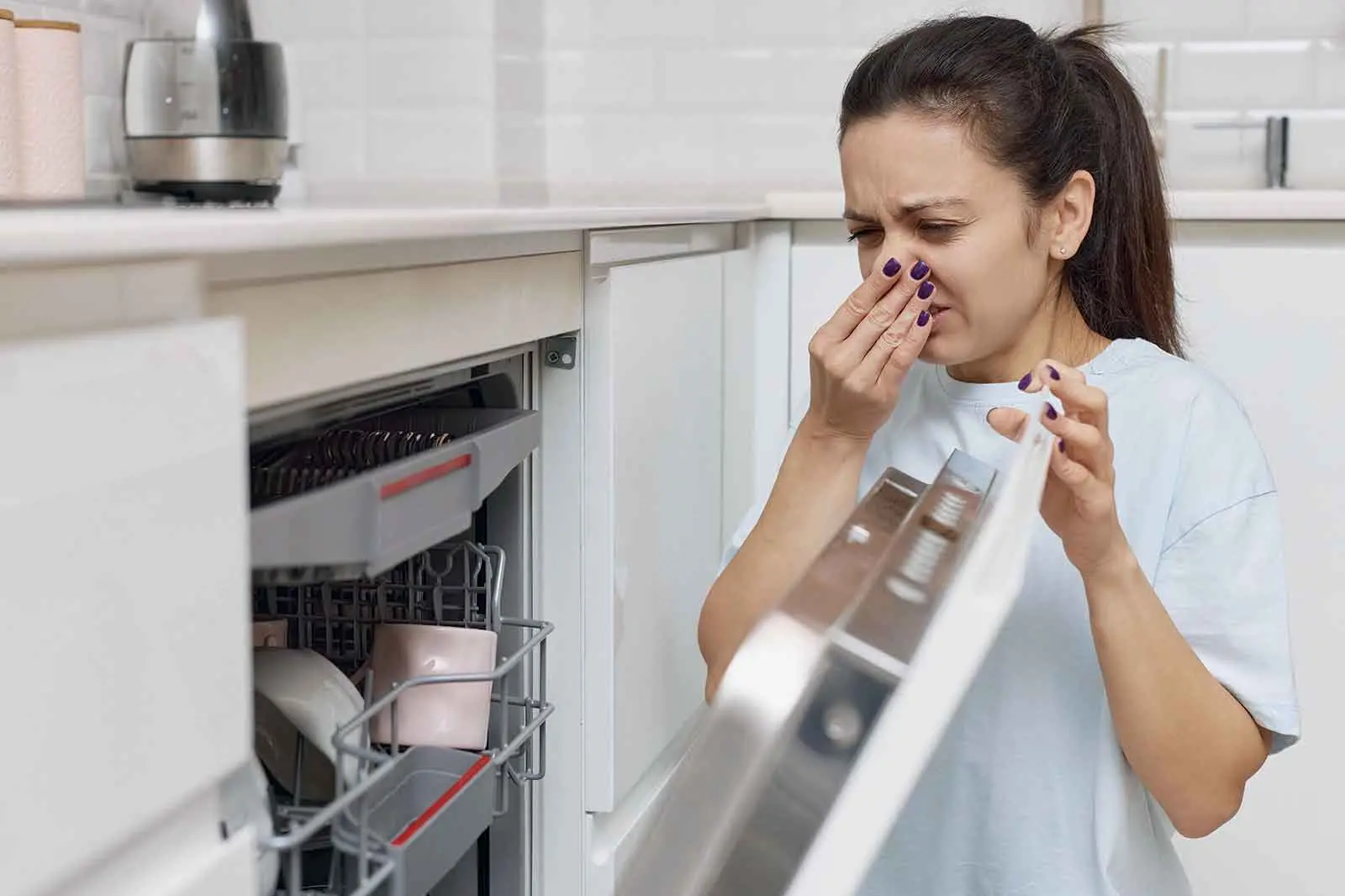
One of the most common trouble spots is the kitchen, where food crumbs, grease and leaking rubbish bins can create lingering odours. Small smells trapped behind appliances such as refrigerators, dishwashers and microwaves can combine into a stronger, unpleasant scent over time.
Cleaning experts recommend regularly moving appliances where possible and wiping down hidden surfaces to prevent bacteria and mould build-up. Compost bins and kitchen rubbish containers should also be emptied and disinfected frequently, particularly during warmer weather.
Electrical faults are another lesser-known cause of unusual household smells. Overheating wiring, switches and appliances can sometimes emit a fish-like or burning odour. According to Australian electrical safety authorities, these smells should never be ignored because they may indicate damaged wiring or overloaded circuits that could become a fire risk.
Homeowners are advised to immediately switch off suspicious appliances and contact a licensed electrician if unusual electrical smells persist.
Pipes and drains are also a common source of household odours. Soap residue, grease, hair and food debris can become trapped inside plumbing systems, leading to unpleasant smells and potential blockages. Plumbing professionals suggest cleaning drain covers regularly and flushing drains with hot water to help reduce build-up.
One option is to use a mixture of vinegar and baking soda as a simple cleaning solution to help neutralise odours in sinks and drains.
The Australian Department of Health warns that dampness, mould and poor ventilation inside homes can contribute to unpleasant smells and may affect indoor air quality, particularly for people with asthma or allergies.
Experts say regular cleaning, good ventilation and prompt maintenance are the best ways to stop bad smells from taking over the home and to ensure minor issues do not become costly repairs.