
PHOTO
Indoor humidity can affect everything from breathing comfort to mould growth and structural damage, making moisture levels an important but often overlooked part of maintaining a healthy home.
Humidity measures the amount of water vapour in the air. While the ideal level can vary with climate, temperature and building design, specialists recommend keeping indoor relative humidity between about 40 and 60 per cent for comfort and below 60 per cent to discourage mould.
A small digital hygrometer can help householders monitor conditions in different rooms.
Excess moisture creates favourable conditions for mould and dust mites. NSW Health says mould requires moisture to grow and can cause nasal congestion, sneezing, coughing, wheezing and respiratory infections, while people with asthma, allergies or weakened immune systems may be particularly vulnerable.
Asthma Australia also identifies mould and dust mites encouraged by humid conditions as common asthma triggers.
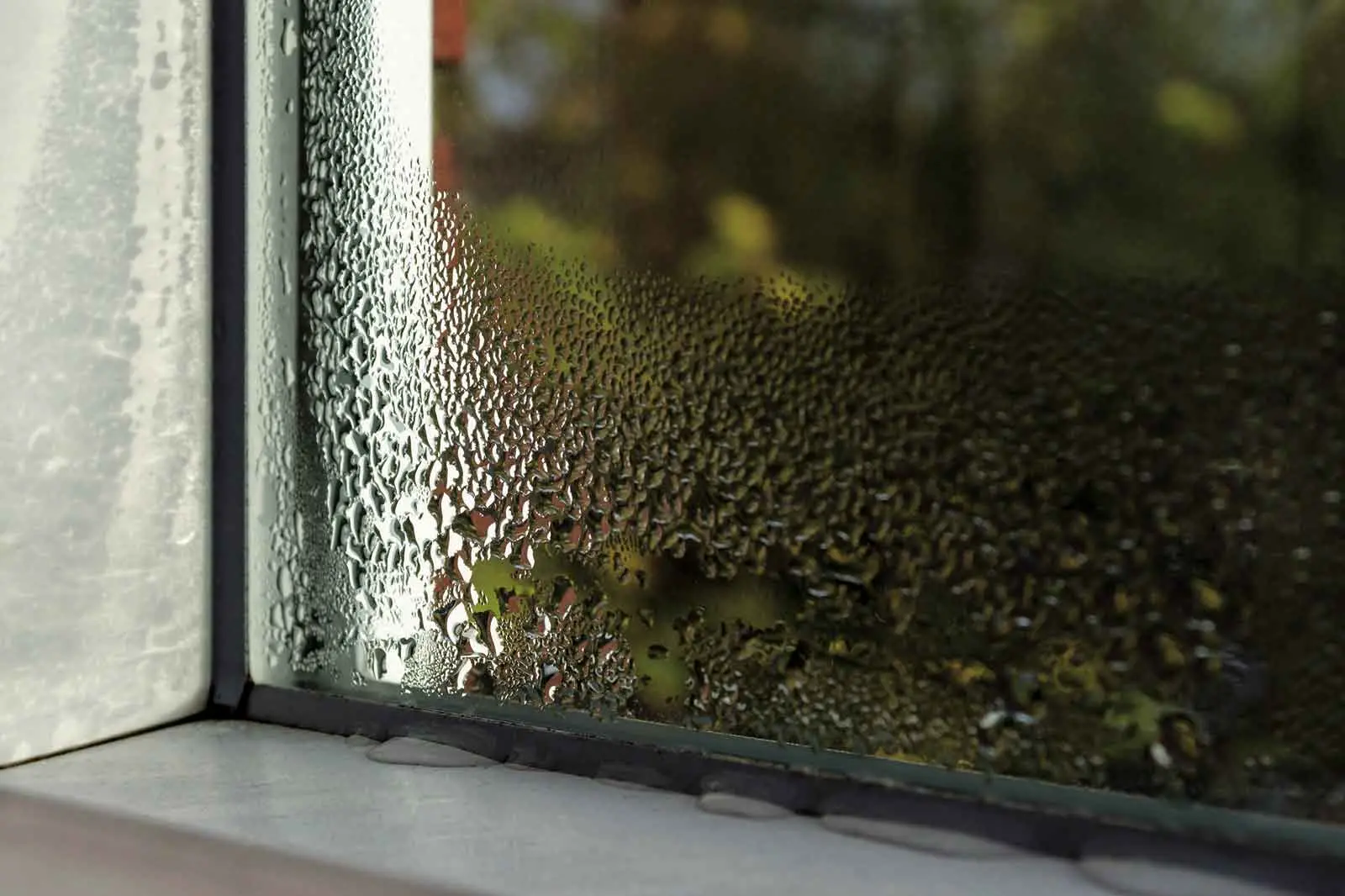
High humidity can also affect the building itself. The Government’s YourHome guide says condensation forms when humid air meets a cooler surface and can lead to dampness, mould, decay and, in severe cases, rotting building materials. Condensation may appear on windows and ceilings or remain hidden inside walls, roofs and floors.
Air that is too dry can be uncomfortable as well. CHOICE reports that humidity below about 40 per cent may contribute to dry skin, irritated eyes, nasal dryness and allergy symptoms. Also, exposure to dry air can aggravate dry-eye problems.
Householders can reduce excess moisture by using exhaust fans while showering, cooking or doing laundry, opening windows when outdoor conditions are dry and repairing leaks promptly. YourHome says kitchen and bathroom extractor fans should discharge outdoors rather than into roof spaces or wall cavities.
Dehumidifiers or an air-conditioner’s dry mode may help in persistently damp rooms, while humidifiers should be used cautiously and cleaned according to the manufacturer’s instructions. NSW Health recommends limiting humidifier use because adding unnecessary moisture can encourage mould.
Persistent condensation, damp smells or recurring mould may indicate leaking plumbing, rising damp, inadequate ventilation or building defects requiring professional assessment.