
PHOTO
Why less than one per cent of the Australian agriculture and food industry is currently owned by First Nations people or communities is a statistic that simply doesn't make sense to proud Wiradjuri business leader from Dubbo and CEO of EM-power Foundation, Holly Hoad. And it’s one she’s working hard to change.
"If native foods are founded on First Nations’ Culture and traditional knowledge, why aren't more First Nations people leading the industry?" she asked.
That question has helped shape the EM-power Foundation over the past five years, the organisation seeking to increase First Nations’ participation in the growing agriculture and food sector by combining Cultural knowledge with practical career education.
The foundation’s programs are co-designed with local communities and Traditional Owners and delivered alongside First Nations’ entrepreneurs, industry leaders and mentors who provide students with visible role models, career pathways and opportunities.
As Holly says: "You can't be what you can't see."
In 2025, gas and energy provider Jemena supported EM-power's Native Food and Culture Education Program through its community grants program to deliver one-day immersive workshops in Dubbo.
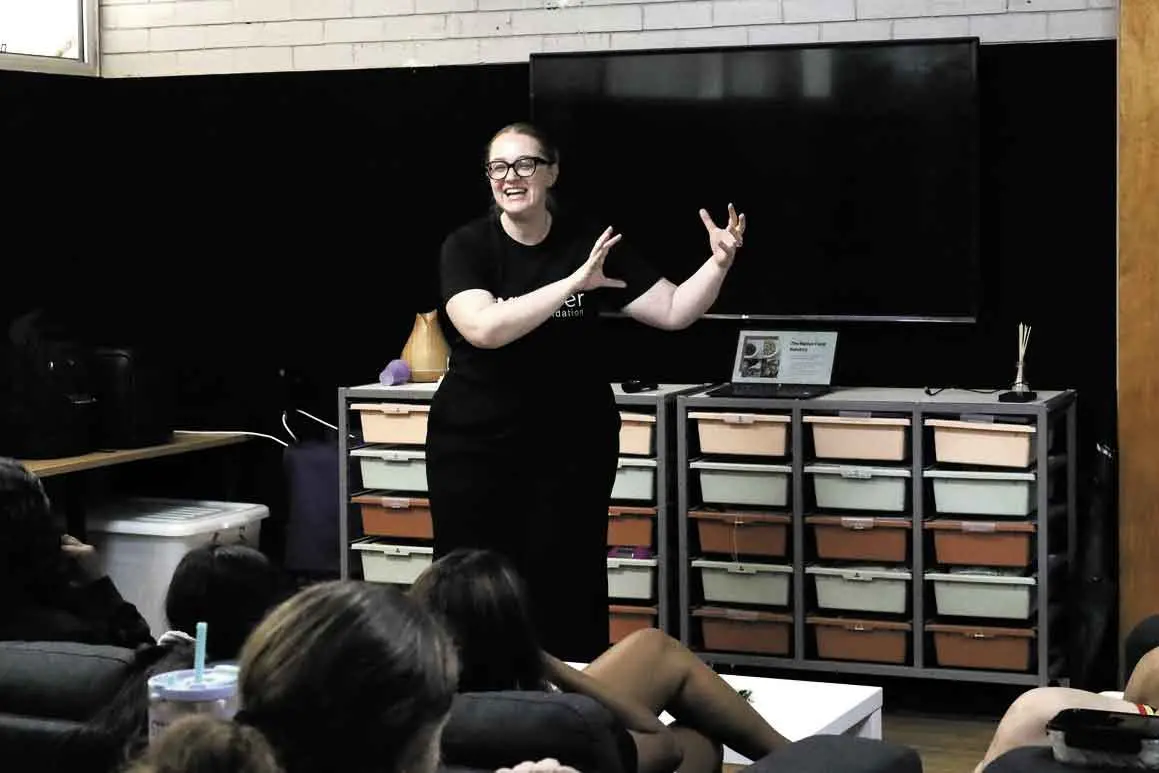
Delivered in partnership with the National Aboriginal Sporting Chance Academy (NASCA) Girls Academies, and working with First Nations entrepreneurs, around 90 First Nations students in Years 9-12 travelled from Wellington, Narromine and Coonamble to participate, cooking with native ingredients to create products such as muesli bars and biscuits before developing product branding, packaging and marketing concepts.
For many, it was the first time they had considered entrepreneurship as a realistic future and one of the frequent comments Holly heard was: "I didn't know I could start a business,” she said.
“The students who often walk into the room least interested are sometimes the ones who leave the proudest," she said.
One standout student, initially introduced through the Jemena-funded program, has since progressed into additional employment pathway initiatives and is now seriously considering a future in the food industry.
Jemena’s General Manager of Corporate Affairs Tania Coltman said the company's community grants program has been running since 2019 and the Em-power project shows what organisations can achieve with some external support.
"Stories like EM-power Foundation demonstrate the lasting impact community organisations can have, and we're looking forward to supporting the next generation of projects through our 2026 Community Grants Program," she said.
Building on the success of this program, Jemena will again support the foundation in 2026 with funding for a Native Food and Culture Careers Expo.
The one-day event, date and location yet to be announced, will bring together First Nations students from across the region with First Nations entrepreneurs, employers, educators and community leaders. Through workshops, panel discussions and hands-on activities, students will explore career opportunities and strengthen connections to Culture and community.
EM-power continues to encourage young First Nations people to see Culture as a source of confidence and opportunity.
Holly said they are "walking in both worlds", combining traditional knowledge with contemporary education to build stronger futures for themselves and their communities.
Jemena's support has allowed EM-power to bring paid industry mentors into schools, access native food ingredients and equipment, strengthen partnerships with schools and communities, creating a genuine pathway from Cultural education to employment and an opportunity to imagine futures they may never have considered before.
For Holly, that's exactly the future she hopes to build: one where more First Nations young people don't just participate in Australia's agriculture and food industry, but help lead it.