
PHOTO
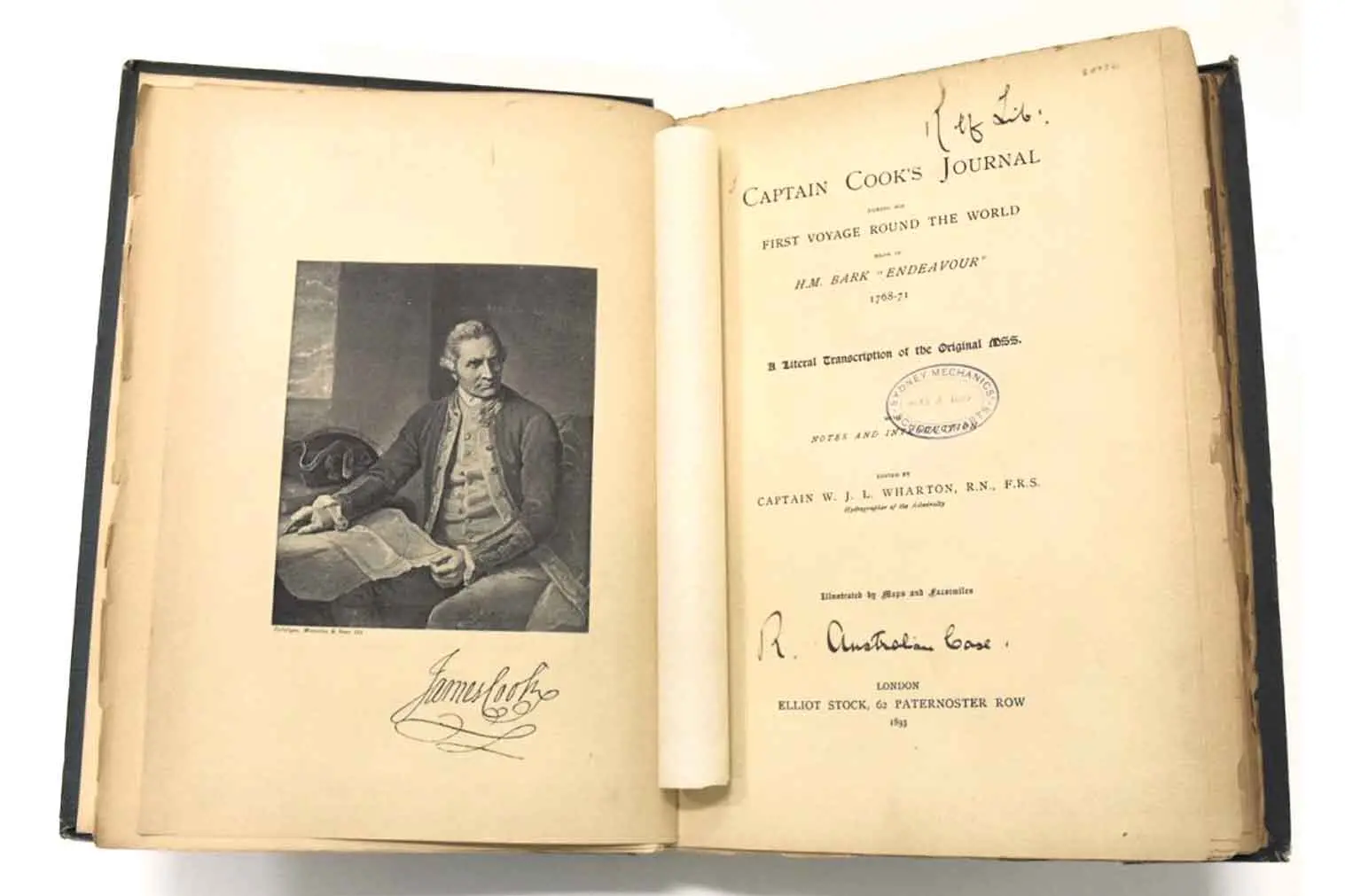
One reason that British explorer James Cook knew that Australia was inhabited, as he and the crew on 'HMS Endeavour' sailed up the Australian east coast, was the amount of smoke they saw in the hinterland.
On August 21, 1770, he wrote: “We saw the smoke of fire in several places; a certain sign that the country is inhabited.”
Cook, in his journal from the autumn and winter of 1770, recorded seeing fires or rising billows almost every day of the voyage.
These, however, were not the wild bushfires of modern Australia — out of control and destroying all in their path — but fire-stick farming, “cool” or “cultural” burning... a land management practice used by Aboriginal Australians for thousands of years.
These low-intensity, slow-burning fires were used to clear under-growth, promote fresh pasture for grazing animals, manage food resources, and also acted as a signal to neighbouring groups of territorial boundaries.
Cook's journals from April to September as he charted the coastline from Point Hicks in Victoria to Possession Island in Torres Strait, regularly mentions seeing thick plumes of smoke or glowing fires along the coastline.
The Australian bush is almost unique amongst world eco-systems, in that regular fires are a key component in maintaining the health and regeneration of not just the overall environment, but individual plant and tree species also.
Deciding best how to achieve this has ranged from the “burn the lot every four years” policy applied up until the 1980s, to the equally-mistaken “don’t touch a twig approach” that was blamed for the intensity of a number of fatal wildfires around the turn of the century.
Cool burning, therefore, is an intermediate approach based around traditional Indigenous land management practices with fires that are cooler and slower than standard hazard reduction burns and are timed to the seasons and plant cycles.
Benefits include helping to lower the risk of catastrophic wildfires by reducing fuel loads; encouraging the growth of native plants; maintaining a healthy tree canopy; and reducing wildlife loss.