
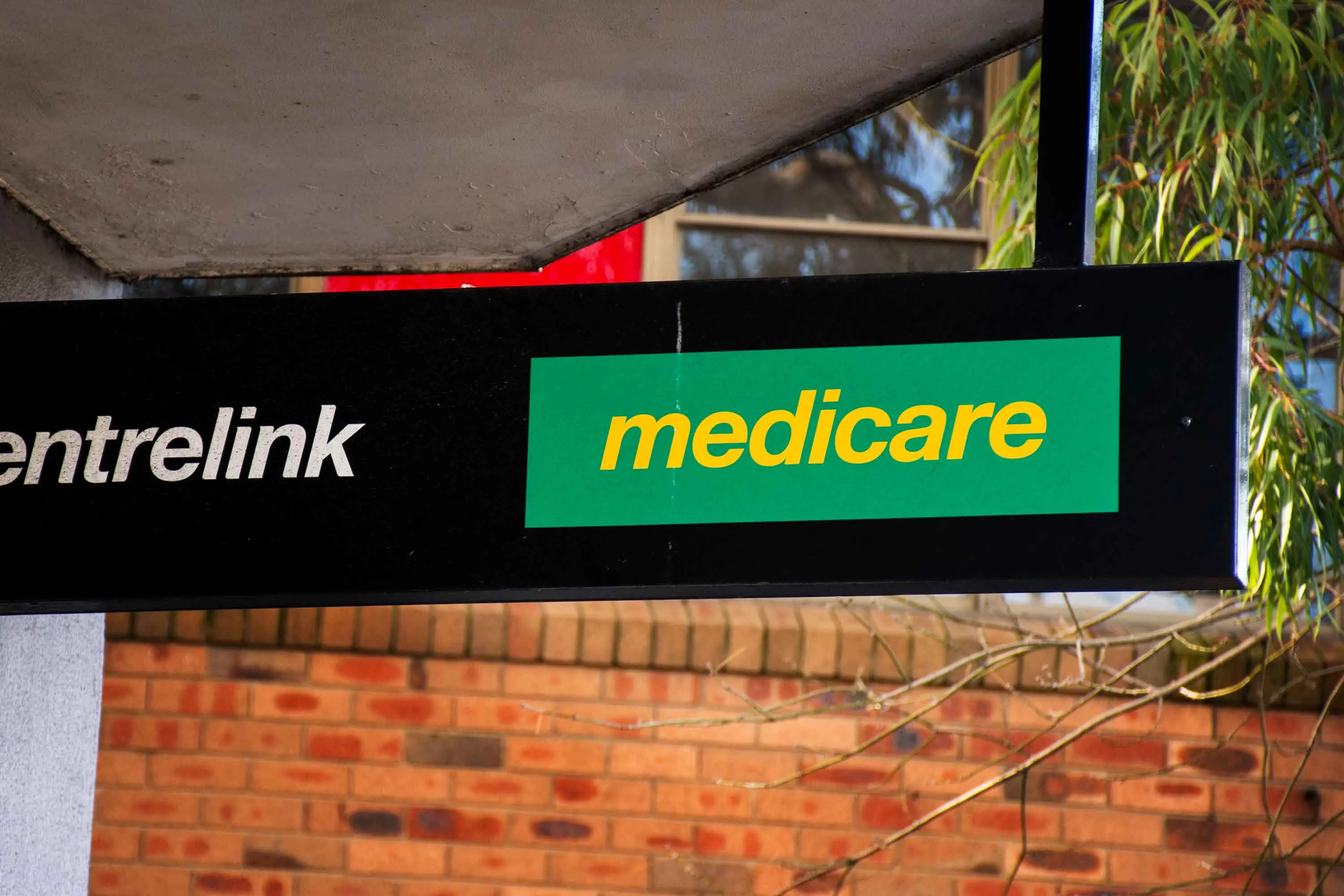
PHOTO
After more than a decade balancing academia, art and motherhood in a capital city, Sandra moved to a picturesque alpine village for a fresh start.
But once she settled in the rural outpost near the NSW-Victoria border, she found herself even more isolated by a controlling partner.
"I was dealing with domestic violence," she tells AAP, asking that her surname not be used.
"This was before the term coercive control started being bandied about.
"I wasn't even aware myself that that's what was going on."
Sandra was able to leave the relationship and recover with ongoing help from a psychologist, using teleheath to avoid a two-hour drive to an in-person appointment.
Talking to a psychologist online or over the phone also means she doesn't have to deal with small town social stigma.
"It's a gossip go-round," she says of her nearest hospital and the connected medical centre.
After Medicare changes that came into force in November 2025, patients like Sandra need to see a GP in-person at least once a year to access mental health care through telehealth.
The move was designed to improve continuity of care, ending an exemption that allowed greater access to telehealth during the COVID-19 pandemic.
But rural Australians – who face long trips to see a GP or may not have a regular doctor – are being inadvertently disadvantaged by the change, as psychologists report patients delaying care to the point of crisis.
It is just one example of the many complex ways Medicare penalises patients in the bush, with a Senate inquiry told the system is contributing to rural people getting sicker and dying younger than their city peers.
"We're a corner of the country that is disregarded, left alone," says Sandra, who faces driving 100km interstate on unsealed roads to see her doctor.
Medicare is geared toward areas with dense populations because it is a fee-for-service model that rewards patient volume, according to an in-depth analysis by The Australia Institute.
That plays into multiple overlapping issues in the regions, such as higher hospitalisation rates, shorter life expectancies and difficulties recruiting doctors.
"The needs in more remote communities are generally higher, with things like a generally older population, a sicker population," report co-author and senior economist Jack Thrower tells AAP.
"There's a big mixture of cause-and-effect there.
"These areas have a higher need for health services but they're generally getting less."
Since Medicare was established in 1984 with a vision for universal healthcare, the system has centralised, fragmented and become more reliant on hospital care, the inquiry has been told.
That is to the detriment of country communities.
The institute's analysis shows just how much rural Australians are missing out on.
Patients in outer regional and remote areas receive a total of $2 billion in Medicare benefits per year across all health services, compared to about $24 billion in the cities, the report says.
On a per-person basis, that equates to a gap of up to $880.
The limited flow of Medicare benefits may deter doctors from setting up in small rural towns, with a high volume of patients needed to support a thriving medical practice.
There are 26 per cent fewer GPs in small towns per-person and 37 per cent fewer in remote areas compared to metropolitan areas, the institute found.
"It's simply more expensive and harder to make an operation viable," Mr Thrower says.
Considered a lifeline in remote Australia, Royal Flying Doctor Service practitioners see the limitations of Medicare firsthand.
Doctor shortages leave rural patients to travel to major cities, including 300km from Port Augusta to Adelaide, the aeromedical service's submission to the inquiry says.
But Medicare data does not capture a patient's place of residence when they go to an appointment in the city.
"So this unmet rural demand is invisible in the data," the submission says.
The government's submission says it is ushering in significant reform, focused on expanded bulk billing, greater specialist telehealth access and supporting clinics in thin market areas.
"These actions demonstrate the government's steadfast commitment to ensuring Australians living in rural, regional and remote communities have equitable access to high-quality, affordable, culturally safe and sustainable primary health care," the submission says.
Data released in April shows bulk billing rates in small rural towns have surged from 21 per cent to 58 per cent after a roll-out of bolstered incentives in November, while remote communities sit at 48 per cent.
Still, country communities continue to fight for their health.
An action group in the Mudgee region, in rural NSW, has long been campaigning for more doctors, even going as far as offering $45,000 relocation incentives with backing from mining companies.
Mudgee Medical Centre has recently been able to re-open its books to new patients, after Doctors 4 Mudgee Region recruited six doctors.
A clinic re-opened in the nearby gold rush village of Gulgong after 18 months with no medical service.
"This rapid progress highlights what is possible when a community unites with purpose, delivering real, measurable change in the face of a rural healthcare crisis," the group says in a statement.
The institute's analysis makes no bones about what the government should do: acknowledge market failure and directly fund primary health in rural and remote Australia.
"Medicare is meant to be a universal service, to provide healthcare to all Australians, regardless of where you live," Mr Thrower says.
"It is the responsibility of government to ensure people have access."
1800 RESPECT (1800 737 732)
Lifeline 13 11 14
Men's Referral Service 1300 766 491