
PHOTO
More Australian women are accessing medical terminations, but a resurgence in the anti-abortion movement threatens rural patients already forced to seek care on the quiet, experts say.
The number of women accessing abortion pills through GPs rose from one in 10,000 to more than two in 1000 between 2014 and 2021, according to research led by Flinders University.
The analysis used data from more than 400 general practices across Australia, tracking more than one million women.
There was greater use of medical abortion, a non-surgical option in early pregnancy, in women aged between 25 and 29.
Women in the regions or in lower socio-economic areas also accessed medical abortions at higher rates.
But only one-third of practices provided the service at any point in the study window.
More than half of patients were new to the practice where they received care, suggesting they had to find a willing provider, according to the study published in an international journal.
The data revealed continued complexities in abortion access, with higher prescribing rates likely disguising barriers, lead author Luke Grzeskowiak told AAP.
"It's a glass half-full and then half-empty approach," Associate Professor Grzeskowiak said.
"We're still seeing a large proportion of practices that have never provided this essential health care service over a decade."
Red tape around the use of abortion pills has been reduced in recent years, creating a clearer path for health workers to prescribe and dispense the medication.
Abortion was decriminalised across all states and territories between 2018 and 2023.
But access has long been fraught in rural areas, which may rely on a single provider across a vast region, Dr Grzeskowiak said.
"You might have someone in a regional or remote area who is providing abortion care services and... you might lose access if they move back to a major city."
The removal of various prescribing conditions on GPs and pharmacists reflected the safety of the medication, he said.
"We dispense many more complex medications on a daily basis without the same rigmarole.
"It was very much a conservative process."
A rural gynaecologist, who spoke to AAP anonymously due to their work in the public system, said it was common for small-town GPs to offer abortion care on the quiet.
"It's maybe not supported by the practice managers... or the clinician running the clinic," the specialist said.
"It's also their patient population: if some quite conservative elderly patients found out their GP was doing that, it may lose them business."
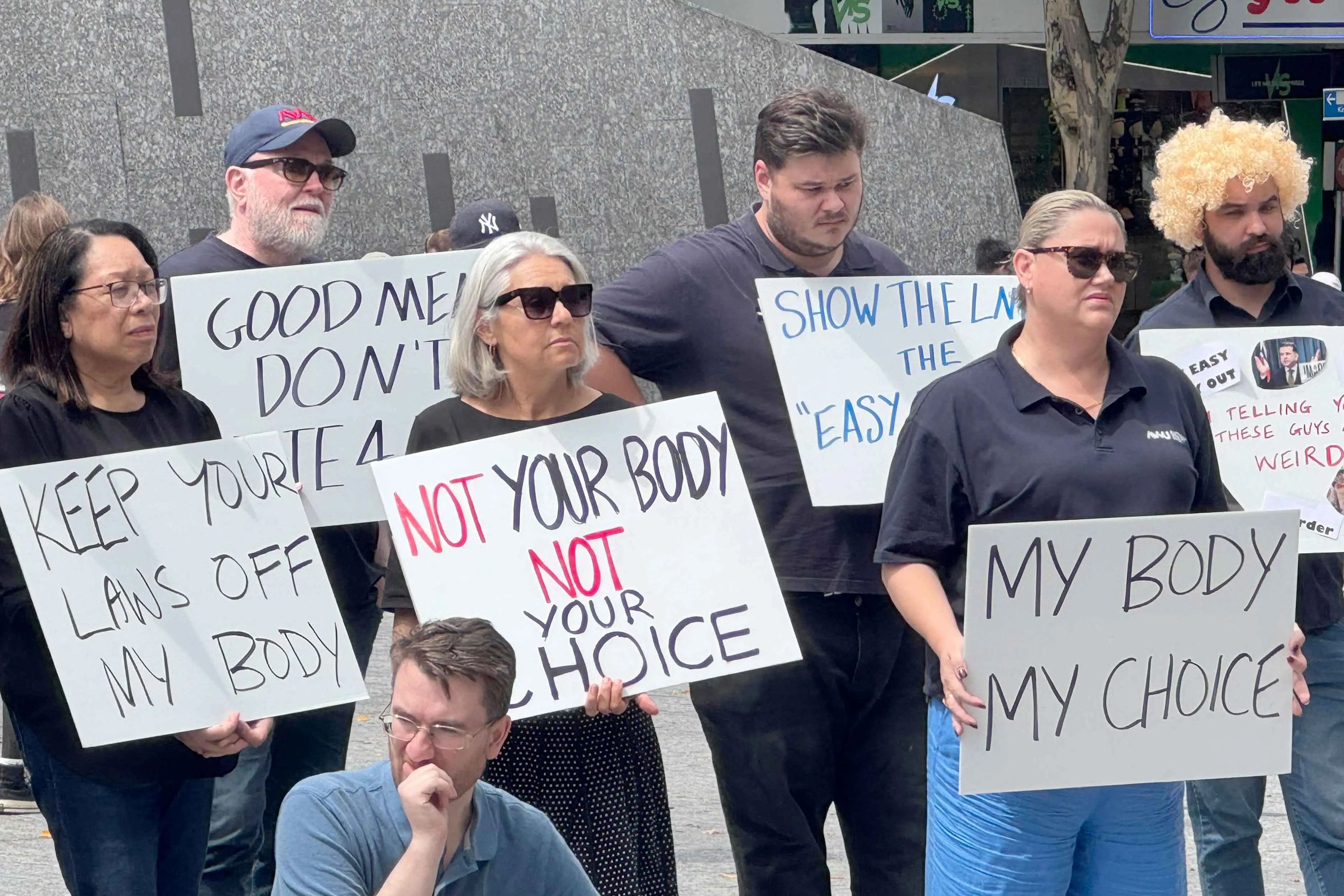
Recent anti-abortion rhetoric, supported by One Nation MP Barnaby Joyce at a NSW rally in June and Katter's Australia Party in Queensland, only put vulnerable women at risk, the specialist said.
"It's fear-mongering.
"It's our most disadvantaged socio-economically, geographically-isolated patients that are going to suffer.
"Getting GPs into these areas is hard enough, so anything that's going to make them anxious about provision of health care in those regions is not going to be good."