
PHOTO
With more than 500 service stations in Australia having now run dry due to the Iran War-induced oil crisis — and diesel shortages top of that list — the NSW Government has relaxed permanent large-load restrictions for freight companies to keep goods and services flowing, particularly to hard-hit bush communities.
The move follows a Central West freight company Transforce recently revealing the "challenges" local companies face not just from the fuel crisis, but the long-term closure of the main route to and from Sydney through Victoria Pass.
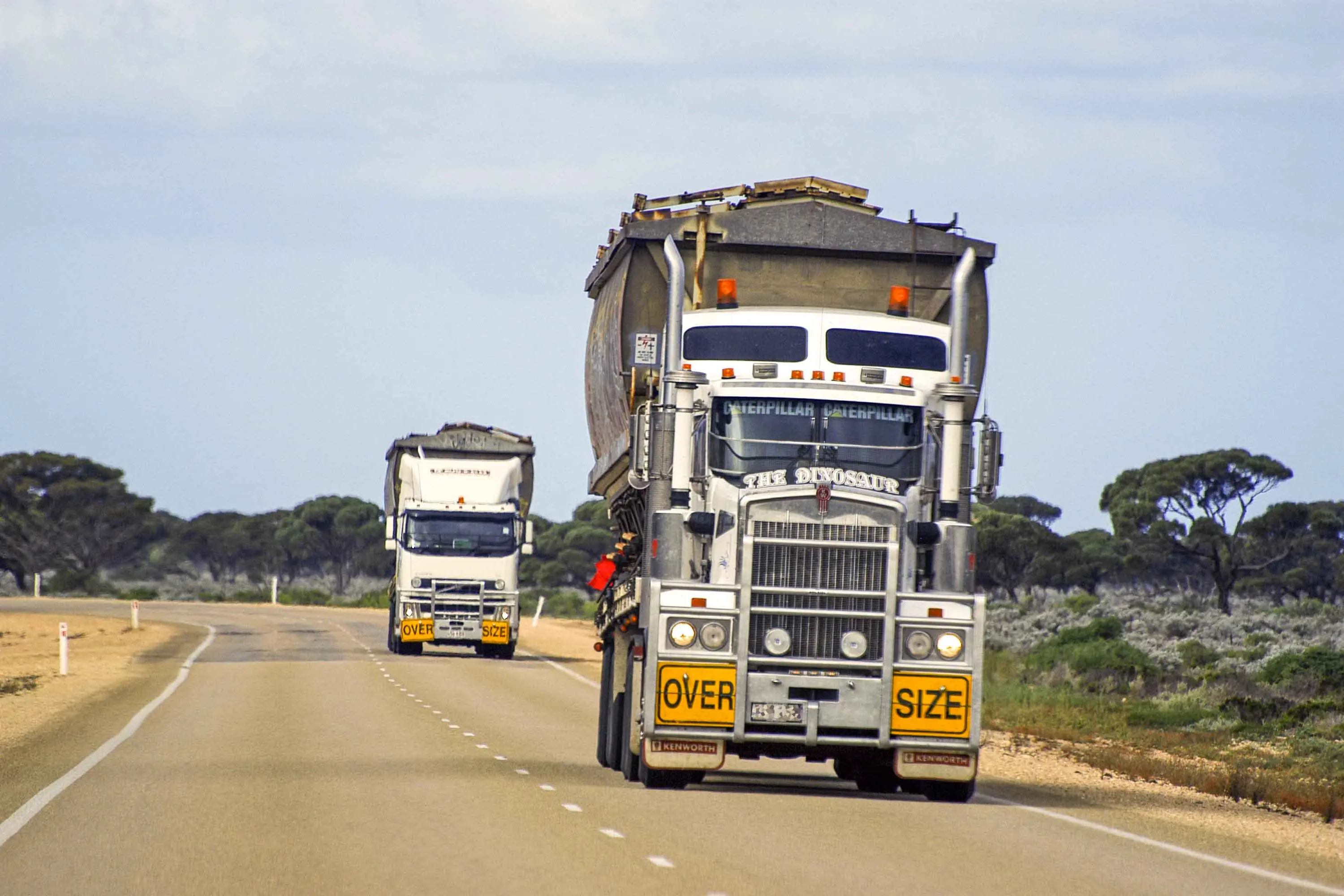
Under the new National Fuel Security Plan Level Two, increased access to road networks for larger trucks able to carry more goods, and eased restrictions on operating hours, are designed to help move more goods with fewer trips and less fuel.
New measures include adjusting load limits to freight to allow for bigger and longer freight to travel on our road network and, where applicable, to allow more freight to travel, load, and unload at night, while allowing flexible hours of operation and fewer curfews.
The new measures are intended to keep supply routes running across the state, especially in regional areas where viable alternative transport often does not exist, Minister for Roads and Regional Transport Jenny Aitchison said.
“Roads are the backbone of our supply chain and NSW is acting early to keep freight moving and reduce pressure on fuel supply; we know that when fuel supply is under pressure, regional communities feel it first and hardest,” Ms Aitchison argued.
“That is why we are taking practical steps now to keep freight moving efficiently across NSW; these temporary changes are about making sure more essential goods can get where they need to go, with fewer trips and less fuel,” she added.
The National Fuel Security Plan maps out a staged, coordinated, approach across all levels of government in response to the unprecedented shock to global oil and gas supply.
Use of longer articulated lorries can save at least 18 per cent of diesel per tonne of payload and carry 33 per cent more additional freight, Premier Chris Minns said.
“The conflict in the Middle East is disrupting global fuel supply and driving up prices, and that’s being felt here in NSW,” the premier stated.
“By allowing larger trucks and extending operating hours, we can move more goods around the state with fewer trips and less fuel,” he added.
These changes are about keeping goods moving across NSW, especially to regional communities, Transport Minister John Graham believes.
“By allowing larger trucks and extending operating hours, we can move more with less fuel,” Mr Graham said. “It’s a practical step to support supply chains and ease pressure on the system,” he concluded.