
PHOTO
Environmental and cultural benefits of traditional Aboriginal cool-burning practices could do wonders for the Australian bush, local film-maker, Jack Steele believes.
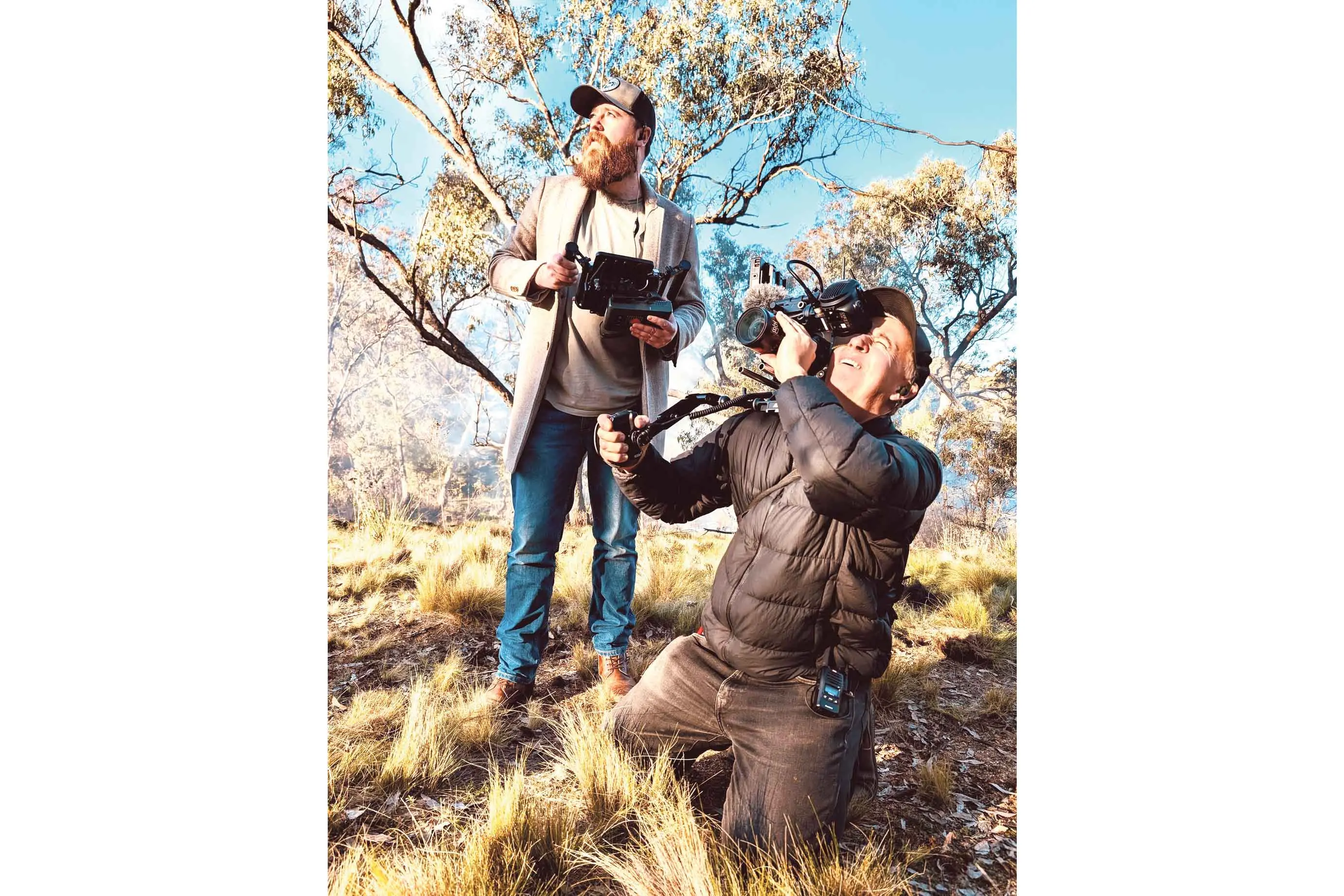
The former Orange Christian School student and cinema technician at the old Australia Cinema in Orange, has just had a big break with the recent release of his documentary 'Firekeepers: Flames of Renewal'.
The locally-produced film reveals the ways in which traditional Indigenous land-clearance methods using slow-burning, low-fuel fires, can help revive much of our degraded landscape, Jack told this masthead.
“In a nutshell, Australian needs fire as part of its regeneration practices, but the way it is done now with ‘prescribed burns’, it burns too hot,” Jack explained.
“This damages the seeds of native plants and you end up with weeds taking over, which means there’s a huge fuel load and hotter and hotter fires,” he added.
With fire clearing of land by local tribes observed and recorded by the earliest European settlers as they moved into Australia’s interior, the key was the unique method used; now described as “cool” or “cultural” burning.
“This uses no accelerants to start the fire, you burn off in small sections; it is labour-intensive, and takes longer, but the benefits are huge,” he said in describing the practice.
“For impact, it’s night-and-day, it brings back the Australian plants and regenerates the bush.”
Jack, in his doco, catalogues that it not only helps revive our unique native scrubland, but also assists with a whole range of other environmental outcomes.
“That also impacts our rivers because the regenerated bush helps regulate the flow of our waterways as well.
“This helps with native fish and other species that need stream flow not too fast or too slow,” Jack said.
The show follows members of the Orange First Nations community as they embark on a journey to preserve their ancestral knowledge and protect their land traditional cultural burning practices.
“I made this film at home, with my own community; that changed everything about how I approached it… getting to be part of bringing some of that back, even in a small way, means more to me than I can really put into words.
The knowledge-holders I worked with throughout this process were incredible… the things they carry, and their willingness to share them — that’s what the film actually is; I just pointed a camera at something that was already profound,” Jack enthused.
He said that this knowledge could help revitalise the Australian bush after 200 years of European farming, husbandry, and clearance practices that have altered it dramatically.
“We’re living through a moment where the land is under real threat, and the practices being kept alive by these fire-keepers aren’t a relic — they’re relevant right now.
“I’m really proud of this film; and I hope it’s the first of many stories like it, told by us, on our own terms.”
The 15-minute film screened last month on Network 10 and is also available for download over the coming months, Jack said.
“I made it with the help of the Orange Regional Arts Foundation and Orange Aboriginal Medical Centre and filmed it over two years,” Jack said.
“It was through my own company, Blackfeather Studios; that’s the totem (emblem) from my mum; her totem is the magpie.”