
PHOTO
The recent release of the 2025 national Aussie Bird Count results is good news for lovers of native wildlife: only one of the top 10 varieties identified – the Common (Indian) Myna – is an introduced pest species.
The latest figures represented a record-breaking year for the event held across one week each October, with more than five million birds counted nationally by 64,000 dedicated “twitchers” (bird-watchers).
Top of the tree for common birds seen most often in backyards, parks, and neighbourhoods around NSW included such well-known species as Rainbow Lorikeets, Australian Magpies, and Noisy Miners.
Not exactly beloved by many cyclists or strollers through our urban areas during nesting time in spring, the Australian Magpie swooped into top spot as the bird Australians saw most in the 12th year of the count.
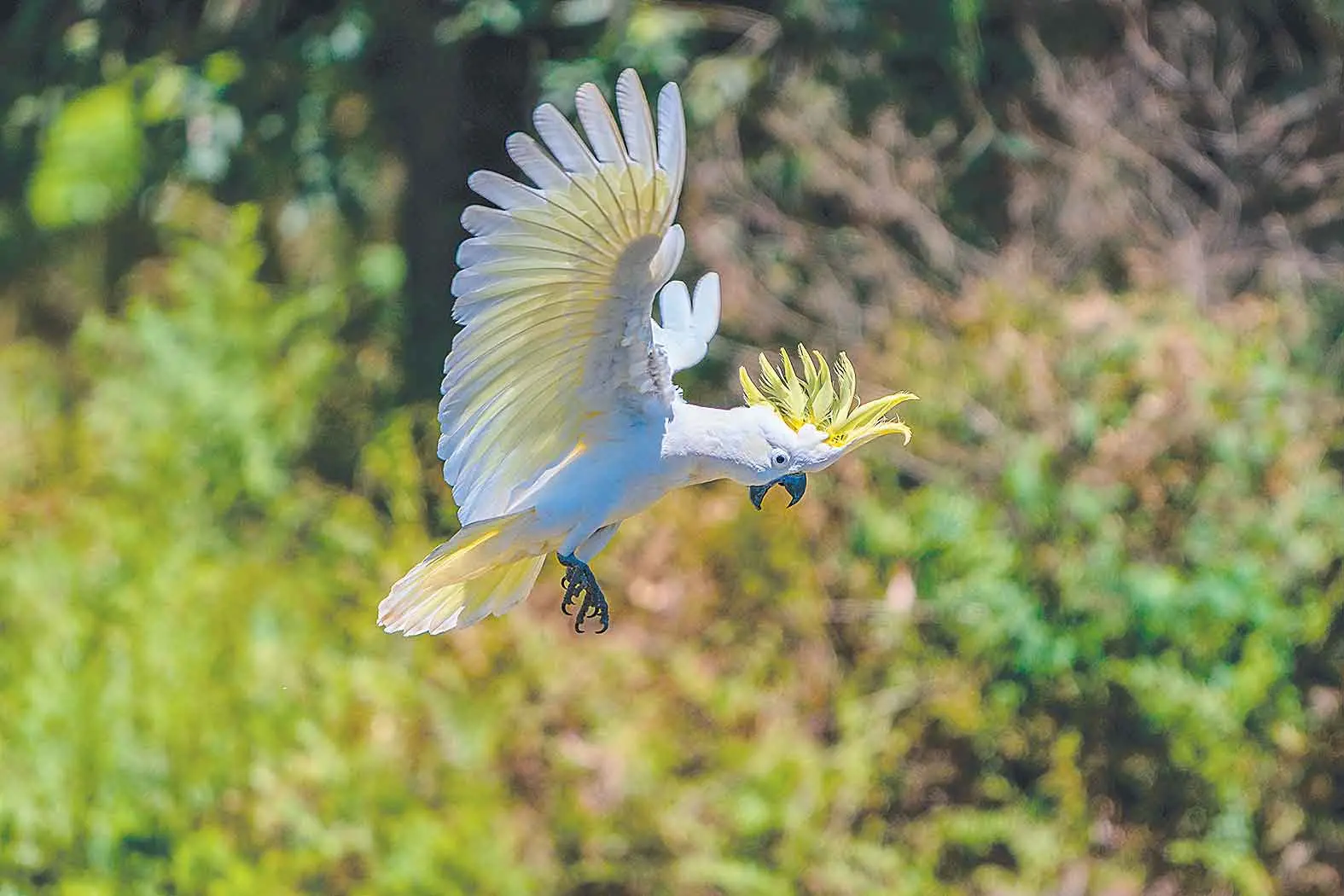
The Rainbow Lorikeet claimed second position on the list of our most commonly spotted species, ahead of the native Noisy Miner, the Sulphur-crested Cockatoo, and the Magpie-lark (Peewee).
As in previous years, the Rainbow Lorikeet was the most abundant bird counted due to regular sightings of colourful flocks.
“Because Rainbow Lorikeets are more social, hanging out in flocks, when we see them, we see more of them,” BirdLife Australia’s National Public Affairs Advisor (and chief bird-nerd) Sean Dooley revealed.
“But the magpie is the bird we encounter most often; every second person who did the count last year added a magpie to their list,” he added.
The only introduced species to appear on the list at No.10 was the “Common Myna” the preferred biological name of the “Indian Myna”, introduced in the late 1800s and notorious for being an invasive pest species.
Australia’s most commonly seen birds in the 2025 Aussie Bird Count:
Australian Magpie
Rainbow Lorikeet
Noisy Miner
Sulphur-crested Cockatoo
Magpie-lark
Galah
Red Wattlebird
Crested Pigeon
Welcome Swallow
Common Myna
Sightings were recorded in all corners of the country, even in far-flung territories of the Christmas and Cocos Islands and sub-Antarctic Heard Island. Most bird counts (around 70 per cent) were conducted in built-up areas, adding to a national snapshot of the birds sharing our increasingly urbanised world.