
PHOTO
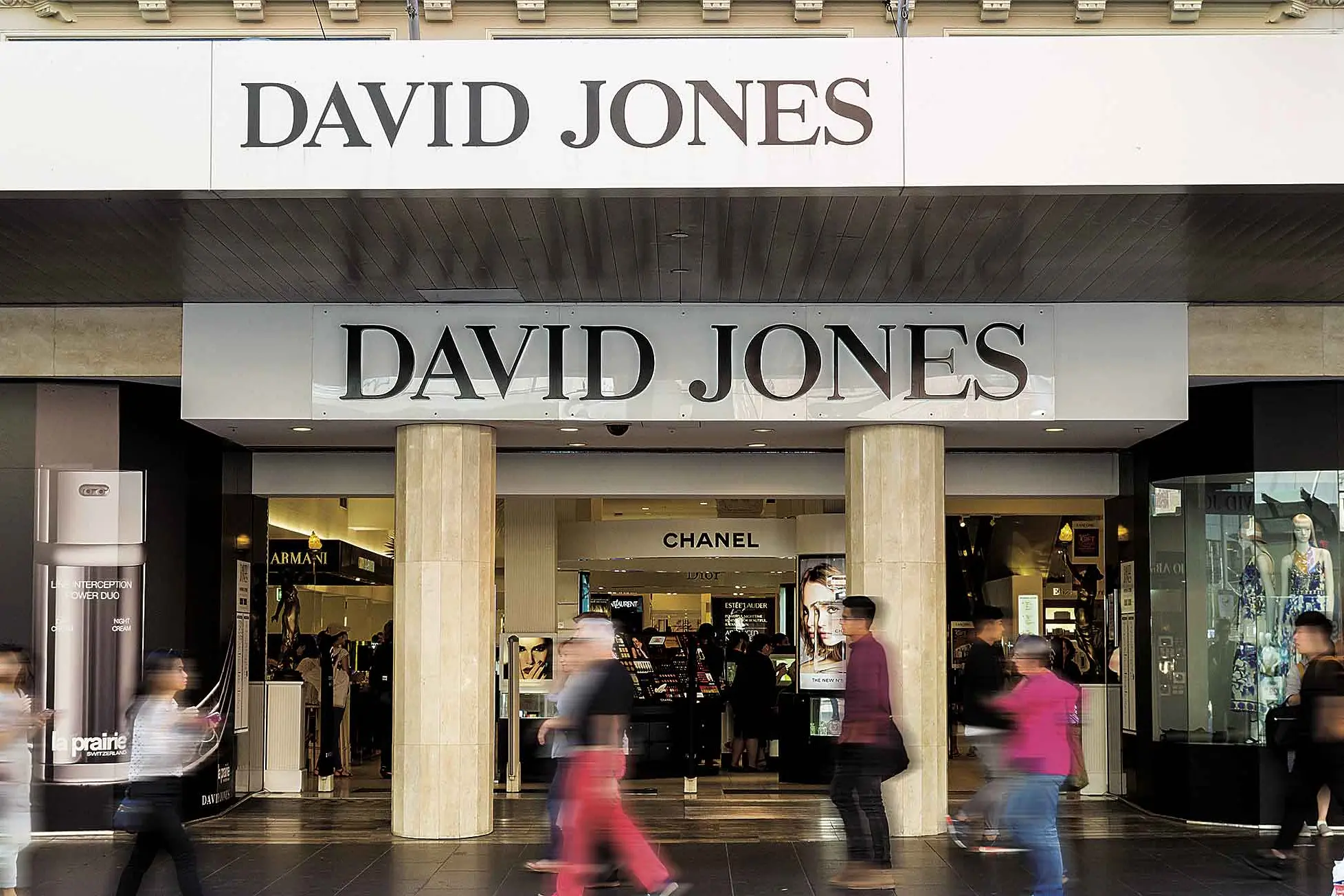
With the near-200-year-old Australian department store icon David Jones recently going into voluntary administration, fears that bricks-and-mortar goods retailing outlets may go the way of the horse-and cart are seen as increasingly inevitable.
However, an expert in the sector suggests that a brighter future may be possible through offering unique in-store experiences, rather than simply products.
Modern department stores can no longer compete on convenience alone and must increasingly differentiate themselves through personalised service and in-store experiences, RMIT (Royal Melbourne Institute of Technology) School of Fashion and Textiles Associate Professor Carol Tan says.
"Department stores are under growing pressure; online shopping has given consumers more purchasing options than ever before, leaving them less likely to visit a physical store,” Associate Professor Tan observed.
“The future of the department store may be less about selling products, and more about providing advice, expertise, and confidence,” she added.
She believes that, when customers visit a store, they often have a goal in mind, whether it’s preparing for a conference, holiday, job interview or another important occasion.
“The opportunity is to have knowledgeable staff who can act as advisors or stylists, helping customers navigate options across different brands and departments.
"Retailers also need to offer experiences that cannot easily be replicated online; that could include styling workshops, masterclasses and opportunities to learn directly from designers and product experts.”
These experiences, Associate Professor Tan contends, give customers a reason to visit a store rather than simply making a purchase.
"Department stores can also use their physical space more dynamically through pop-ups, residencies and short-term activations to introduce customers to new brands, designers and products they may not otherwise encounter,” she said.
“This adds value for everyone involved as customers discover new brands, brands gain access to physical space without committing to a permanent store, and retailers create reasons for shoppers to keep coming back,” she concluded.
In the end, she proposed that the retailers that succeed will be those that combine advice, experiences and discovery in ways that add value beyond the transaction.