
PHOTO
For many Australians, when you see the word "turtle" you think of the superhero Teenage Mutant Ninja Turtles, or the quirky Crush and Squirt from the movie Finding Nemo, or children's book characters such as Franklin Turtle and Dr Seuss's Yertle the Turtle.
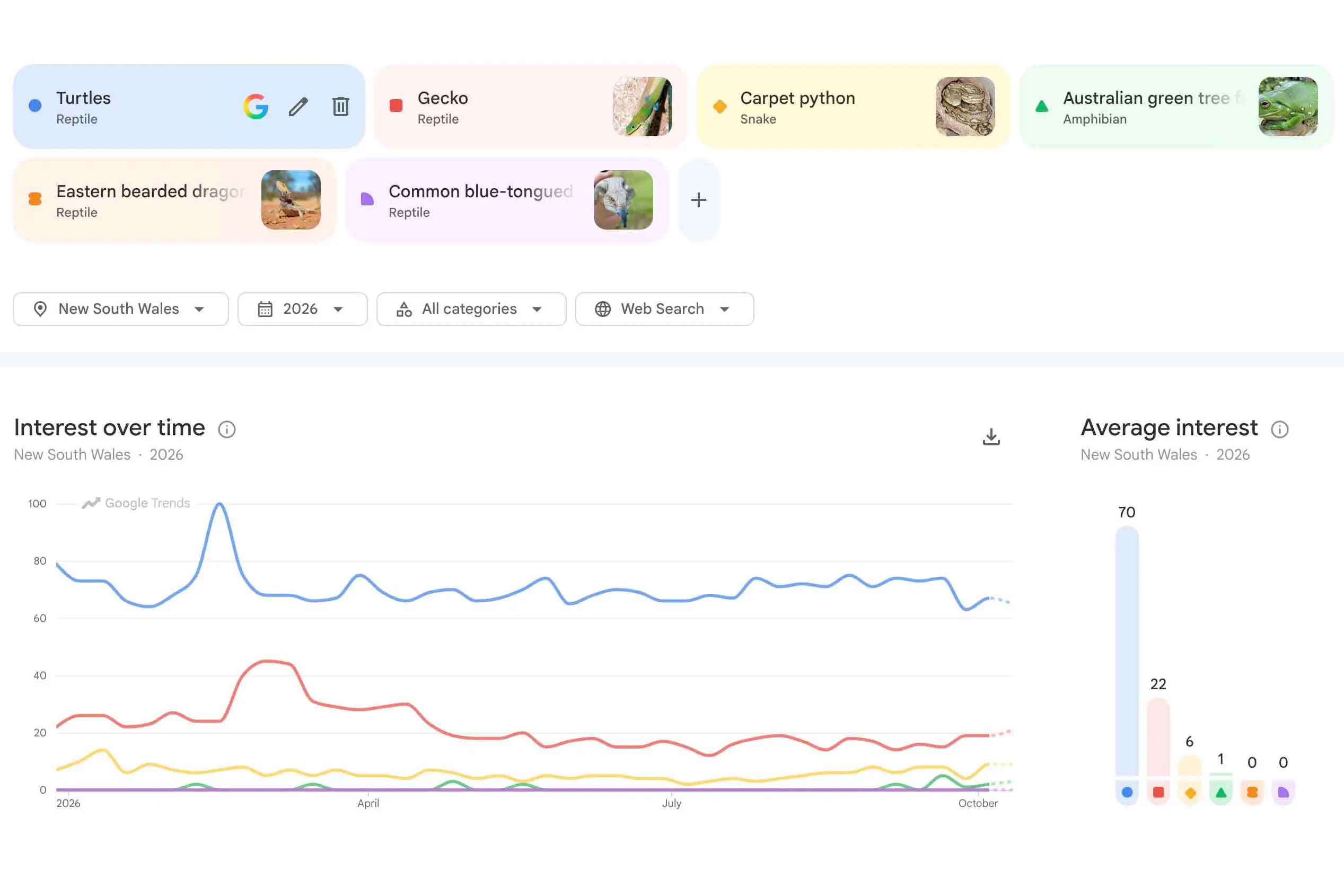
But a surprising number of people living in NSW think about having a turtle as a pet, according to Google Trends research. Search interest from people considering any reptile as a pet in 2026 has been highest for turtles, followed by the Gecko, Carpet Python, Australian Green Tree Frog, Eastern Bearded Dragon, and Common Blue-tongued Lizard.
There are currently over 23,000 licensed reptile keepers registered in NSW, and that number is growing. Back in 1988, there were only 1000.
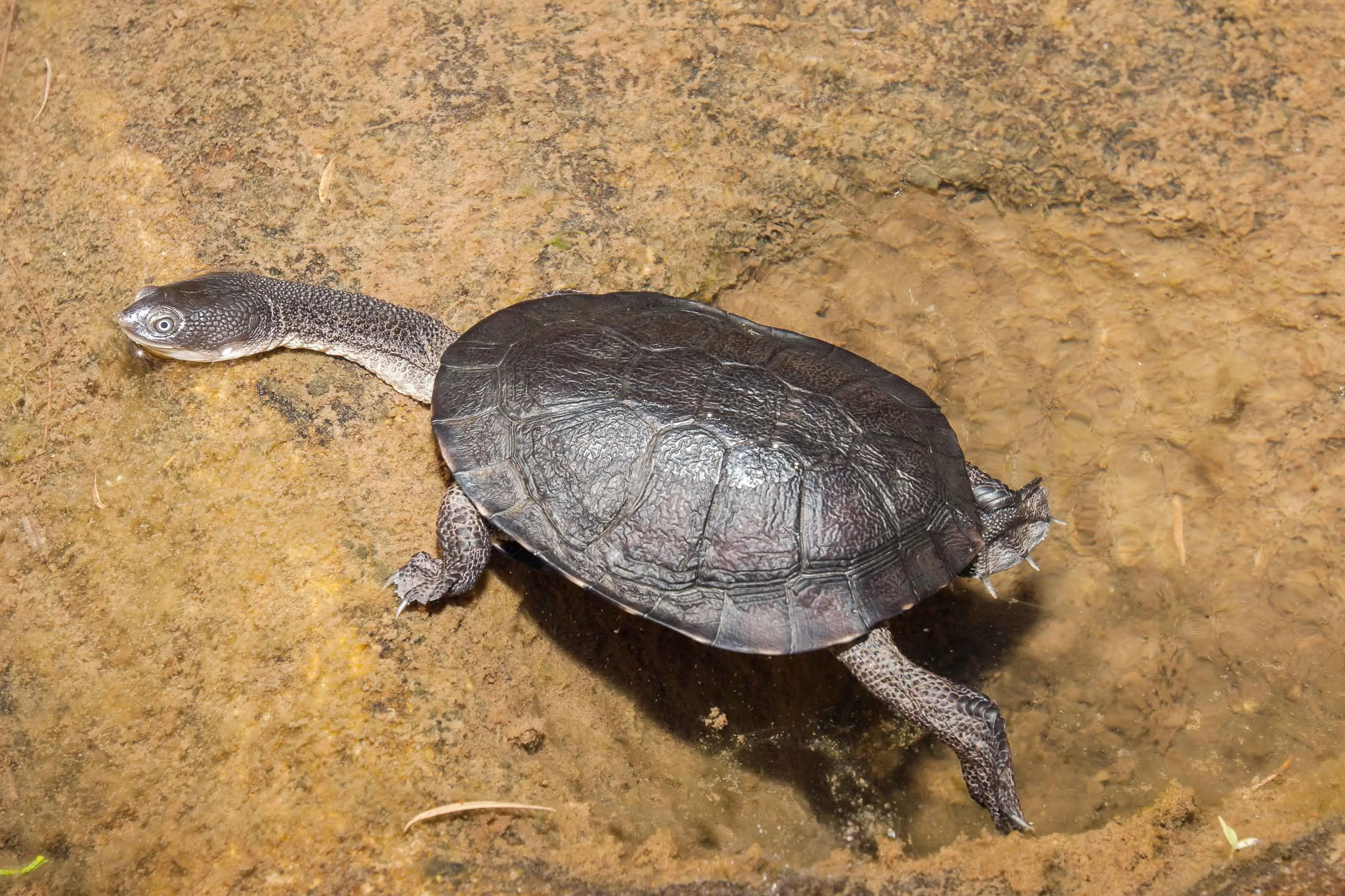
The two most common pet turtles are the Eastern Long-Neck and the Murray River Turtle.
According to Prof Bob Doneley, an exotic pet expert writing for the RSPCA, there are a few important things to consider before continuing your research into adopting a turtle.
In NSW, native reptiles are protected by law and they cannot be taken from the wild and kept as pets. You need a reptile keeper licence, even if you only have one turtle.
You also need to be ready for a long-term commitment because they are known to live for 50 years or more.
You'll need to allow some room, too. Veterinarian Dr Nicole Wynne says the rule of thumb with turtle enclosures is "the bigger the better".
"Turtles are notorious for fouling water," she writes for Pet Circle. "An adult-sized enclosure will save you money in the long run... If you invest in a high-quality tank, it will last you through the life of your turtle.
"Make sure you are comfortable and happy with where your tank is located, as once it is all set up and full of water it will be very difficult to move!" she adds.
So why do people choose a turtle as a pet?
For many owners the answer is a simple one: they're fun and fascinating to watch as they swim, bask and feed. It can be a calming, meditative experience.
They're also low maintenance compared to dogs. They don't need constant attention, they can be left at home safely while you're at work, and you don't need to walk them!
If allergies from dog and cat hair are a concern, turtles are considered a good alternative for people with pet-related allergies.
According to the RSPCA, "There are a wide range of sources from where you can obtain a turtle, but you must not take them from the wild, nor are you allowed to release a pet animal to the wild.
"If your turtle outgrows their home or your circumstances change and you can no longer care for the turtle, contact an organisation such as the RSPCA which may be able to assist in re-homing."
It's also quite common to have just one. They are not a social animal so you don't need to buy two to keep each other company. "In fact, in the confines of a tank, aggression between two turtles is common, especially as the dominant turtle often grows faster and larger than the other," the RSPCA says.
Finding a local veterinarian experienced with reptiles is a useful next step, particularly when planning for a pet that may share the household for decades.
While the Google Trends data shows turtles have been the most researched reptile in 2026, when it comes down to the final decision, NSW reptile lovers are choosing other options instead. The Australian Museum names the Eastern Blue-Tongue Lizard and Children's Python as being more popular in the home.
* This content is part of a paid partnership with Google to promote Google Trends.