
PHOTO
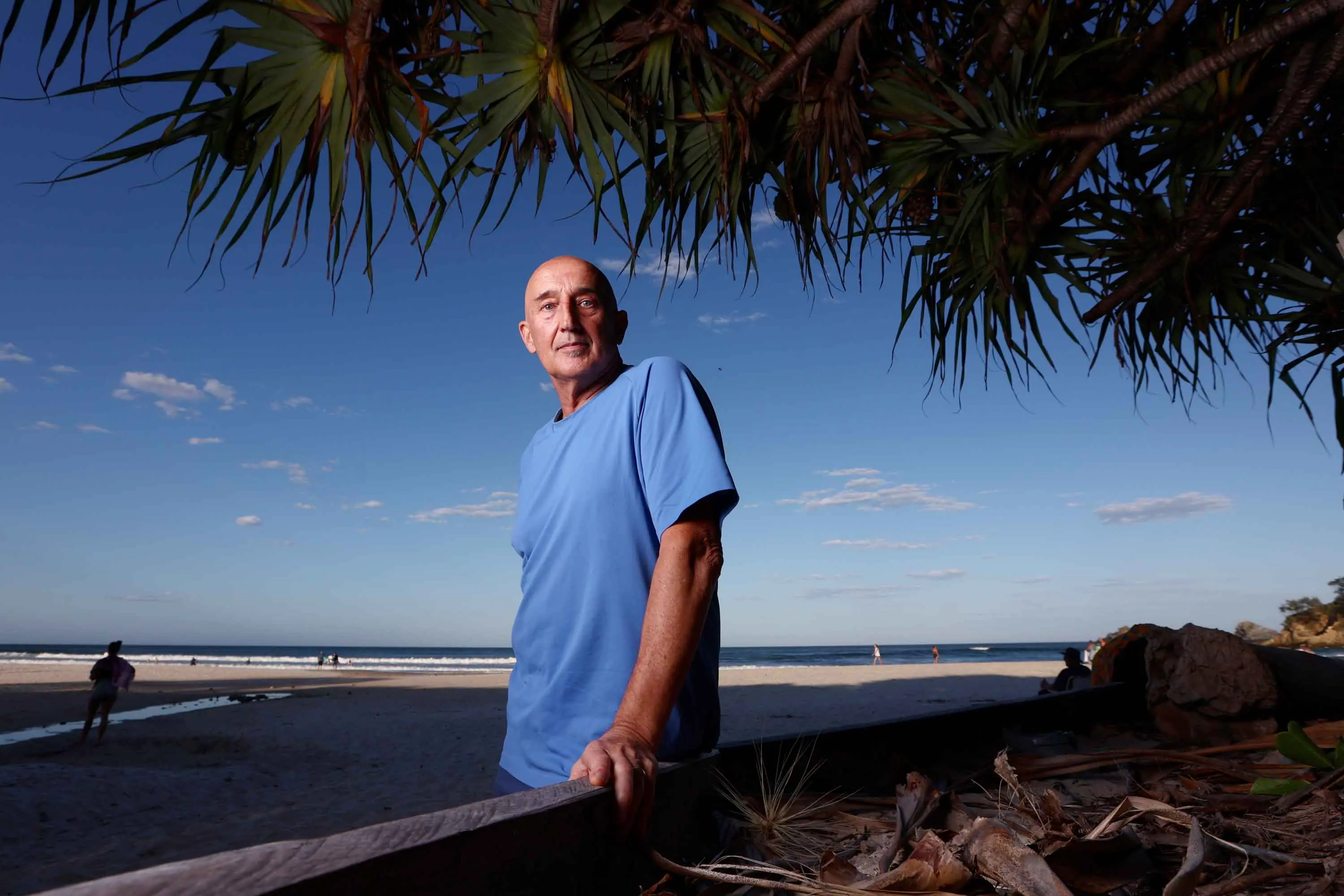
Days after his wife and two young daughters were taken from him in the Port Arthur massacre, Walter Mikac sat down with a grief counsellor he wasn't sure he needed.
Reeling from the shock of losing Nanette, Alannah and Madeline, he was barely able to contemplate what life might look like without them, let alone whether talking to a stranger could help.
The counsellor, a Church of Christ minister trained in trauma counselling, was not someone Mr Mikac imagined he would connect with.
But he quickly became an integral part of his grief journey.
"He just made so much sense and he was just such a gentle man that, over the years, he became my sort of mentor," Mr Mikac tells AAP.
He remained in contact with the counsellor for about a decade, turning to him for guidance on everything from everyday challenges to navigating new relationships.
Thirty years later, Mr Mikac believes early intervention was crucial to his ability to rebuild a life after unimaginable loss.
"You can have all the support from your family but there are deep, dark things and things that you can't share with your family," he says, elaborating that he could never tell his loved ones what he saw that day.
The Port Arthur massacre, in which 35 people were killed, became the catalyst for sweeping changes to Australia's gun laws.
But it also highlighted the importance of supporting people through devastating loss.
That same year, Grief Australia began providing specialist education and bereavement support.
Three decades on, the organisation is advocating that free specialist counselling available to Victorians be extended across the country, arguing access to support should not depend on where someone lives.
As its patron and someone whose story is woven into the national consciousness, Mr Mikac is championing the call.
"I know what it is like to have your world shattered in an instant," he says.
"In those moments, grief support is not a luxury."
Grief Australia chief executive, psychologist Christopher Hall, says Australia's understanding of grief has evolved considerably since Port Arthur, when the emphasis was largely on trauma and post-traumatic stress disorder rather than bereavement itself.
Sudden, violent or unexpected deaths can leave people particularly vulnerable to serious psychological distress.
But even deaths occurring in more ordinary circumstances can result in grief that becomes profoundly debilitating.
Mr Hall says about 90 per cent of bereaved people do not require specialist clinical intervention, instead navigating their loss with the support of family, friends and community.
For the remaining 10 per cent however, grief can develop into what is known as prolonged grief disorder.
Unlike the painful but fluctuating emotions that accompany most bereavements, the condition involves persistent, intense distress that can prevent people from returning to work, maintaining relationships or imagining a meaningful future.
"This person is not talking about good days or bad days," Mr Hall tells AAP.
"They're talking about it always being bad, about the pain being kind of central."
The condition can be diagnosed when severe symptoms persist six or 12 months after a death, depending on the diagnostic framework used, and continue to interfere with everyday life.
Mr Hall says some people are particularly vulnerable because of their personal circumstances, attachment to the deceased or existing mental health difficulties.
Others struggle to make sense of a death, particularly when it involves a child, suicide, violence or an unexpected tragedy.
No simple formula can predict who will struggle.
Even someone who has watched a loved one deteriorate through a long illness can experience their death as sudden and profoundly traumatic.
And while grief itself is not something to be cured, prolonged grief disorder can respond to specialist treatment.
Mr Hall says people with complex bereavement needs often experience significant improvements in their quality of life after just eight or nine counselling sessions.
Yet access to that support varies dramatically across Australia.
Victoria is the only state that funds a universal, free specialist bereavement counselling service through Grief Australia.
Although Grief Australia operates nationally, its Victorian government funding does not extend to offering the same free service to residents elsewhere.
Every week, dozens of Australians outside Victoria contact the organisation seeking help they would receive free if they lived across the border.
Grief Australia wants federal funding to roll out specialist services nationwide, alongside better training for frontline workers and greater recognition of bereavement in health and workplace policies.
It argues Australia's response to grief is also falling short in the workplace.
Under national employment standards, full-time and part-time workers are entitled to just two days of paid compassionate leave following the death of an immediate family member, including a child.
Casual employees receive two days of unpaid leave, a measure Mr Hall calls "patently absurd".
The minimum entitlement compares with the 12 to 14 days in France and 20 days in Portugal.
Mr Hall says the Australian policy reflects an outdated expectation people should quickly return to normal after a death.
Until national policies change, he says employers have a particularly important role in supporting bereaved staff.
Simple measures such as allowing flexibility, recognising the administrative demands following a death and discussing an employee's needs before they return to work can make an enormous difference.
And there are benefits for employers too.
"What we do find is when employers do it well, they end up with an employee who is incredibly appreciative but also is retained within work," Mr Hall says.
For Mr Mikac, grief support can be the difference between "coping and falling apart".
"Thirty years after Port Arthur, I know that grief stays with you," he says.
"A national approach to bereavement support would ensure more people can find hope, connection and a path forward after devastating loss."