
PHOTO
River crossings were an essential piece of infrastructure as settlers gradually headed west to settle western NSW.
However, in the early 1860s, there were still no bridges across the Macquarie River at Dubbo, with a Mr Charles Lloyd Purvis operating a punt and ferrying service, charging 1/- (one shilling, about $20 in today’s terms) per head to ford the river.
In 1861, the NSW Legislative Assembly first discussed the cost of building a bridge, rather than investing in a newer punt system across the Macquarie. By 1864 the Legislative Council voted for £7000 to erect a bridge across the river.
The Government Gazette reported on April 27, 1864, that a tender for the bridge had been accepted by Andrew McCauley.
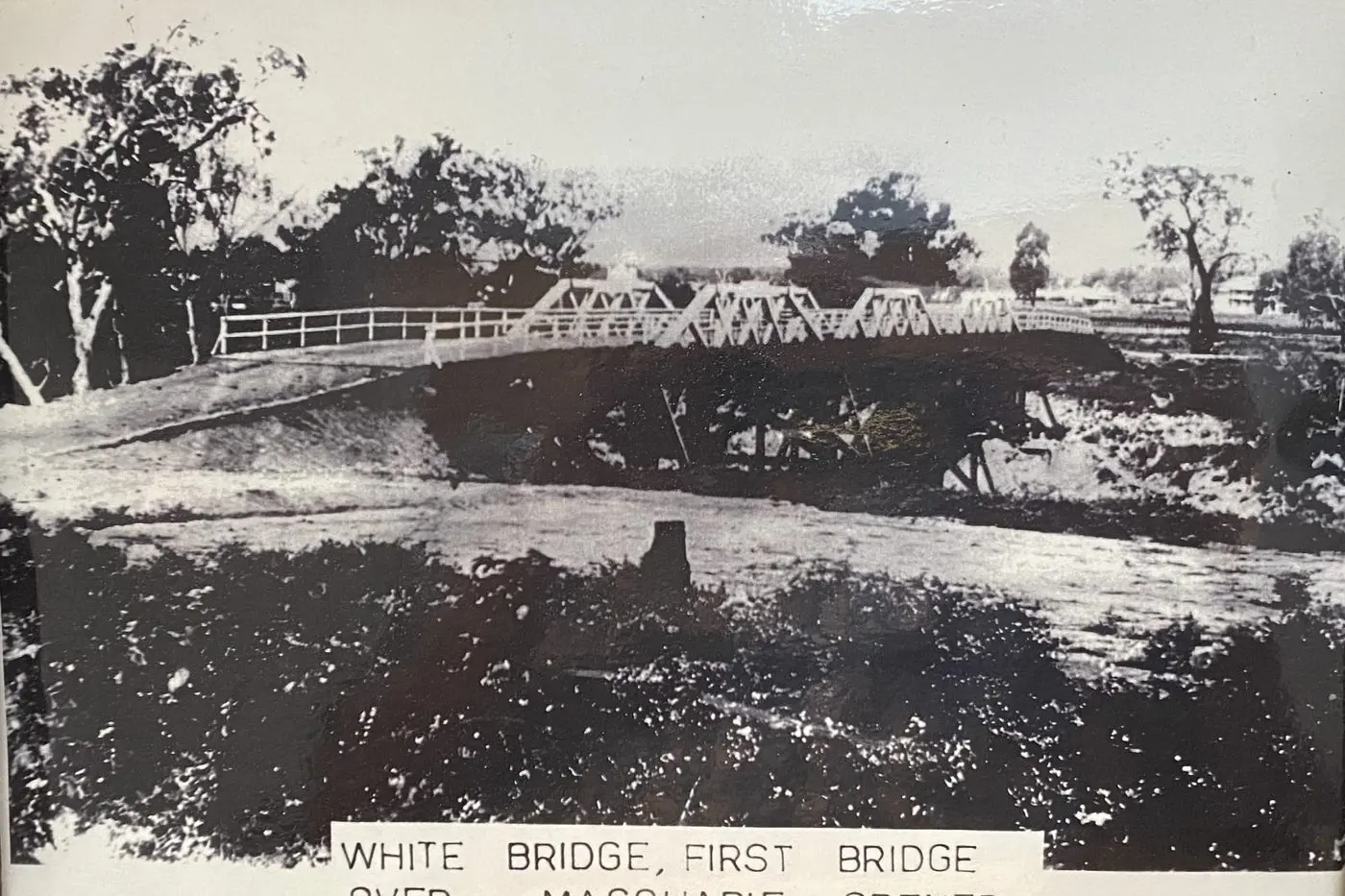
The bridge, spanning the river from the foot of Bultje Street, was opened amid much fanfare on May 24, 1866. It was opened and christened twice on the same day with a Mrs Serisier and Miss Carroll representing the ladies of Dubbo, naming it the “Oxley Bridge”.
The Royalist faction of the town, however, declared the name of the bridge as the “Albert Bridge”, after Queen Victoria’s consort, Prince Albert. Interestingly, this toll bridge became known generally as the “White Bridge”. By 1871, and with much public protest including burning of effigies of politicians, the toll was removed.
In 1905 a new bridge was constructed across the Macquarie in the same location at the foot of Bultje Street and it retained the name of "The White Bridge". Ultimately replacing it, was the LH Ford Bridge, that opened on September 26, 1969.