
PHOTO
As the warmer weather approaches, health authorities are urging those in high-risk regional areas of NSW to protect themselves against the threat of Japanese Encephalitis Virus (JEV).
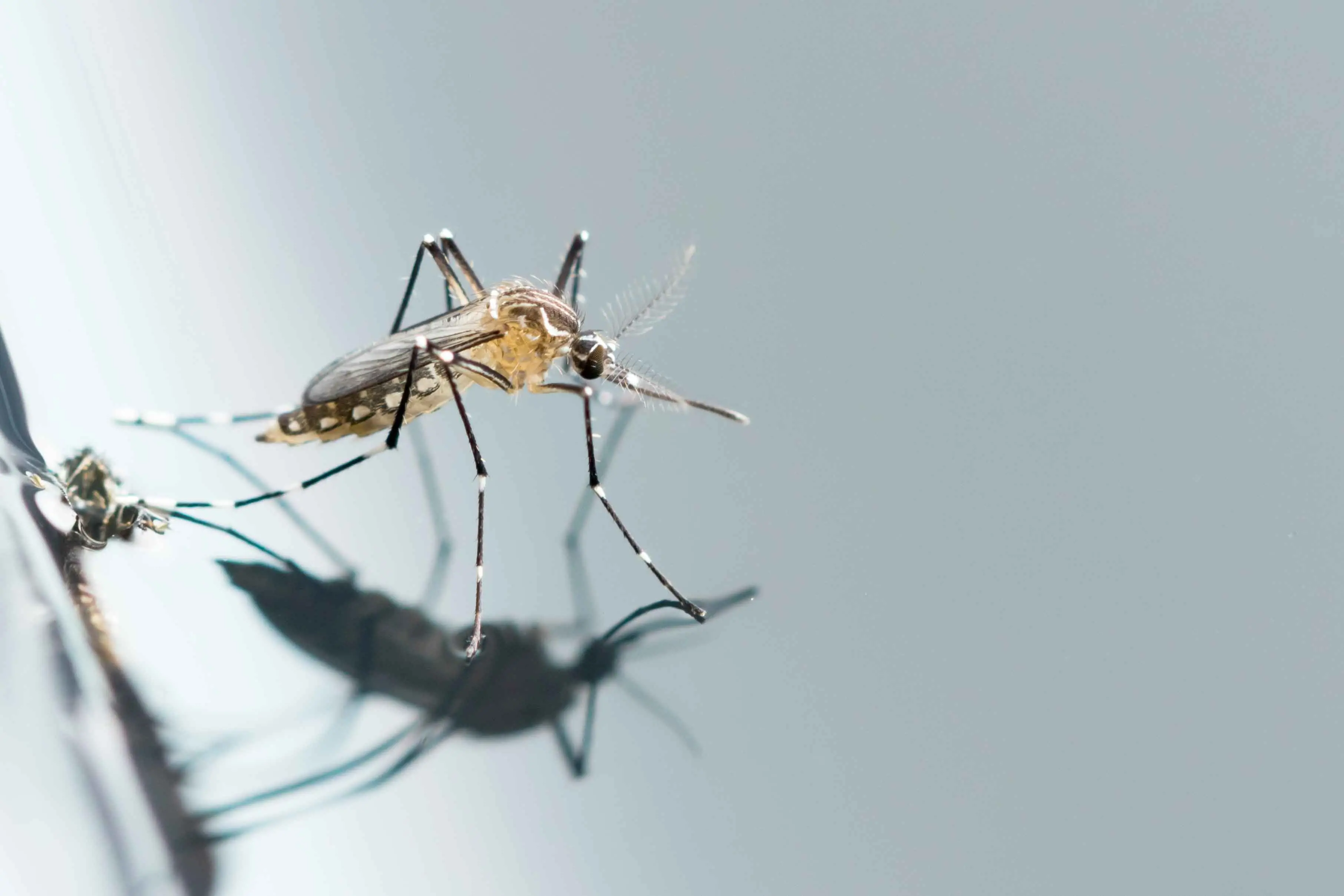
Spread to humans through the bite of an infected mosquito, which typically picks up the virus after feeding on infected pigs or waterbirds, areas such as Dubbo, Gilgandra, Narromine, Warren, Forbes, Orange, and Parkes among the high-risk zones in NSW.
Most people infected with JEV have no symptoms, but some may develop fever, headache and vomiting five to 15 days after being bitten by an infected mosquito. In rare cases (about 1 in 250), the infection becomes severe, causing symptoms such as neck stiffness, disorientation, seizures or paralysis.
“People who work outside, or are regularly active in the high-risk areas, as well as those working and or living close to piggeries, are at higher risk of contracting JEV,” Managing Partner at Orana Mall Pharmacy, Lisa Gibson, said.
“Regional NSW is in the high-risk zone. We really encourage people to protect themselves.”
In NSW, a free JEV vaccine is available to those aged over two months who live or work in any of the high-risk Local Government Areas (LGAs) or are travelling to the LGAs for outdoor recreation until January 31, 2027. NSW Health encourages people to have a chat to their local GP or pharmacist to determine their eligibility for the free vaccine.
“Once fully vaccinated, it can take two to four weeks for your body to develop a protective immune response to the disease, which is why it’s important for those working, living or visiting in any of the LGAs of concern to consider the vaccine,” Lisa said.
Further information about the Japanese encephalitis high risk areas in NSW and how to get the vaccine can be found online at www.health.nsw.gov.au/jevaccine.