
PHOTO
People living in regional, rural and remote NSW have had to settle for less healthcare for far too long – and the Country Women's Association (CWA) of NSW says it's time to stop "accepting the unacceptable".
Launching its 2026 Awareness Week campaign, which ran from September 6-12 and with the theme "Stop normalising the rural health crisis. Start fixing it", the Association called on the NSW Government to commit to practical reforms that deliver better healthcare closer to home for people living in regional, rural and remote NSW by supporting the adoption and implementation of The Rural Health Action Plan.
Authored by Dr Joe McGirr, GP and Independent Member for Wagga Wagga, the Plan is a roadmap for turning things around through simple, common-sense reforms that put people first and redirect funds to be more effective, and was built from the recommendations of a major parliamentary inquiry by the NSW Legislative Assembly Select Committee on Remote, Rural and Regional Health.
The Plan is designed to ensure:
• Every rural community has access to a local GP and flexible team-based primary healthcare
• Restoration of maternity services so more women can give birth closer to home
• Building of permanent rural health workforces rather than relying on costly short-term locum doctors
• Local communities have a greater voice in decisions about their health services
• Establishing an independent Rural Health Commissioner to improve accountability
• Better integration between hospitals, general practice, councils and community health services.
The Association’s call follows findings from its own Annual Women's Survey in 2025, which identified access to healthcare as one of the biggest issues affecting women across the state. Respondents highlighted ongoing shortages of local GPs, closed patient books, lengthy waits for specialists, rising out-of-pocket costs and the increasing burden of travelling long distances simply to access basic healthcare.
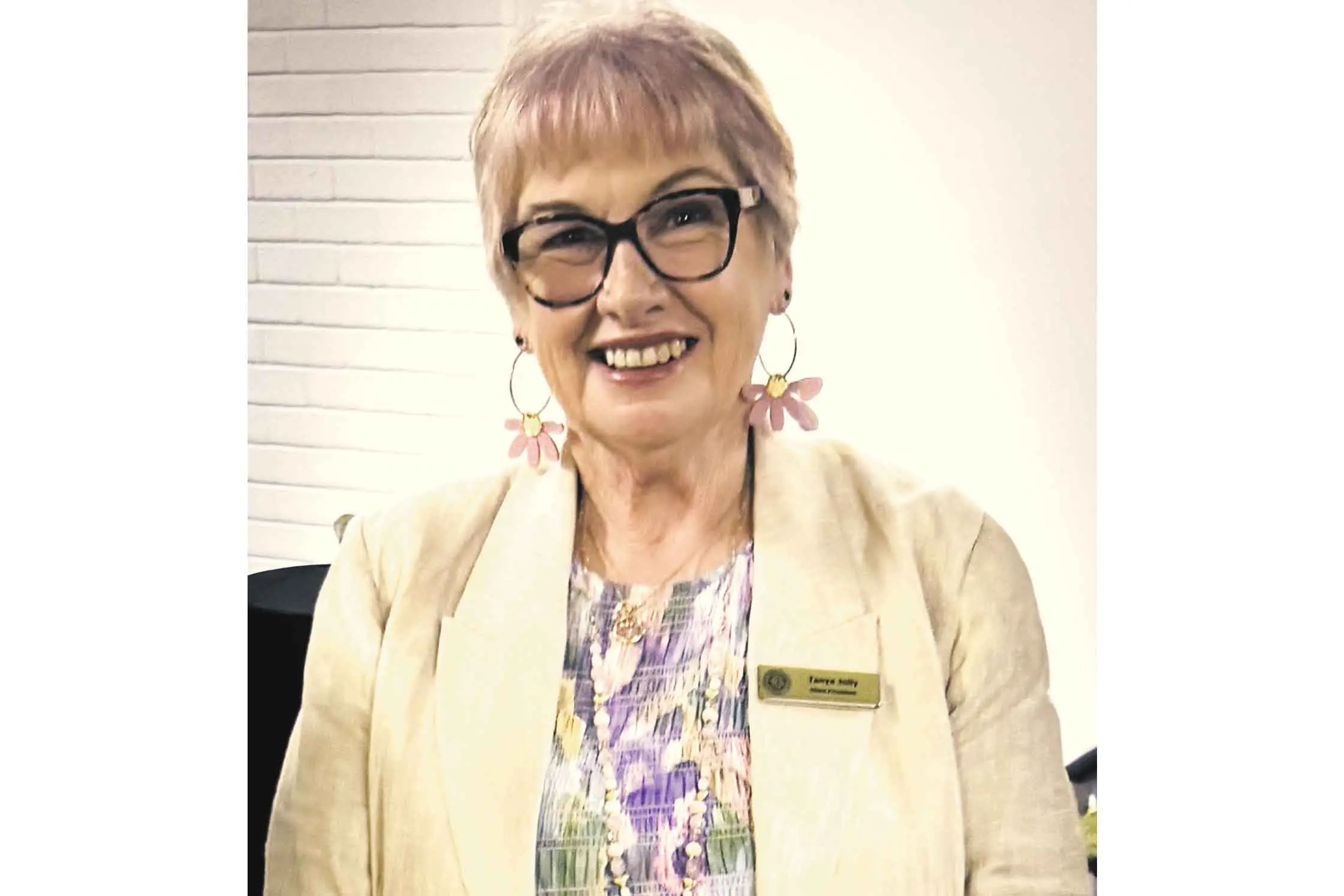
CWA of NSW State President Tanya Jolly said these experiences have become so common they are now being treated as normal.
"Communities have become conditioned to accept these changes as inevitable and we refuse to accept that,” Ms Jolly said.
“For thousands of families outside metropolitan NSW, accessing healthcare has become increasingly difficult.
"People in regional and rural NSW deserve the same timely access to doctors, hospitals and essential healthcare services as anyone living in Sydney. Where you live should never determine the quality of healthcare you receive," she added.
Rather than calling for "another review", the Association urges the NSW Government to implement practical reforms already identified through Dr McGirr's Rural Health Action Plan.
During CWA Awareness Week, branches encouraged members, communities and decision-makers to support practical action that delivers better healthcare for regional, rural and remote communities, and an ongoing call to the NSW Government to convert the Royal Flying Doctor Service's one-off $15 million grant for 2025–26 into ongoing annual funding to enable the service to sustain its rurally based, essential health and medical teams, aeromedical bases and community-based health services.
"This isn't about asking for something extraordinary – the solutions already exist. It's about ensuring quality healthcare is available regardless of your postcode. Every family deserves that," Ms Jolly said.
"The rural health crisis has been normalised for too long. It's time we stopped accepting it – and started fixing it."