
PHOTO
It’s highly unlikely that most Central West transport businesses – already struggling with high interest rates and petrol prices in a tough economic environment – had long-term closure of the main western road route to and from Sydney on their 2026 bingo cards!
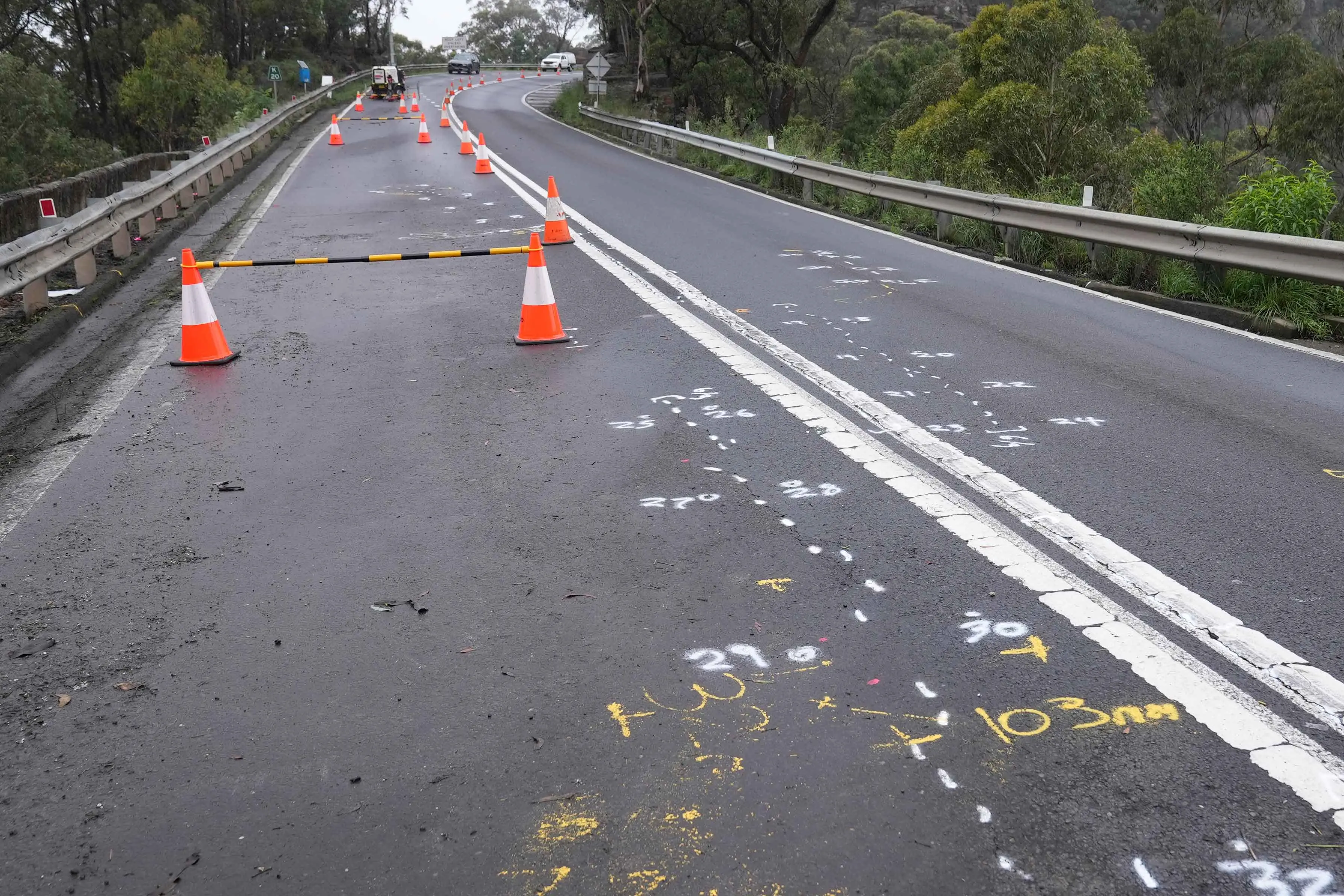
Yet that’s the fate local commerce now faces with confirmation last week of at least a three-month closure of the Great Western Highway at Victoria Pass after serious cracks were found in a nearly 200-year-old convict-built bridge on the thoroughfare.
Regular travellers on the road would already have been aware of consistent night-time work of the pass over recent months as structural engineers sought to keep traffic flowing.
For the principal of local freight company Transforce, Steve Fieldus, however, the closure was a bolt out of the blue, with most people assuming that increasing nightly closures of the pass were just routine maintenance.
Travellers on the alternative Bells Line of Road – that was, ironically, largely built by American construction teams in World War II as an alternative route west – have reported serious logjams at Lithgow.
“It’s definitely causing some issues for local transport; we’ve got around six trucks a day crossing the mountains,” Mr Fieldus said.
“We’re going up the Bells Line and getting up the top of Bell village, and then across to Katoomba on a road called ‘The Causeway’; given the traffic, it’s adding around one-and-half hours to the trip,” he added.
With the added burden of the fuel shortages from the war in the Middle East, he describes current conditions as “challenging”.
“We’re trying to lessen the impact on what it’s doing impacting additional travel times and a bit extra fuel as well. Transport currently is very challenging, and it’s challenging for our community as well,” Mr Fieldus emphasised.
He said the company is highlighting the importance of careful driving in these conditions to its drivers at all times.
“Our priority is the safety and well-being of our drivers and the community too, this has been very hard on Lithgow as well, don’t forget,” Mr Fieldus said.
“We had no idea the closure was coming, it came right out of left field, really,” he concluded.
With the uncertainty around repair works, the closure affects 12,000 daily vehicle movements projected to cost the Central West and Blue Mountains region billions with some local businesses already reporting a 75 per cent drop in revenue.
Reports are that, while the traffic is moving relatively smoothly on the route, the turn-off at Dunns Corner on the intersection of Main Street and the Great Western Highway, is a constant bottleneck.
While the government has not yet responded to calls for the closure to be declared a natural disaster, they have established both an Incident Management Team and a Freight Supply Chain Group to coordinate across agencies and industry.
This includes extra free rail and bus services – including 12 daily free "turn-up-and-go" coach services between Bathurst and Katoomba – along with support for heavy vehicle detours.
Freight and transport disruption has seen hundreds of trucks, including those servicing Dubbo, being diverted, leading to increased fuel costs, reduced trip frequency, and significant delays for regional logistics.
Maintenance crews are actively monitoring and patching detour routes to handle increased traffic volume, with weekly briefings being held through the Freight Supply Chain Group to assist heavy vehicle operators with amended permits and alternate routes like the Hume or Golden Highways.
Premier Chris Minns has stated that immediate compensation is not currently planned as funds are prioritised for emergency repairs.