
PHOTO
Along with housing and transportation, food is one of the biggest expenses for most households – and rightly so! If your grocery bills seem to be constantly increasing, you can try a few smart ways to save. Here are some proven tips.
Choose unaltered foods
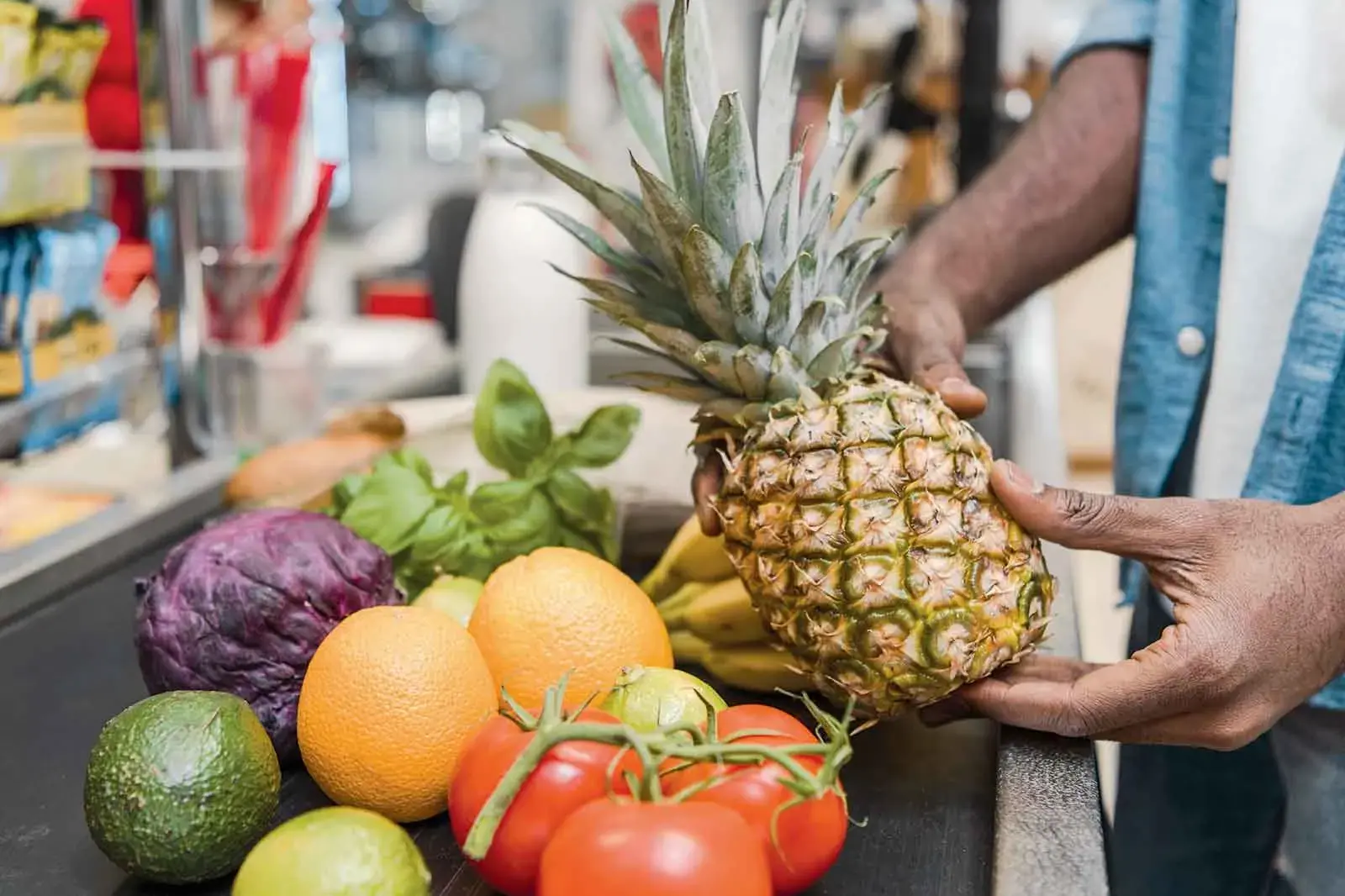
Instead of buying convenience items, such as pre-cut vegetables or grated cheese, opt for them in their original form. Prepared or modified products can easily cost several more dollars than their unaltered counterparts.
Plan around current discounts
Take a few minutes to browse store catalogues and search for online promotions to find the week’s specials and deals. These resources will help you find the best places to shop, even if it means making an extra stop.
When you know what’s on sale, you can build a focused shopping list and stick to it. Many mobile apps also show you the best prices for the items you’re looking for.
Always eat before you leave
This one may seem obvious to some: never shop on an empty stomach. Satisfying your appetite before you go grocery shopping will prevent you from making impulse purchases, which can quickly drive up your bill.
Watch out for fake deals
In many supermarkets, it’s not uncommon to see reduced price signs in bright colours and bold text. But don’t be fooled! Compare the price per weight or unit with similar products. You’ll often find that the so-called bargain isn’t really cheaper at all.
Be open to substitutions
Canola oil is often cheaper than olive oil, as is store-brand mayonnaise compared to the name brand version. Small substitutions like these can add up to big savings over time.
Cook and store as much as possible
Ready-to-eat meals save time when you’re in a hurry, but they cost a lot more than home cooking. You’ll quickly see that buying all the ingredients and cooking your meals from scratch reduces your expenses.
Consider cooking larger portions and freezing individual servings. This will ensure you have quick, homemade meals ready on busy days.
Eat less meat
Plant-based proteins like tofu, tempeh and legumes are often much cheaper than meat. Replacing animal proteins with these options from time to time keeps your meals varied, nutritious and, above all, easy on your budget.
Remember that the goal isn’t to deprive yourself, but to make informed choices based on your needs, tastes and means. Happy grocery shopping!