
PHOTO
Some of our greatest environmental disasters from introduced species have come from thoughtless actions, good intentions, or downright malicious intent.
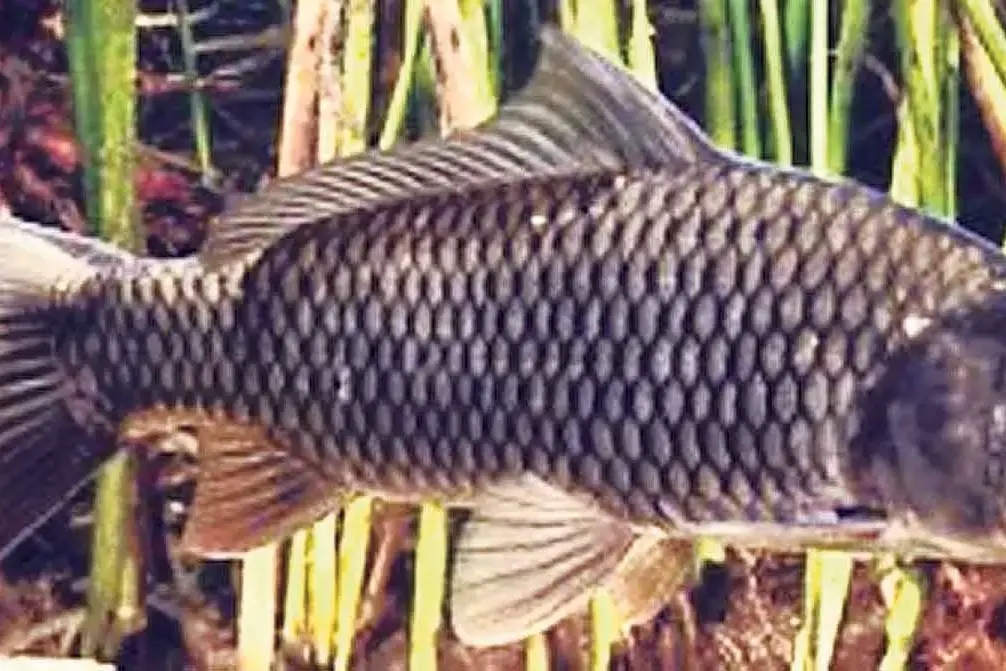
It’s hard to tell which category the introduction of the Boolarra strain of common carp (Cyprinus carpio) in the mid-1960s fits into. One thing is sure, however: In a few brief decades it has wreaked catastrophic impacts on the riverine eco-systems of south-eastern Australia.
Experts are also almost certain that the stock of fish from which this ecological calamity originated, came from a commercial fish farm in Boolarra, Victoria, which was breeding them for aquaculture.
Around 1964, the Boolarra strain escaped — or was intentionally released, many believe — from Lake Hawthorn, a lake near Mildura, into the Murray River.
This specific strain was highly invasive and, paired with widespread flooding in the 1970s, quickly spread throughout the entire Murray-Darling and Macquarie systems, becoming the most abundant large freshwater fish in the region.
After cross-breeding with a number of other carp varieties, including feral Koi, the Boolarra strain is now considered a "perfect" invader due to biological advantages including a high reproductive rate, high-adaptability through being capable of surviving in poor-quality quality water with low-oxygen levels and in a wide range of temperatures (5–32°C), plus an ability to live for many years, and grow to over one-metre in length, with virtually no natural predators.
Their damage includes sucking up bottom sediment and destroying aquatic plants, leading to increased water turbidity (muddiness) and loss of habitat for native fish; causing bank erosion; contributing to algal blooms by recycling nutrients from sediment; and replacing native species by altering the environment to suit their own needs.
Control efforts include manual removal which has had limited success, with the exception of specific, intensive efforts in Tasmanian lakes. Future control projects under the National Carp Control Plan (NCCP), include future release of the Cyprinid herpesvirus 3 (carp virus) as a biological agent.