
PHOTO
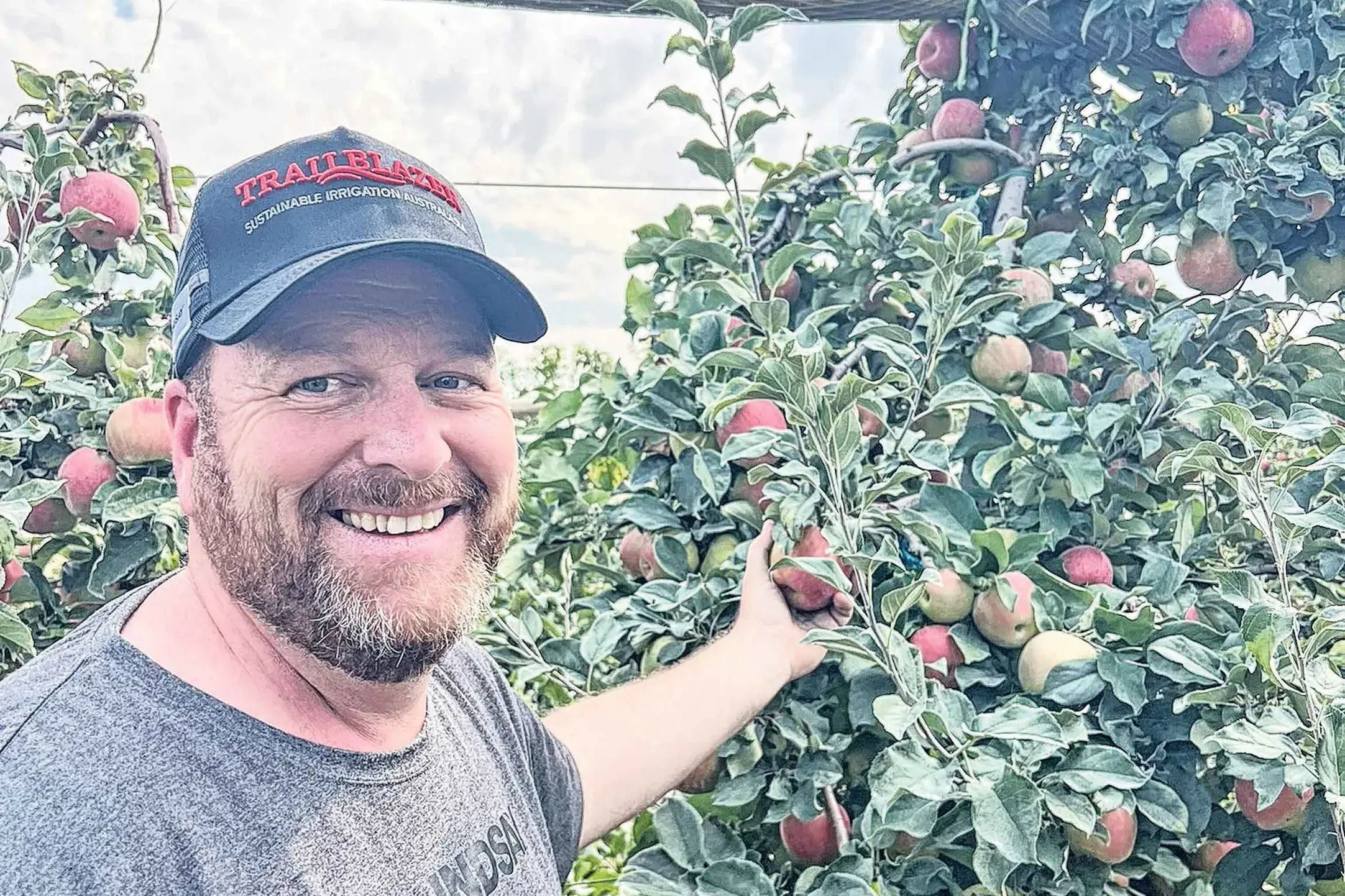
Narromine resident James Craft was one of four Australians among the participants in the 2025 Trailblazer Sustainable Irrigation Tour through the Pacific Northwest of the United States last September.
The tour was part of the annual Zimmatic Trailblazer Sustainable Irrigation Awards, which recognise excellence in water management, innovation, and environmental stewardship. It provided a unique opportunity to explore global perspectives on water, agriculture, and environmental management, showcasing advancements in irrigation infrastructure whilst also broadening participants’ knowledge of technology, policy, and sustainable farming practices.
The group visited large-scale family farming operations, irrigation districts and leading infrastructure sites. They also got a first-hand look at how water reliability, community backing and long-term planning are treated as essential foundations of agricultural success in the USA.
A key take-away from the tour was that Australian irrigators are among the best in the world, but they face much more significant challenges in access to reliable water supplies than their US counterparts.
The tour group included growers, industry professionals and individuals working in environmental or water policy and governance in Australia and New Zealand who saw that in the US, reliable water is treated as essential national infrastructure and that certainty of supply gives growers confidence to plan, innovate and reinvest.
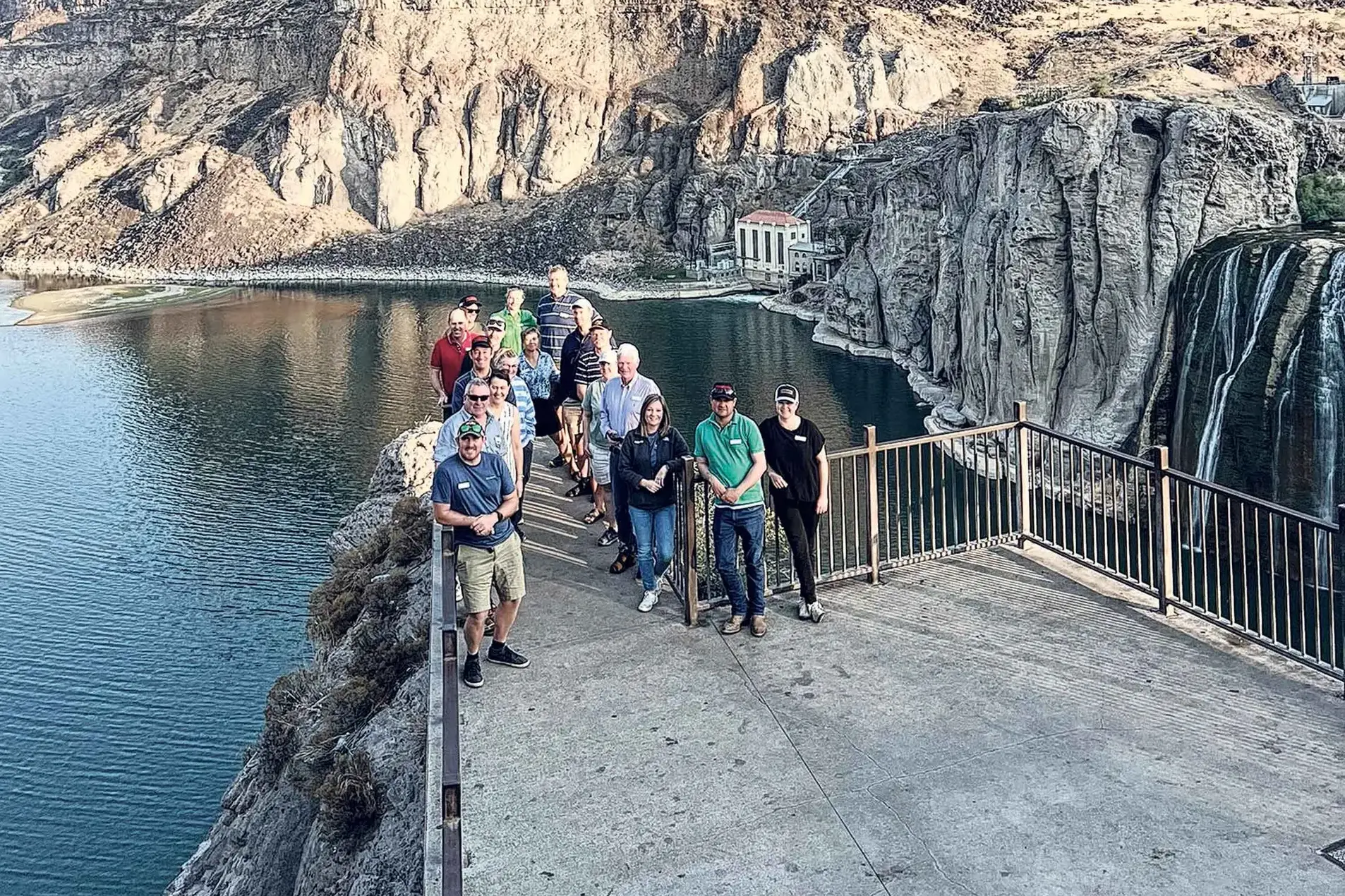
As well as James Craft from Narromine, the other Australians included David Downie from northern Tasmania, Craig Rich from Ozenkadnook, Victoria, and Ben Coulton from North Star, NSW.
James, an Zimmatic ag-tech sales specialist for Australia and New Zealand, said the innovative US tour had opened his eyes, especially to the scale and vertical integration of many farm operations.
“For instance, businesses like Royal Ranch in Washington State, where the family-run operation manages thousands of acres and produce tonnes of potatoes, apples, cherries, peas, sweet corn, asparagus, alfalfa, wheat, triticale, honey, prime beef and dairy goods each year,” he explained.
“It was heartening on our tour to see that Australian and New Zealand irrigators more than hold their own in terms of sustainability and irrigation innovation,” he added.
“Whilst there are differences in the water supply environment, we did see the value of secure long term water supply arrangements. This security of water supply is essential if farmers are to invest in the cutting edge technology that delivers sustainability and production outcomes.”
The experience reinforced James’ view that Australian and New Zealand irrigators are world leaders in water use efficiency, operating as they do in a water-scarce environment.
“By necessity, our farmers are adept at producing as much as possible from limited resources and ensuring that these natural assets are maintained for future generations,” James concluded.