
PHOTO
Most Australians know about the devastating loss to the number and variety of animal species on our isolated continent from decades of European settlement; but what of our plants?
This is one of the major environmental issues under the spotlight of a soon-to-be launched “Living Collections Plan” developed by some of Australia’s top botanic gardens professionals for the Burrendong Botanic Garden and Arboretum (BBGA) group.
The Plan is essentially a “roadmap” designed to highlight essential flora species to be collected, protected, developed, and nurtured on and around the dam’s foreshore at the irreplaceable state park near Wellington.
While plants may not tug at the heart-strings and emotions quite like many of our unique, cute, and cuddly marsupials and monotremes, they are just as important to our natural world, BBGA Project Manager , Rachel Mac Smith told Dubbo Photo News.
“That’s 100 per cent correct; a lot of the loss of our fauna (animal species), is actually because of habitat loss; therefore protecting and caring for our native plants, is absolutely critical to our overall conservation efforts,” Ms Mac Smith explained.
“Given a total of 68.5 per cent of Australia’s threatened species are plants, we’re putting conservation at the forefront of this living collections plan,” she added.
The Plan also reflects the unique preservation and protective role that a botanic garden plays in maintaining a living record the natural sciences.
“A botanic garden is similar to a museum or a gallery ; we also have collections similar to museums or galleries but, while theirs are inanimate objects, ours are living plants. Our plants and grasses are curated the same way as a gallery collection,” Ms Mac Smith revealed.
The Plan, to be launched in mid-February, sets-out what specific Collections are most important for BBGA to focus on.
“It identifies what plants you are going to focus on collecting, curating and displaying; a ‘Living Collection’ refers to a group of plant species that are curated or managed for specific purposes.
“One of the purposes may be for display or ornamental purposes; or may have a conservation or scientific purpose; or may have a social or well-being purpose — there are a number of different purposes they may be collected for,” Ms Mac Smith said.
It is, she said essentially, “a roadmap” for: “what you’re trying to achieve, where you want to go, and how you are going to get there”.
The plan, she emphasised, was achieved with help from a lot of friends of BBGA.
“We were very fortunate with sponsorship from the renewable energy company, ACEN Australia to help fund undertaking of this plan; it’s taken since March 2025 to our launch this year to complete, so it was big job.
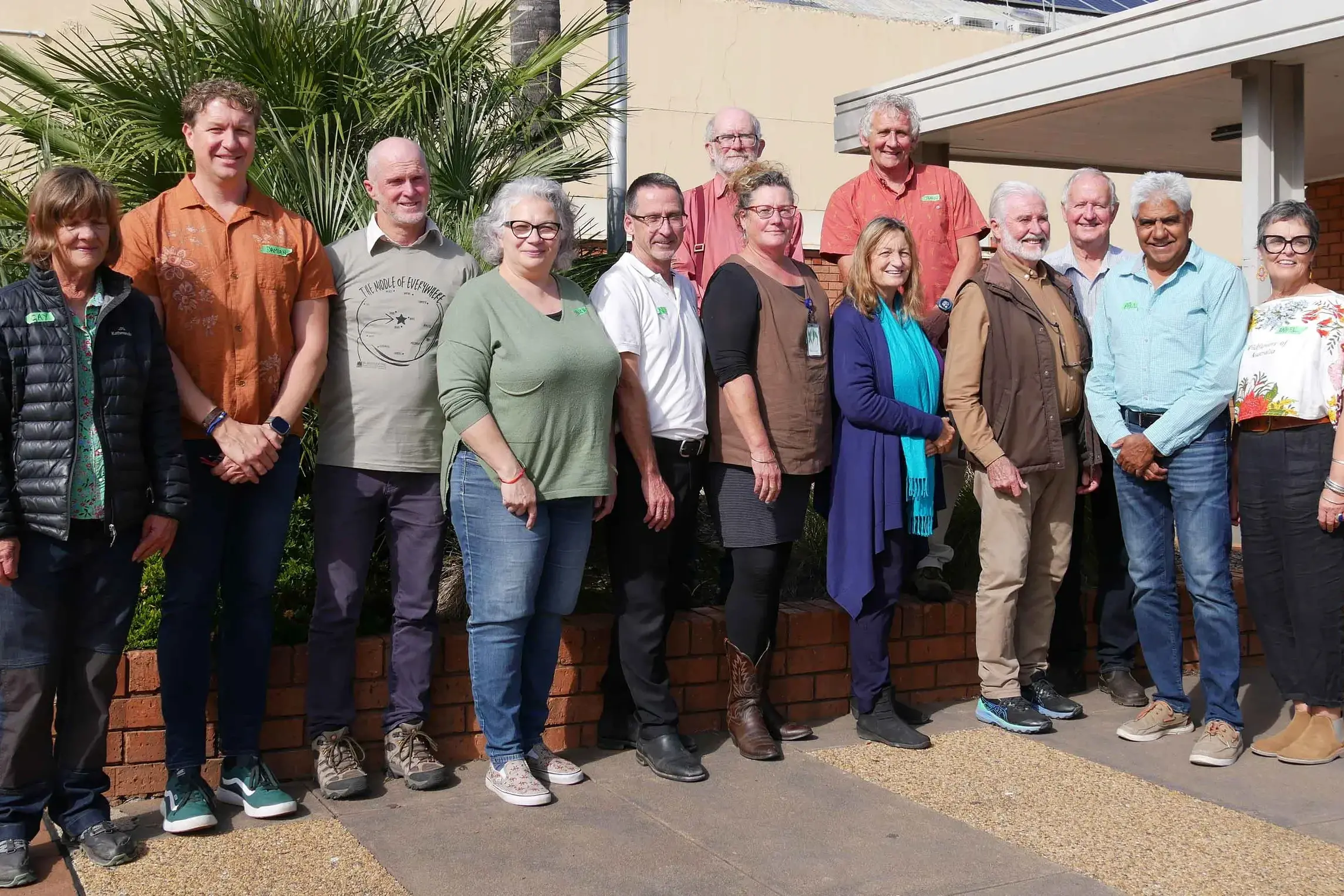
“We were really lucky to also get the services of a number of Australia’s best horticulturists, researchers, and botanical scientists,” Ms Mac Smith enthused.
These luminaries included John Arnott, horticulturist formerly Royal Botanic Gardens, Victoria; Living Collections and Conservation head at Sydney Botanic Gardens, Damian Wrigley; the curator of the National Seedbank at the Australian National Botanic Gardens, Tom North; Dr Jo Green from the Australian Plant Society NSW, and horticulturists and curators from other botanic gardens including Wollongong, Orange, and Dubbo.
“The Plan also prioritises recognising the Traditional Owners of the land with a Wiradjuri Collection, the plants of our region, and the incredible legacy of our founder George Althofer through a Prostanthera Collection.
“The launch is the culmination of many months of serious work by some of the very best people in this field, we’re very excited” she concluded.