
PHOTO
Fuel transport companies are backing a push for urban rationing to reserve supply for the regions amid calls for urgent roundtable negotiations.
Up to 762 million litres of petrol and diesel from emergency reserves will be released to address shortfalls beyond Australia's cities, the federal government said on Friday.
NSW will convene an urgent roundtable to address concerns over the impact of the US-Israel-Iran conflict, as its premier urges restraint at the bowsers.
Representatives from transport and logistics, fuel, agriculture, local councils, mining, unions and consumer protection groups will meet with government officials on Monday.
"Global events are putting pressure on fuel markets around the world and we are making sure NSW is prepared as we can be and well co-ordinated if those pressures continue," Premier Chris Minns said.
"We're bringing together industry, stakeholders and government agencies so everyone is sharing information and ready to respond.
"I appreciate this is a stressful time for everyone but it's important people don't buy more fuel at the bowser than they need."
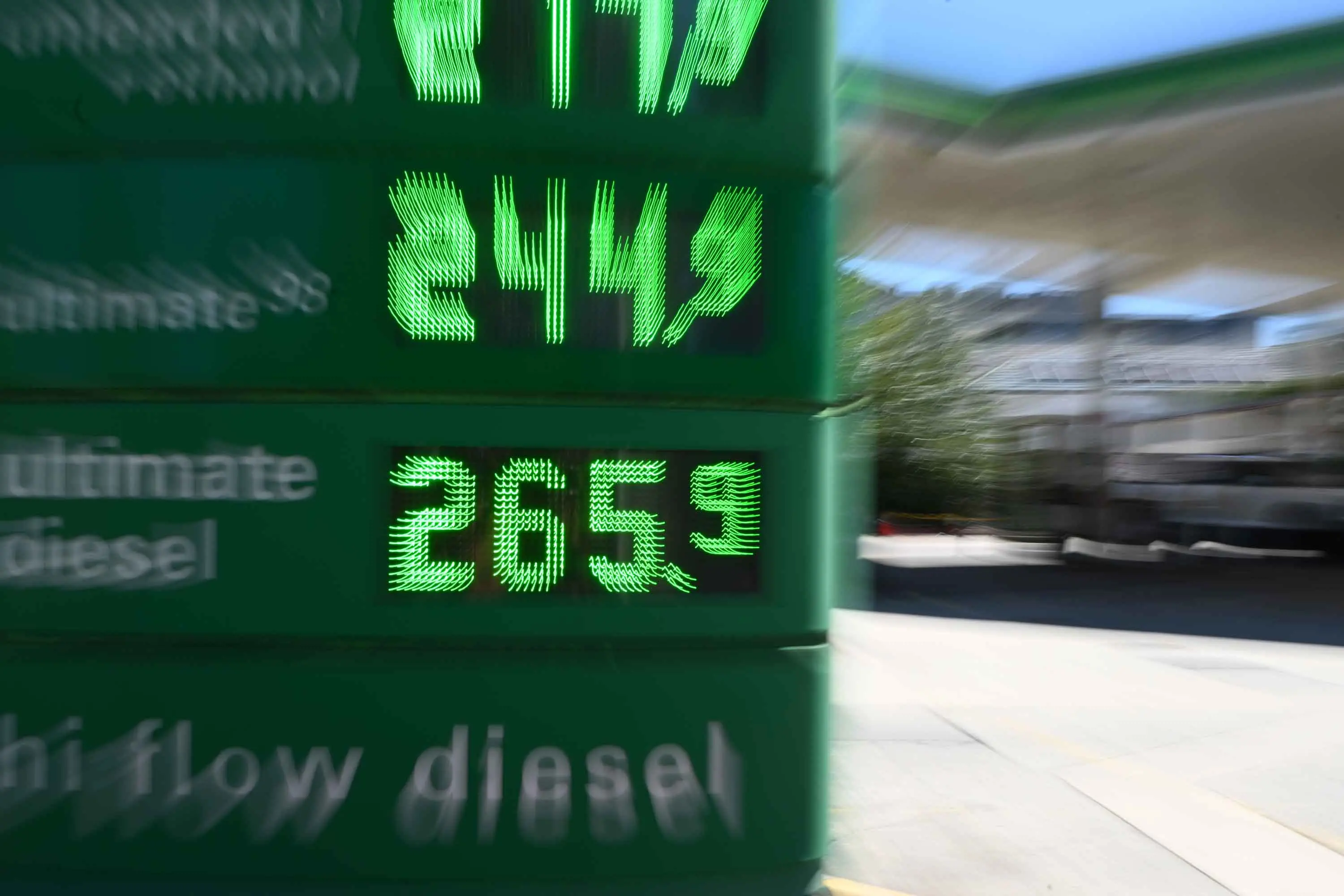
Iran has closed one of the world's busiest oil corridors – the Strait of Hormuz – in response to the US-led war launched against it, causing a global shortage that has led fuel prices to skyrocket.
Fuel should have already been reserved for the regions, according to Westlink Petroleum managing director Danny Kreutzer whose Queensland-based company services 500 businesses.
"We've got a lot of angry customers that want their fuel," he told AAP.
"A lot of them have been pretty good to deal with and understand the situation we're in.
"Every other fuel distributor in the country, we're all the same. It's really impacted our business because we just can't get the volume we require on a normal day."
One Nation MP Barnaby Joyce has raised the prospect of city rationing to help address the issue.
"It is a crisis," he told ABC Radio on Friday.
Mr Joyce said trucks had to be kept moving to ensure food remained on supermarket shelves and other vital services maintained.
Mr Kreutzer said conflict in the Middle East had made the situation so volatile oil companies and wholesalers didn't know what to charge his business because they "don't know whether they're making money or losing money".
The consumer watchdog has told fuel retailers to respond to claims they dramatically hiked petrol and diesel prices soon after war broke out.
Energy Minister Chris Bowen has repeatedly assured federal parliament Australia has enough fuel.
He says panic-buying motorists are behind supply issues and soaring prices.
Mr Bowen and motoring associations are pleading with people to stop stockpiling fuel, labelling profiteering behaviour "un-Australian".
As the crisis deepens, penalties for false or misleading conduct and cartel behaviour have been doubled to a maximum of $100 million per offence as the ACCC ramps up monitoring.
Australia has relaxed quality standards for the next 60 days in a bid to boost the domestic market.
The minister rejected Mr Joyce's proposal to ration fuel in metropolitan areas.
Opposition energy spokesman Dan Tehan has accused Mr Bowen of deploying ad-hoc measures in response to the supply and price crunch.