
PHOTO
Bus Safety Week has put the spotlight on driving and interacting safely around the state’s buses, with Transport for NSW (TFNSW) recently revealing 45 fatalities have occurred from bus crashes in NSW since 2021.
Twelve drivers of other vehicles, 10 pedestrians, and four motorcyclists died as a result of crashes with buses, including mini-buses, according to the department.
TFNSW released disturbing footage showing a range of concerning behaviour around buses, including an electric scooter ridden in front of a bus; passengers severely jolted during a sudden stop when a car failed to give way to a bus; and a young child running into the path of a bus.
“Buses are large, heavy vehicles and can’t stop quickly, so all road users need to give them space," said TFNSW Coordinator-General Howard Collins during Bus Safety Week which took place from February 23 to March 1.
“Do not cut in front of or tailgate a bus and take extra care when travelling in a bus’s blind spot, as the driver may not be able to see you,” he added.
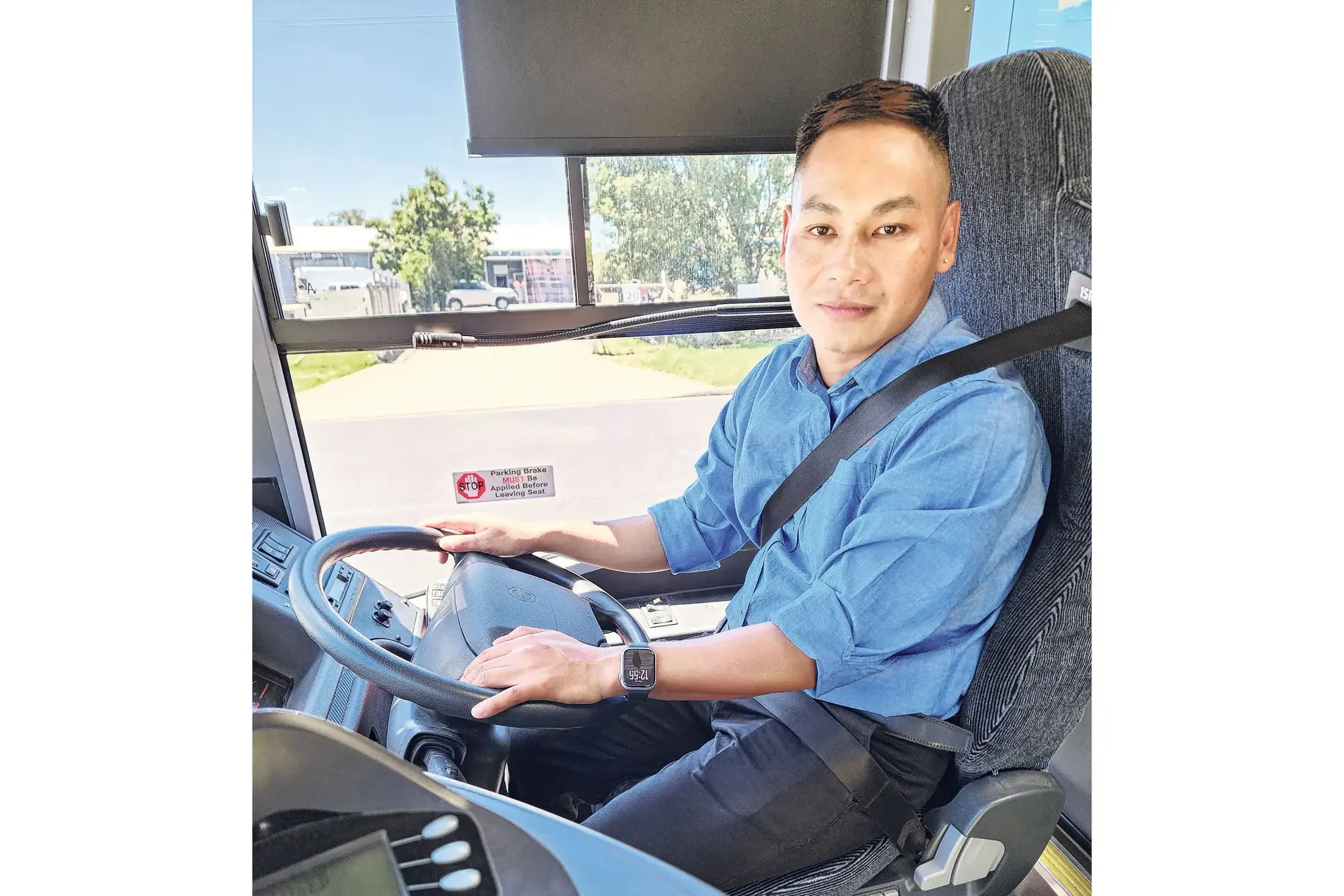
Dubbo Photo News spoke to Matthew Cunneen, Operations Coordinator with Buslines Group which operates a network of bus services and school transport services in 12 regional NSW communities, including Dubbo.
“Bus Safety Week is an educational tool for everyone who interacts with buses, whether it's pedestrians, passengers, other road users or our drivers themselves,” Matthew said.
“The messaging we have on our buses, on our website, on our social media, will speak to how everybody can keep themselves safe in and around buses,” he added.
Being aware of buses and their movements is very important, Matthew said.
“Be aware of buses in built-up locations or anywhere where there's a lot of heavy vehicle movement. In Dubbo, for example, it'll be around Macquarie St and Orana Mall – lots of bus movements there. Don't run in front of buses and be aware of your surroundings.”
Giving way to buses as they pull out of bus stops is a courtesy not every motorist observes, and some people are not aware that lights will flash on school buses when they stop to pick up and drop off children, requiring motorists to slow to 40km/hr.
On its website, Buslines Group reminds motorists about the importance of driving safely in rural and regional areas where school buses transport students from outlying properties.
“There are many informal school bus stops that do not have signs or infrastructure, such as a bus shelter,” the website says.
“Slow down to 40km/hr when school bus lights flash, look out for children crossing the road, and be aware that a stationary bus can impede view of children around buses.”
Howard Collins added a few more tips for awareness on and around buses.
“If you're older, have a disability or are pregnant, try to sit closer to the front of the bus or in a courtesy seat and use the front doors, which can be lowered closer to the kerb,” he added.
“When out walking, stay alert. Cross the road at a safe place – such as a pedestrian crossing or traffic lights, or somewhere with a good line of sight to see approaching traffic and so they can see you – and never step out in front of a bus,” he concluded.