
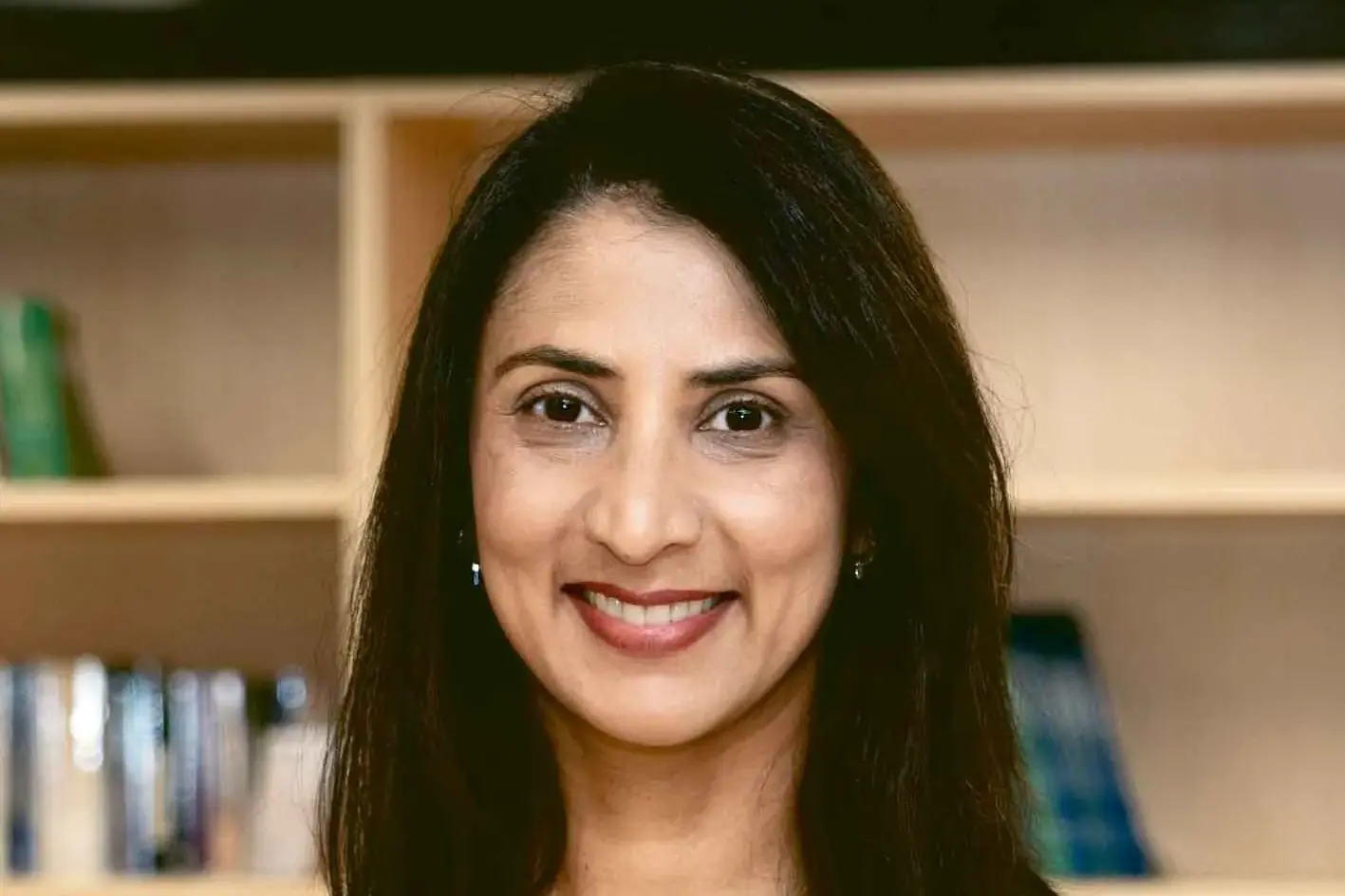
PHOTO
New research published in The Economic and Labour Relations Review, a University of NSW-based journal, found there’s still much more to do to improve today’s working conditions for women across the world.
The collection offers what guest editors – Dr Yuvisthi Naidoo from the Social Policy Research Centre, UNSW Sydney, and Honorary Associate Professor Anne Junor from the School of Business, UNSW Canberra – describe as a ‘necessary stocktake’ of how paid and unpaid work continues to both enable and limit women’s safety, wellbeing and economic power.
“Overall, this collection addresses emerging and enduring issues with which women are grappling in their daily lives,” Dr Naidoo says.
“We haven't really achieved the gender equality we had hoped for.
“So, we must ask honestly how much progress has been made on gender equality in paid and unpaid work and then recognise where we’ve failed to reach the milestones we expected.”
The rapid change in the global labour market – from the rise of artificial intelligence (AI), to worsening climate impacts, to the rollback of diversity and inclusion policies in the United States – are forces exposing how fragile the gains made in workplace gender equality are, especially as neoliberal policies dilute empowerment and equality agendas, the guest editors said.
“They expose who bears risk, who absorbs unpaid labour – and whose work is treated as marginal until it collapses entirely,” Dr Junor added.
The research doesn’t frame women as passive victims but suggests work be reorganised to support prevention rather than perpetual recovery.
It also examines the effects of technological change – particularly the rapid uptake of AI, which the research suggests will displace or devalue work performed by women unless gender equity is deliberately built into how the technology is designed and governed.
According to the 2025 gender snapshot for the United Nations Sustainable Development Goals, 27.6 per cent of women’s employment, compared with 21.1 per cent of men’s, is exposed to job loss through generative AI, Dr Junor said.
The research also highlights gendered violence – which includes rape, genocide and domestic violence – as a persistent barrier to workforce participation.
An Australian study in the issue found the introduction of universal paid family and domestic violence leave delivers net benefits to employers as well as workers. The editors believe this is a rare example of policy aligning with evidence.
“Gendered violence directly affects women’s capacity to work, to stay healthy and to support their families,” Dr Naidoo said.
“Recognising that in workplace policy is not optional, it’s foundational.”
The collection situates these findings within a broader political context, including the recent dismantling of diversity, equity and inclusion frameworks by the current US administration. The guest editors warn the sudden withdrawal of institutional support for gender equality in one of the world’s largest economies will have global consequences for safety, opportunity and voice – particularly for women and LGBTQI+ workers.
They emphasise that now, more than ever, the research and normative role of the United Nations is crucial.
The journal’s Editor in Chief, Dr Diana Kelly, an Honorary Principal Fellow in the School of Humanities and Social Inquiry, University of Wollongong and a Senior Visiting Fellow at the School of Business, UNSW Canberra, says the collection represents an important contribution at a critical moment for gender equality.
“The global diversity of articles in the themed collection shows that gains can be rolled back very quickly,” she said, indicating lthough the journal is based at UNSW, the global scope reflects the international nature of both the labour market and the challenges facing women at work.
“This wasn’t about producing an Australian-only conversation,” Dr Kelly said.
“The issues we’re dealing with don’t stop at borders. The conditions shaping women’s work are global – but so are the lessons,” she concluded.