
PHOTO
For Salma Musawa, Australia provided the freedom for the French-born and raised young Moroccan Muslim woman to freely observe her religious beliefs and wear a hijab in public.
In secular France, she had grown up in a society where Muslim women and girls have been prohibited from wearing religious facecoverings, hijabs and similar attire in public since 2004. The ban has extended to schools, in sport, and in workplaces.
Moving to Australia changed all that, according to the young woman, one of two guest speakers at last weekend’s inaugural World Hijab Day celebrations in Dubbo.
“For me, I was so surprised,” she told those gathered, revealing her fear attending a job interview, worried to reveal she wore a hijab only to find no resistance or issues here in Australia.
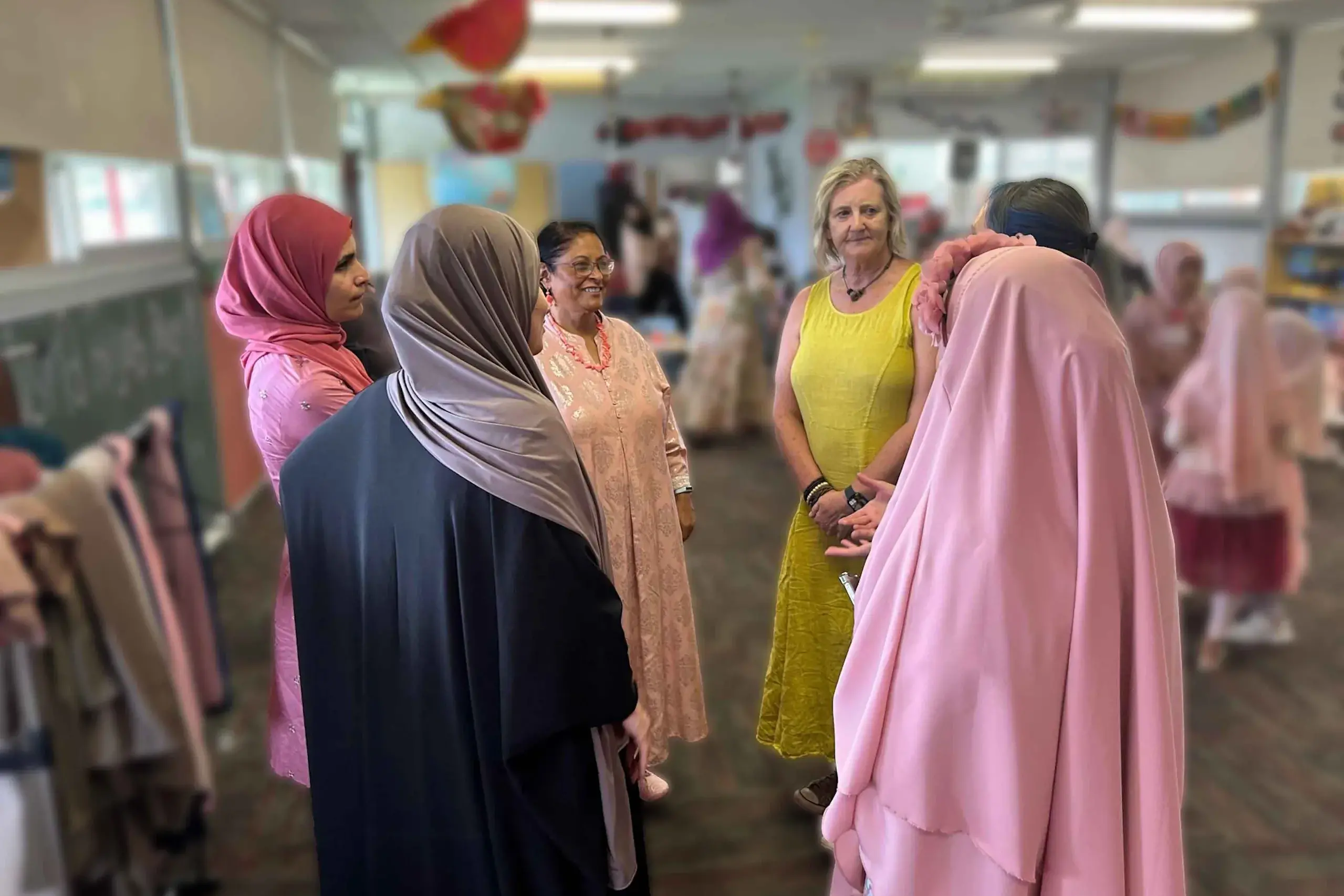
Organised by Sisters Halaqah Dubbo, the Saturday, February 7, event honoured the annual tradition worldwide to observe World Hijab Day (February 1) and welcomed women and girls of all ages and faiths to the Buninyong School as Community Centre for a female-only event designed to dispel myths and promote awareness of why Muslim women choose to don hijabs in public.
The term “hijab” is derived from the Arabic “hajaba”, meaning to “conceal or cover”. Muslim females generally wear a hijab from puberty when out in public - a loose flowing scarf that covers the head, neck, and chest area - supported by the teachings of the Holy Quran.
But as Dubbo Photo News discovered at the event, when and how and Muslim women and girls don hijabs and other forms of body coverings is very much a personal choice and can be achieved in stages.
“The hijab is something mandatory for Muslim people, we are proud of it, and we are happy,” Salma said, acknowledging that in some parts of the world women do not have the same choices as here in adopting the garments.
Dr Shahi Tarana also spoke at the event, and said there are often many questions non-Muslims have about the hijab.
She drew specific references from the Holy Quran about the command of Allah for women to wear the hijab as a form of protection, respect and religious obedience, and said that it does not have to be worn in the presence of close male relatives in the family home.
Attendees at the event enjoyed talking with each other, viewing a display of clothing and colourful hijabs, explaining to those unfamiliar how to secure hijabs in place, and about situations where the garment would generally be worn.
Young children enjoyed craft activities and played during the event, which was followed by refreshments and further discussion.
Event spokesperson Sister Ayesha Mariam said the organisers were thrilled with the turnout and hope to organise another female-only event for World Hijab Day next year.