
PHOTO
Rural doctors have received an early Christmas boost, with the announcement of new Medicare recognition for ECG interpretation and extending funding for key rural workforce programs.
From March 1, 2026, a new Medicare ECG item will recognise the work of rural GPs and Rural Generalists who routinely interpret electrocardiograms to commence urgent treatment, often without immediate access to a cardiologist.
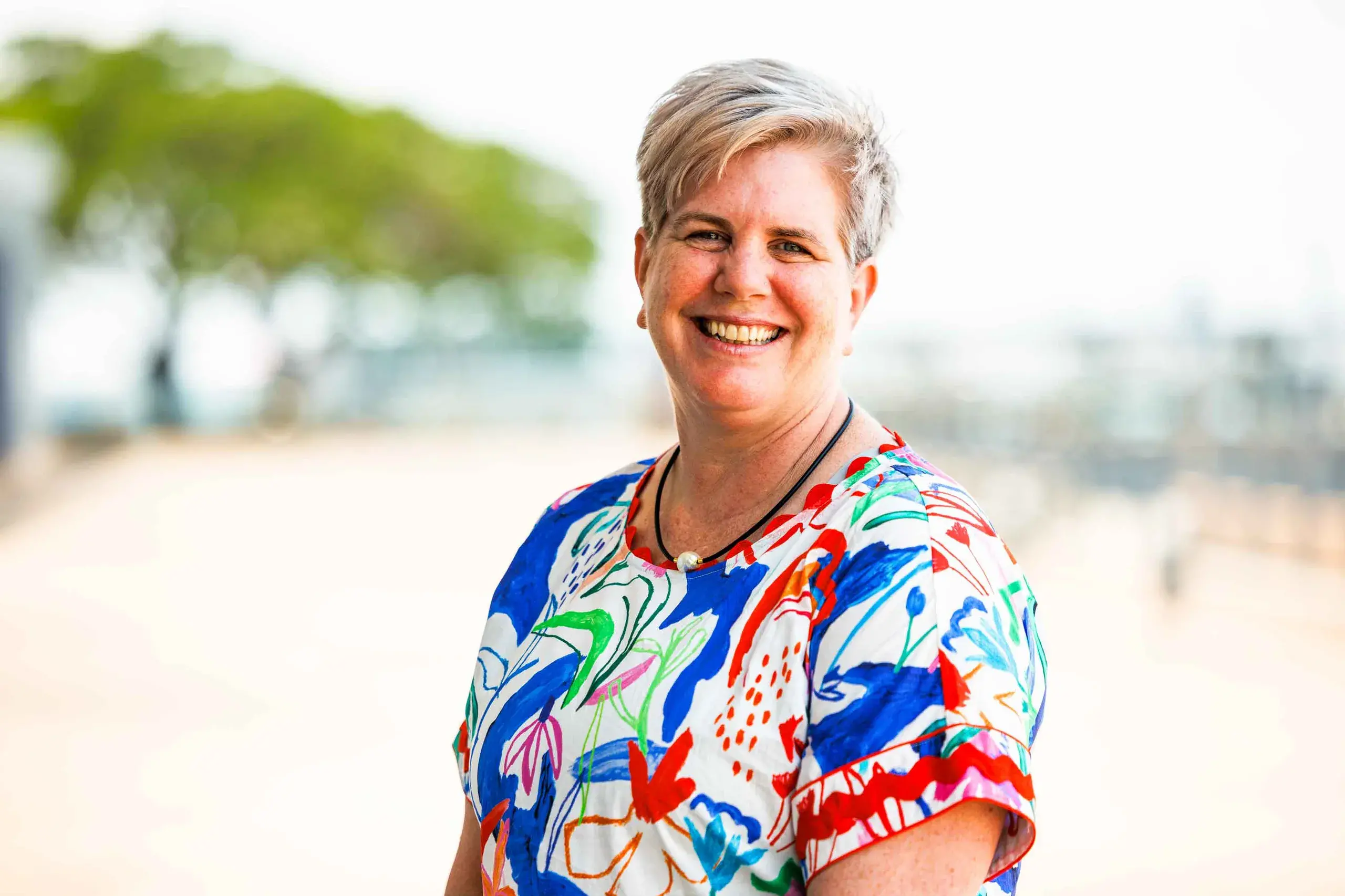
Rural Doctors Association of Australia (RDAA) president Dr Sarah Chalmers said the change reflected the realities of rural and remote practice.
“In rural communities, GPs and Rural Generalists are frequently required to interpret ECGs and make immediate clinical decisions – not simply wait for a cardiologist, who may not be available on site or even via telehealth,” Dr Chalmers said.
“This new item provides fairer recognition for the skills rural doctors already use every day to improve patient outcomes, and it directly reflects long-standing advocacy by RDAA.”
The announcements are included in the federal government's Mid-Year Economic and Fiscal Outlook (MYEFO), an annual report which includes new policy decisions since the main Budget.
The MYEFO also allocated $73.4 million to extend funding for seven critical programs supporting rural and remote doctors, including extensions to Workforce Incentive Program – Rural Advanced Skills (WIP-RAS) streams.
Dr Chalmers said the extension of WIP-RAS funding, previously due to end in June 2026, would provide much-needed certainty.
“The extension to December 31, 2026, provides much-needed certainty in the short term,” she said.
A further $87.9 million over four years from 2025-26 will support broader health workforce initiatives, including GP training places, rural locum support and obstetrics training.
However, Dr Chalmers noted much of the funding involved reallocated resources and said outcomes would be closely monitored.
“The MBS underpins Australia’s health system,” she said. “Once Rural Generalist items are properly embedded there, we can be confident we’re building a sustainable future for rural and remote healthcare.”