
PHOTO
Narromine continues to attract high-flying activities to its local aerodrome, cementing the community’s status as a premier location for aviation events and training.
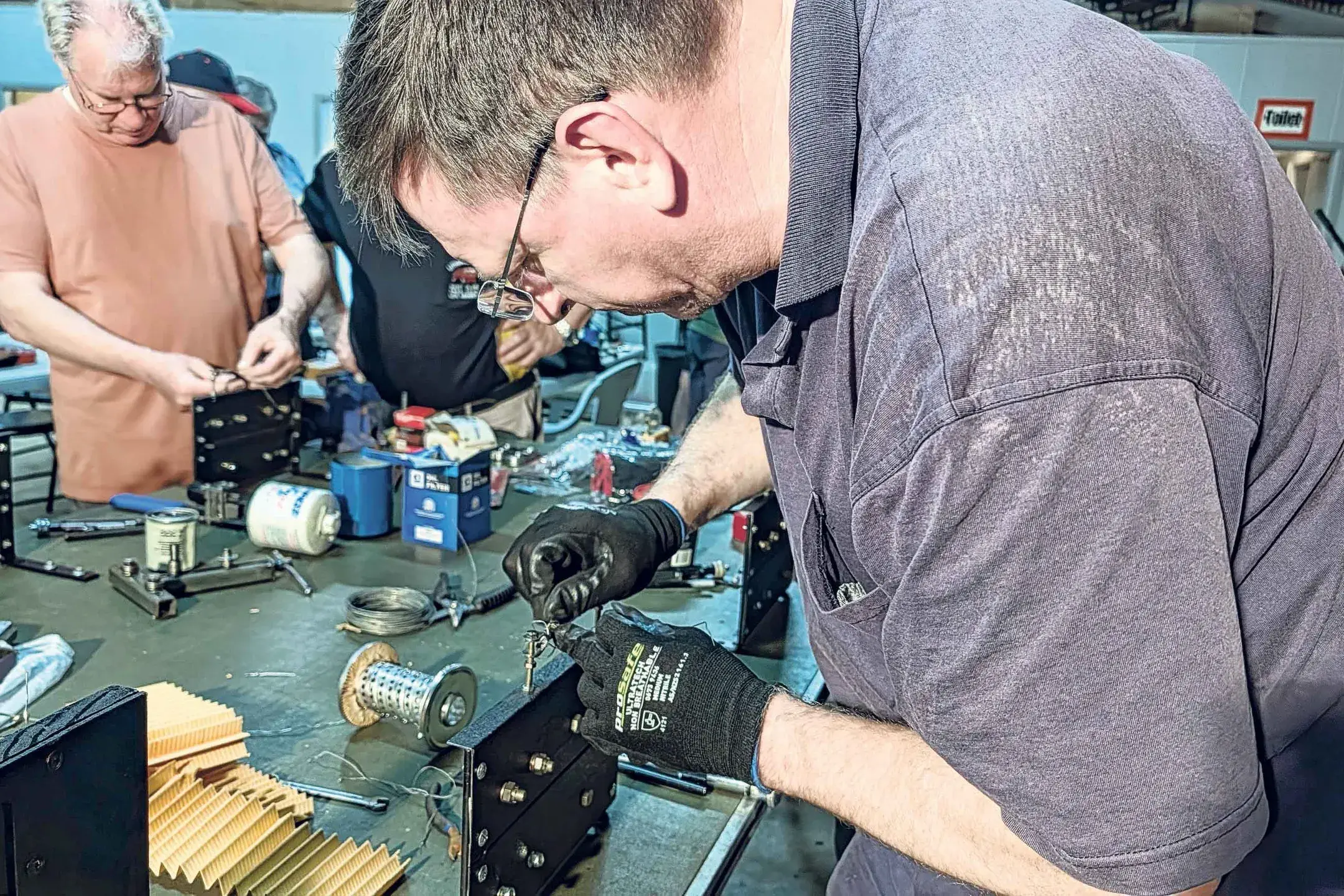
Earlier this month, officials from the prestigious Sport Aircraft Association of Australia (SAAA) were in Narromine to deliver specialist training to a group of 11 participants, four of whom are aviation trainers who will eventually conduct maintenance training courses for people with experimental amateur-built (EAB) aircraft that they did not build themselves.
In the future, after the Civil Aviation Safety Authority (CASA) completes and issues the instrument that will apply to this area, EAB owners who complete the SAAA training with accredited trainers will be able to carry out maintenance on their own aircraft.
This “maintenance pathway” is an important development in the industry as EAB owners currently must engage Licensed Aircraft Maintenance Engineers (LAMEs) to maintain their aircraft, which is costly, time consuming, and often delayed due to sheer demand and the existing shortage of LAMEs in Australia.
Dubbo Photo News spoke to SAAA spokesperson Elaine Bradley, who was part of the team in Narromine delivering the training course the organisation has developed in response to industry demand and with the support of CASA.
The 11 participants who undertook the training earlier this month completed a two-day classroom course and three days of hands-on maintenance training covering various competencies including changing spark plugs, using torque wrenches and using lock wiring.
“We have been working with CASA to develop this course so that if you own an aircraft that you did not build, under the new instrument which is currently being written - it's not in place at the moment - you will be able to maintain your aircraft in accordance with the instrument that CASA will issue,” Elaine explained.
Enabling EAB owners to learn how to maintain their own aircraft in the future is a game-changer, Elaine said.
“[Using a LAME] is like when we take our cars to the mechanics for services and repairs. If it's got a certain transmission, you have to wait however long for it to be done,” she added.
“For people to be able to just do a quick oil change, or if it's something simple on their aircraft that they've had the training to maintain, and they understand how their aircraft operates, for them to be able to maintain it and keep themselves air worthy and, most importantly, safe, then it's a big deal. It's a game changer.”
EABs are required to have annual inspections or 100-hour inspections, Elaine said. When an aircraft comes up for one of these inspections, pilots are not supposed to fly them until the inspections and maintenance have been completed.
The SAAA has been working hard to develop the EAB maintenance training in anticipation of the yet-to-be-issued instrument. It will cross-check the training program with the new instrument when it has been completed and issued by CASA, before delivering it.
“Once CASA has finalised that instrument, ready for issuance, and we receive confirmation of what that instrument looks like, and audit all details, then we'll be able to roll it out to the aviation community,” Elaine added.
An SAAA statement on social media on February 2 about the impending CASA instrument has been met with significant buzz from within the industry, with people keen to undertake the training.
It’s also good news for Narromine, with the SAAA looking to run future EAB maintenance courses from the local aerodrome which is considered a good central east-coast location for pilots to get to, Elaine said. The support of the local aero club, gliding club and Narromine Shire Council has been instrumental in the SAAA working to establish a base locally.
For further information on the proposed course and future roll-out, contact the SAAA.