
PHOTO
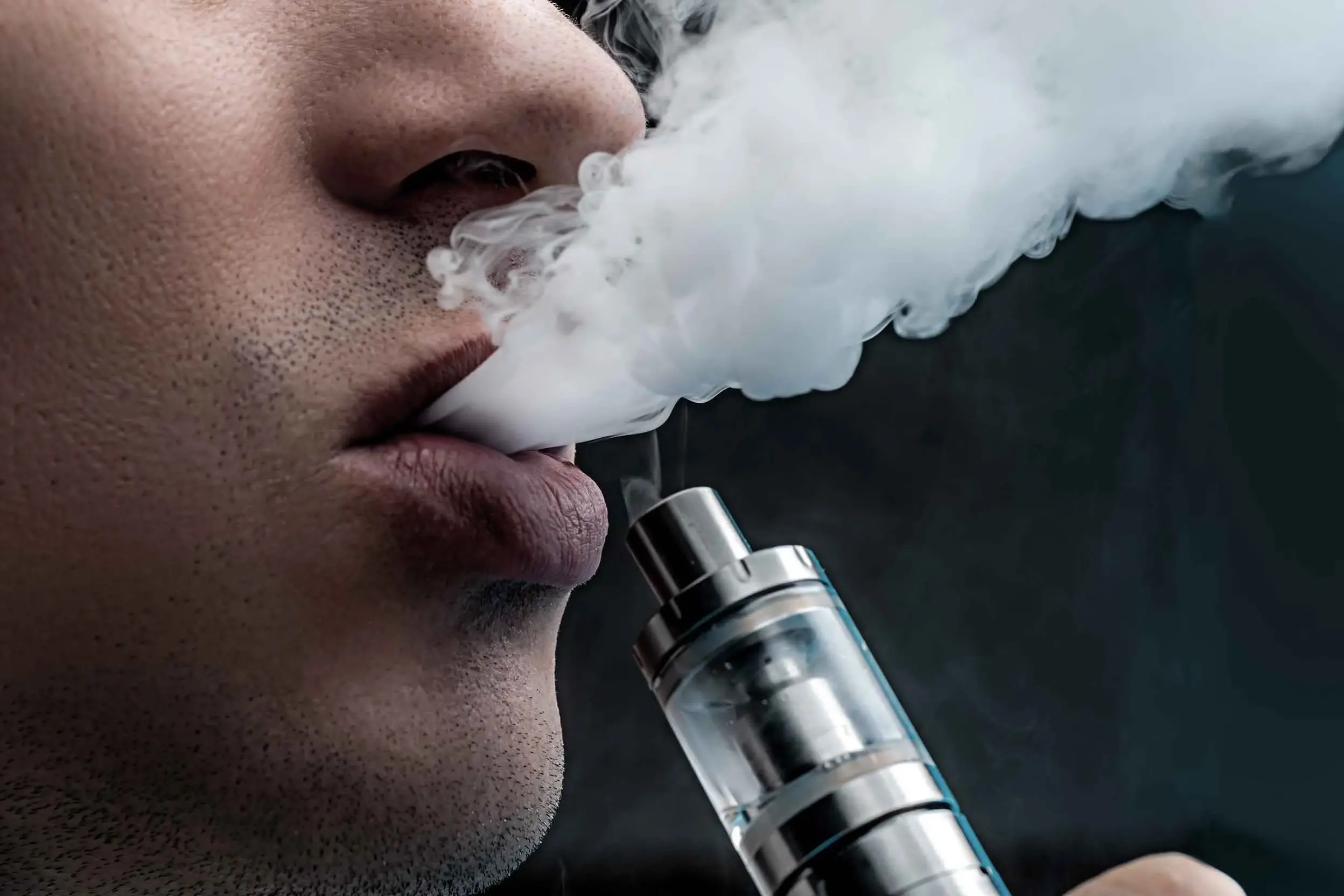
Nicotine addiction is taking hold of a new, vulnerable generation of Australians as research shows the crisis is unfolding quietly and in plain sight.
Twelve per cent of teenagers nationwide use at least one nicotine product, while 15 per cent are considering trying one.
Nearly half of parents of teen users are none the wiser, while three-in-four active teen users show signs of addiction.
The findings come from the Royal Children's Hospital National Child Health Poll which surveyed more than 2000 parents and 1400 children aged 12 to 17 across Australia.
Anthea Rhodes, the paediatrician who directed the poll, said the results were "highly concerning".
"We have a larger proportion than ever of teenagers showing signs of dependence," Dr Rhodes told AAP.
It was no mistake young people were turning to nicotine products either, she said, given vapes and pouches were marketed directly to younger consumers.
"Big tobacco knows it's a lifelong investment," Dr Rhodes said.
"If you can get teens hooked early, it's really likely they're going to be revisiting that nicotine habit lifelong."
Melbourne wellbeing advocate Lily Ford knows how easily addictions can form in adolescence.
Introduced to vaping as a teenager, what began as a seemingly harmless social habit gradually became a life-changing addiction.
"I thought I was just taking the party home with me, but soon it was part of my identity," the now 24-year-old told AAP.
"I couldn't leave the house without it."
The turning point came when she went for a short jog in her early 20s.
"I was wheezing and coughing up this banana-flavoured vape liquid I'd been inhaling all day," she said.
"I remember thinking 'this is disgusting'."
Of all the poll's findings, Ms Ford was most distressed to learn so many kids were keeping their habits a secret from their parents.
"Doing this alone is really hard," she told AAP.
"Support, passion and curiosity from the people around you makes a massive difference."
E-cigarettes or vapes are the most popular types of nicotine products among teen users, while nicotine pouches are less-widely used but increasing in popularity.
Dr Rhodes said nicotine pouches were the "new kid on the block", but traditional cigarettes were making a comeback.
"Teens might look to add cigarettes to their pattern of use and then pouches or gummies that can even be used in the classroom," she said.
Royal Children's Hospital respiratory and sleep paediatrician Moya Vandeleur said nicotine could have immediate and serious effects on young people.
"Nicotine acts as a stimulant, which can disturb sleep, and worsen anxiety and mood, all things many young people are already struggling with," Dr Vandeleur said
She urged parents to raise the issue gently.
"If you see someone vaping in real life or on television, that can be a useful moment to check in," Dr Vandeleur said.
"A simple question like, 'Have you seen anyone using these products before?' can open up a conversation."