
PHOTO
A late Christmas present to Australians quietly dropped on January 1, with the federal government implementing its commitment to cut the Pharmaceutical Benefits Scheme (PBS) co-payment to $25 for non-concession card holders – the lowest price paid for prescription medicines since 2004 and only the second time in history that the price of medicine in Australia has been reduced.
The PBS is a government program that has been in operation in Australia since 1948. From its early beginnings with free medicines for pensioners and a list of 139 "life-saving and disease preventing" medicines free of charge for others in the community, the program now subsidises over 900 medicines.
The maximum co-payment – the out-of-pocket cost to consumers that is not funded by the government – has now dropped from $31.60 to $25 and is great news for all those currently not eligible for concessional pharmaceuticals. There is also no change to the concessional co-payment, which remains at $7.70 for those eligible to purchase for pharmaceuticals at concessional prices.
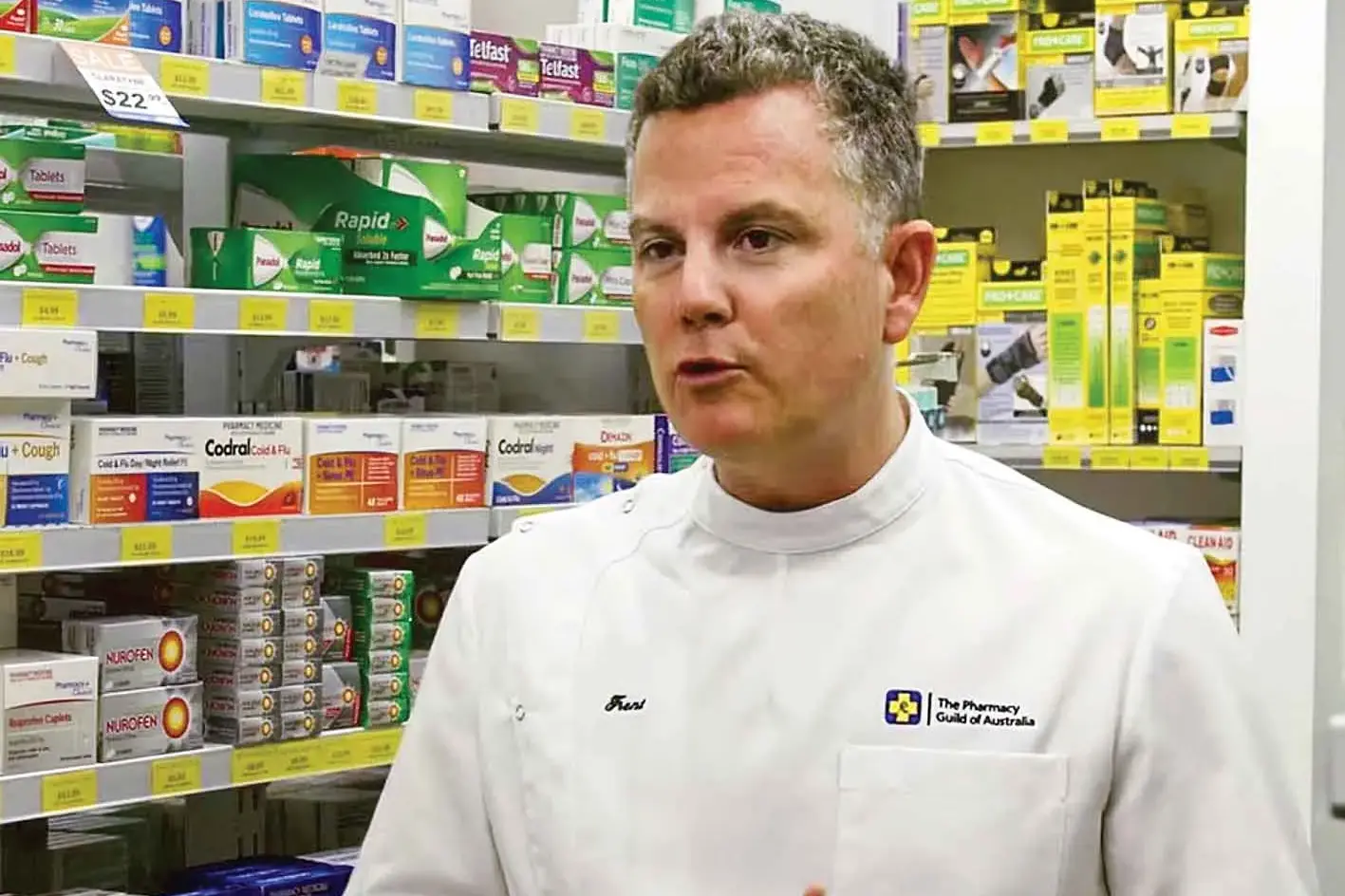
The Pharmacy Guild of Australia (PGA) says the price drop on the maximum co-payment will make a big difference to those in the community who are struggling. PGA national president Professor Trent Twomey said the change delivered big cost savings and would result in improved access to essential medicines.
“Every week, more than 400,000 prescriptions will now cost no more than $25. It makes medicine the most affordable it’s ever been," he said.
The Guild was joined by more than 20 health and community stakeholder groups in calling for PBS medicines to be made more affordable. The Australian Patients Association, Asthma Australia, Sexual and Reproductive Health Australia, QENDO, Australian Association for Adolescent Health, Wounds Australia, Parents and Citizens Queensland, Foodbank, the Pharmaceutical Society of Australia and Advanced Pharmacy Australia joined the PGA in the push for cheaper medicines.
The reform will make essential medicines more affordable for millions of Australians and strengthen primary care access nationwide. Research has shown more than one in five people without a concession card had skipped a prescription in the past three years because of cost. This rose to one in three in regional areas, the PGA said.
“Every day, community pharmacists see the tough choices Australians face – choosing between medicine, food, rent and other essentials. Patients often decide to reduce doses or skip their medicine," Professor Twomey said.
“When people say they can’t afford their medicines, you know the pressure is real. Cutting the PBS co-payment to $25 was the right call because it immediately lowers the barrier to essential treatment,” he added.
"[This] historic reform will encourage medicine adherence, prevent complications, and reduce pressure on GPs and emergency departments. Without these price reductions, the cost of a prescription would have been $50,” Professor Twomey concluded.