
PHOTO
Long ago in our colonial past, the nation of what is now Papua New Guinea, was a protectorate of Australia, a role granted by the League of Nations after the defeat of Germany in World War I (1914–1918).
Many readers may also not know that a number of locals — apart from the soldiers who served there during World War II fighting the Japanese — also worked for the colony’s administration as field officers knows as “Kiaps” (Captains).
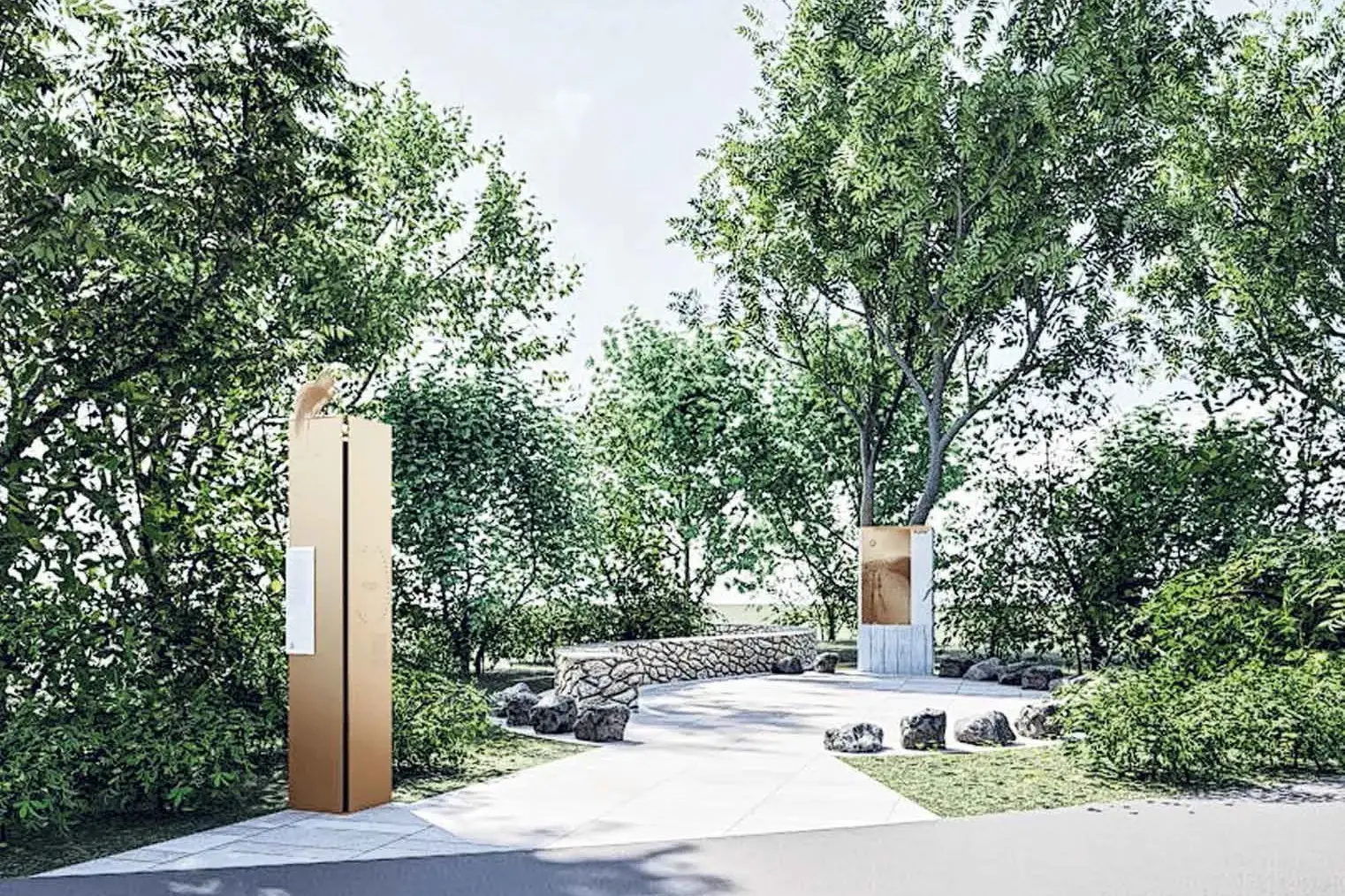
With an interest in this issue, local historian, Patrick Bourke, has been keeping a watching brief on plans for a Kiap memorial, to include locals who served in the role over the decades of Australian administration, to be built in Canberra.
As first step in this process was the their Prime Minster, James Marape, planting a Kiap Tree at Regatta Point on the shores of Lake Burley Griffin during his visit to Australia in February 2024.
“I have been able to identify Gregory Benham, Robert Cole, and James Sinclair from Dubbo High as kiaps who were in PNG,” Patrick recently told Dubbo Photo News.
Department of Foreign Affairs and Trade (DFAT) has approved the design for the new Kiaps Memorial to be installed in the gardens of the old Australian Parliament House with tenders to be soon called.
Unfortunately, this memorial will not have the names of kiaps who died in PNG during their service, as there's no definite list of these men.
Two of the locals who served in its wild jungle interior, were Gregory Benham DCS and Robert (Bob) Cole OBE MC who were both were patrol officers (kiaps) in PNG prior to the War.
“Benham was a Coastwatcher in the New Guinea Islands during the war,” Patrick said.
“He was captured and executed on the New Guinea island of New Ireland on September 1, 1942 and received the Distinguished Service Cross (DSC) for his selfless courage in what was a lonely and dangerous occupation.”
Cole was another local kiap who volunteered in the Australian Army during the War, awarded a Military Cross (MC) for going behind the Japanese enemy lines to gather military intelligence.
He survived the war and became the Commissioner of the PNG Police Force (1964-69). He received the Order of the British Empire (OBE) for his services to the PNG Police Force.
Another kiap officer originally from Dubbo, was James (Jim) Sinclair OBE; a patrol officer and district administrator.
“After retiring Jim wrote numerous books about PNG and received the OBE (Order of the British Empire) for his services to the PNG state and literature,” Patrick said.
“In 2008, he also received the CSM (Companion of the Order of the Star of Melanesia) for services to the community through contributions to the understanding of Papua New Guinea, its history, culture and heritage, and to district administration leading up to independence,” he concluded.