
PHOTO
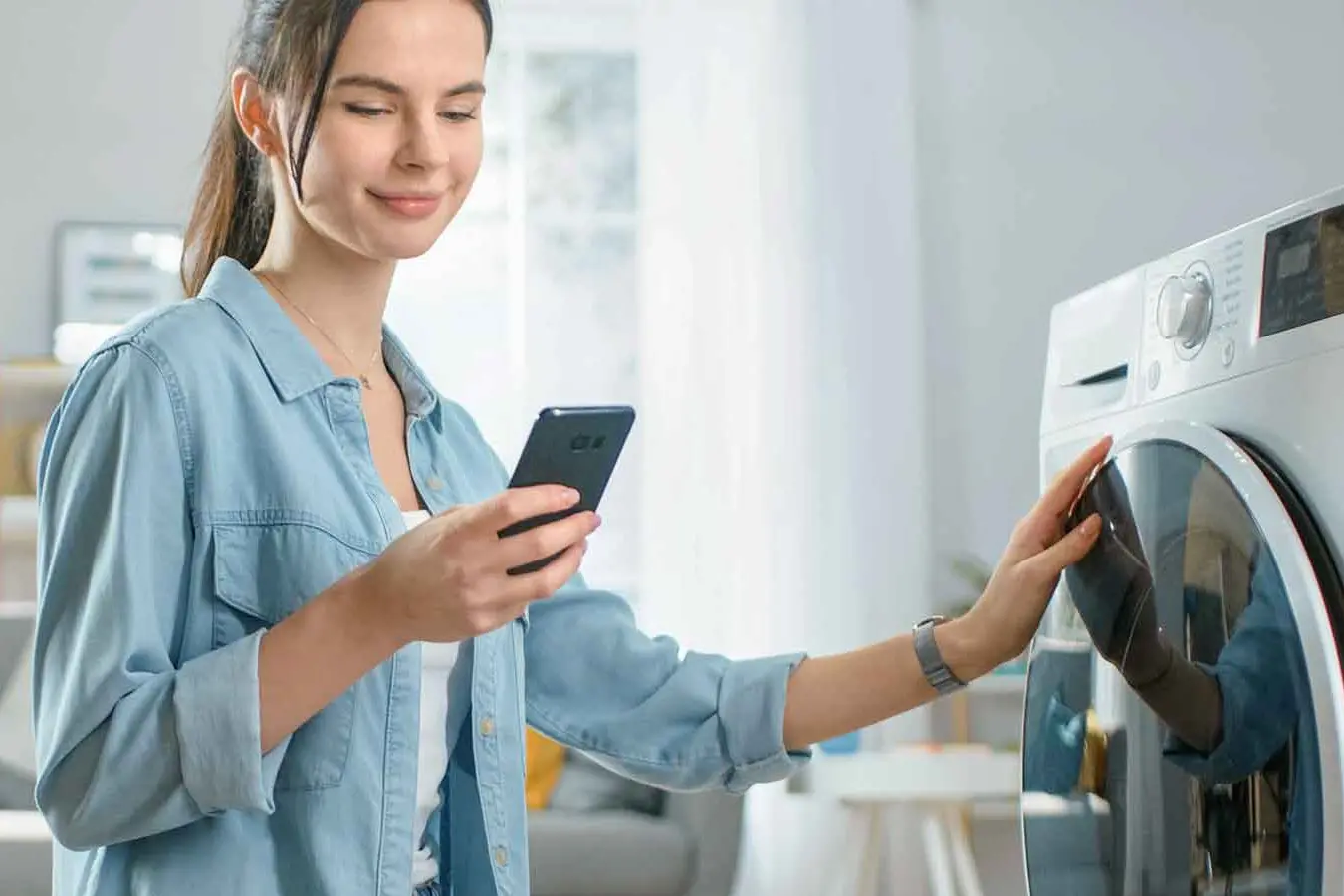
Connected household appliances are becoming increasingly common in Australian homes, allowing residents to control everyday devices remotely using smartphones and tablets.
The technology, often referred to as “smart home” or “connected appliance” systems, links appliances such as refrigerators, washing machines, ovens and air conditioners to the internet through home Wi-Fi networks. Once connected, users can manage these devices through dedicated mobile apps or smart home platforms.
With the growing reliance on smartphones, the appeal of controlling appliances from anywhere is obvious. For example, users can start a load of laundry before leaving work, receive notifications if a dishwasher detects a leak, or remotely switch off stove burners that may have been left on.
Many appliances also allow users to monitor maintenance needs. Homeowners can check the status of water or air filters, receive alerts when appliances require servicing and even track the contents of smart refrigerators that notify users when certain food items are nearing their expiry dates.
Industry experts say these devices are becoming more sophisticated as manufacturers incorporate artificial intelligence and automation features designed to make homes more efficient.
Some appliances can automatically adjust their temperature or operating cycle based on environmental conditions, helping to reduce energy use.
Energy efficiency is a major selling point. According to government energy-efficiency programs, modern smart appliances can help households monitor electricity consumption more closely and schedule usage during off-peak periods, potentially lowering energy bills.
Smart appliances can also integrate with broader home automation systems, allowing devices to communicate with each other. For instance, air conditioners can automatically adjust when a connected thermostat detects temperature changes, or lighting systems can turn off when a home security system is activated.
However, experts advise consumers to consider cybersecurity and compatibility before purchasing connected devices. Make sure apps are provided by highly reputable tech companies. The Australian Cyber Security Centre recommends ensuring appliances receive regular software updates and are connected to secure home networks.
With Australians continuing to adopt smart home technologies, connected appliances are expected to play an increasing role in improving convenience, safety and energy efficiency in modern households.